🌹 Courtly Love Series: The Portrait, The Pearls, The Power
Anne Boleyn's Tudor Instagram Soft Launch
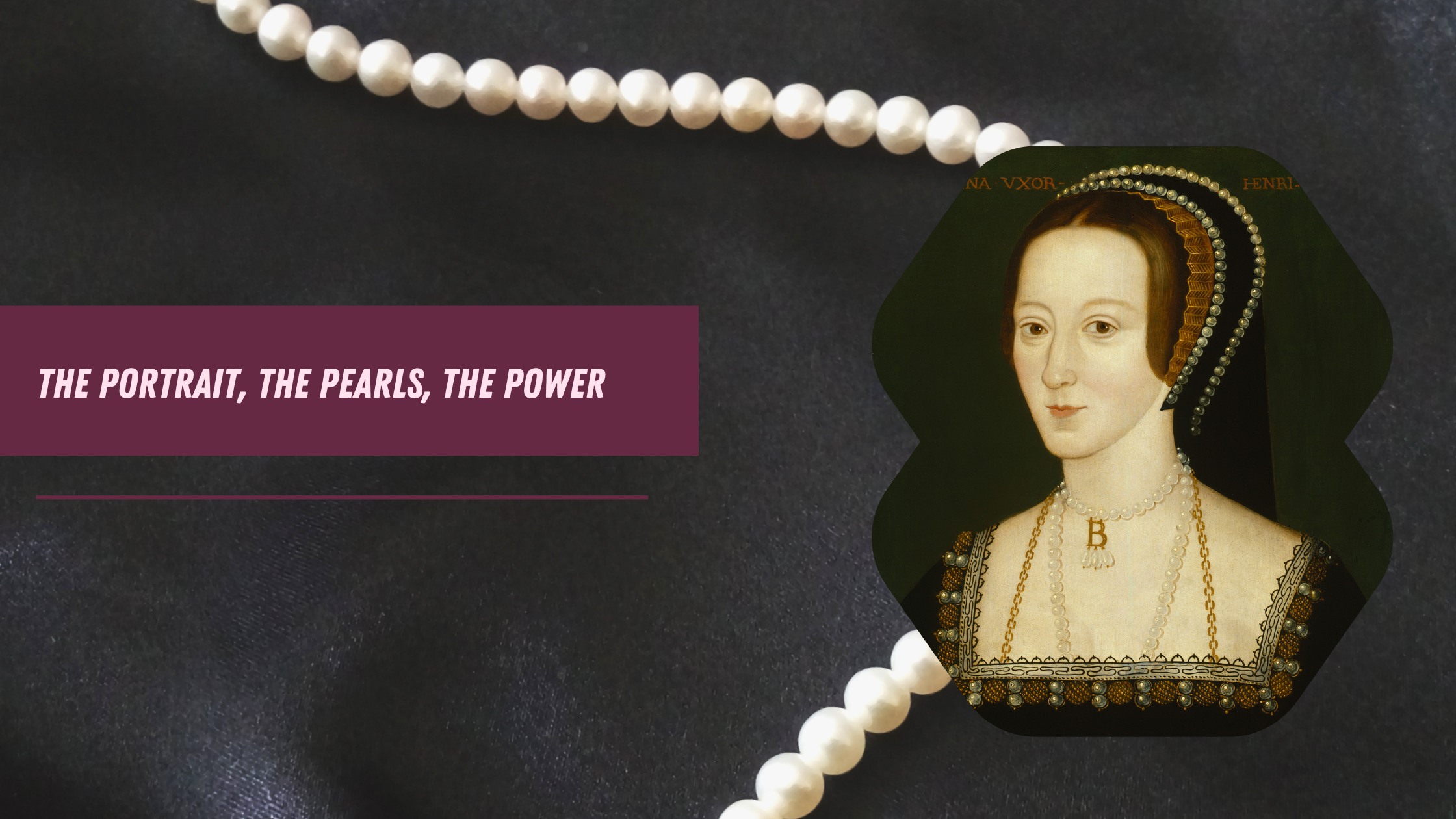
When most people think of Anne Boleyn, they picture the portrait.
The dark gown. The French hood. The confident gaze. The famous pearl necklace bearing the letter "B."
Whether or not every detail of the surviving images perfectly reflects Anne's appearance, one thing is clear: Anne Boleyn understood the power of image. (If anyone knows the Tudors; they know the Tudors were KINGS of image propoganda).
Long before public relations teams, curated social media feeds, and personal branding consultants, Anne was crafting a visual identity that communicated exactly who she wanted the world to believe she was.
And it worked.
A Woman Who Looked Different
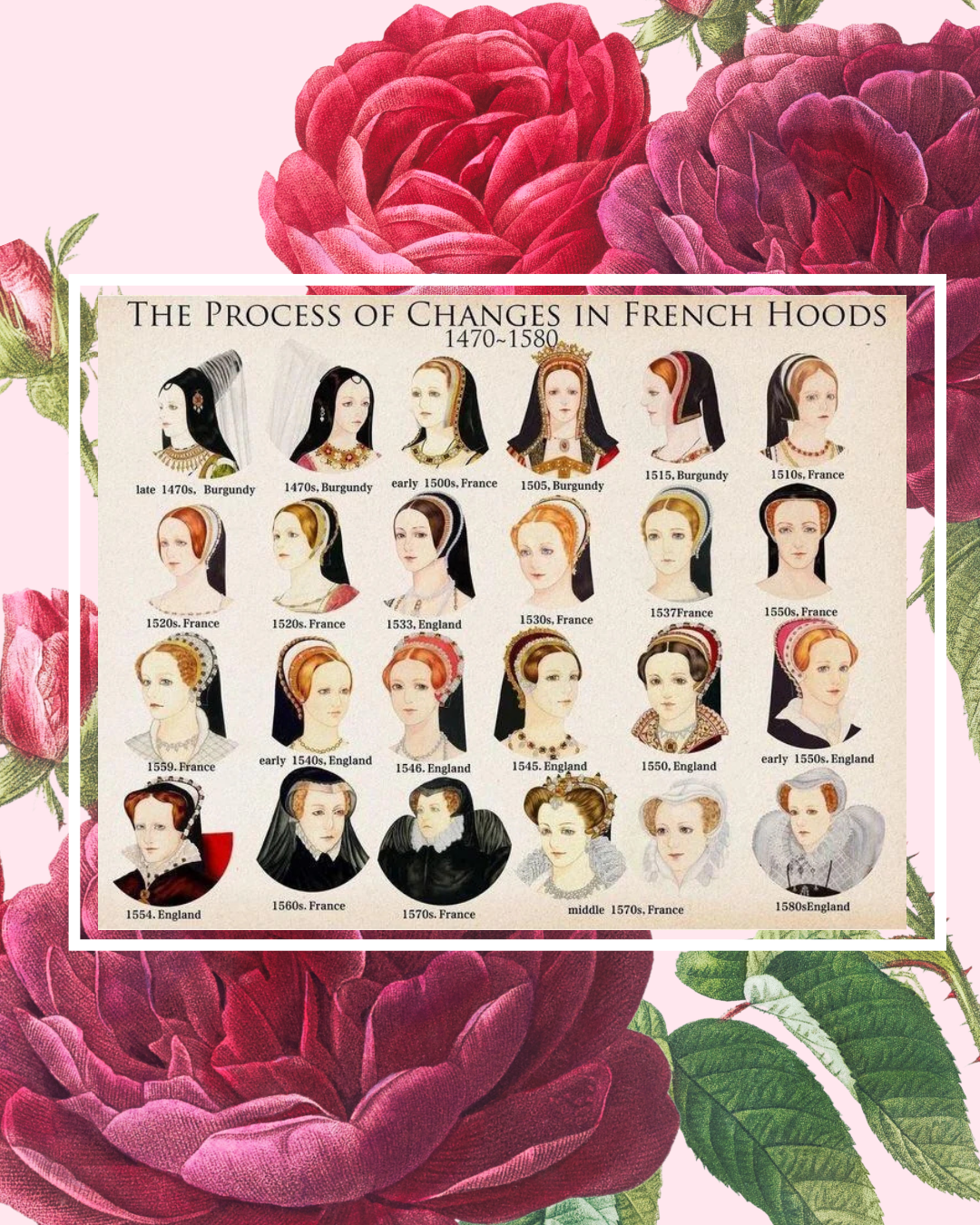
Anne returned to England after spending much of her youth in the sophisticated courts of the Netherlands and France. She brought with her something unusual: continental style.
While many English noblewomen continued to favor traditional English fashions, Anne embraced French elegance. Her clothing, manners, and education reflected the influence of Europe's most fashionable courts.
Most famously, she popularized the French hood—a sleek, crescent-shaped headdress that framed the face and revealed more of the hair than traditional English gable hoods.
The choice was not merely fashionable.
It signaled refinement.
It signaled cosmopolitanism.
It signaled that Anne belonged to a wider European world. (which was reflected in some of the political agreements Henry made during her time as queen) .
In an age when clothing communicated status, education, and political identity, Anne's appearance made a statement before she ever spoke a word.
The Pearls and the "B"
No symbol is more closely associated with Anne than the famous pearl necklace featuring the pendant letter "B."
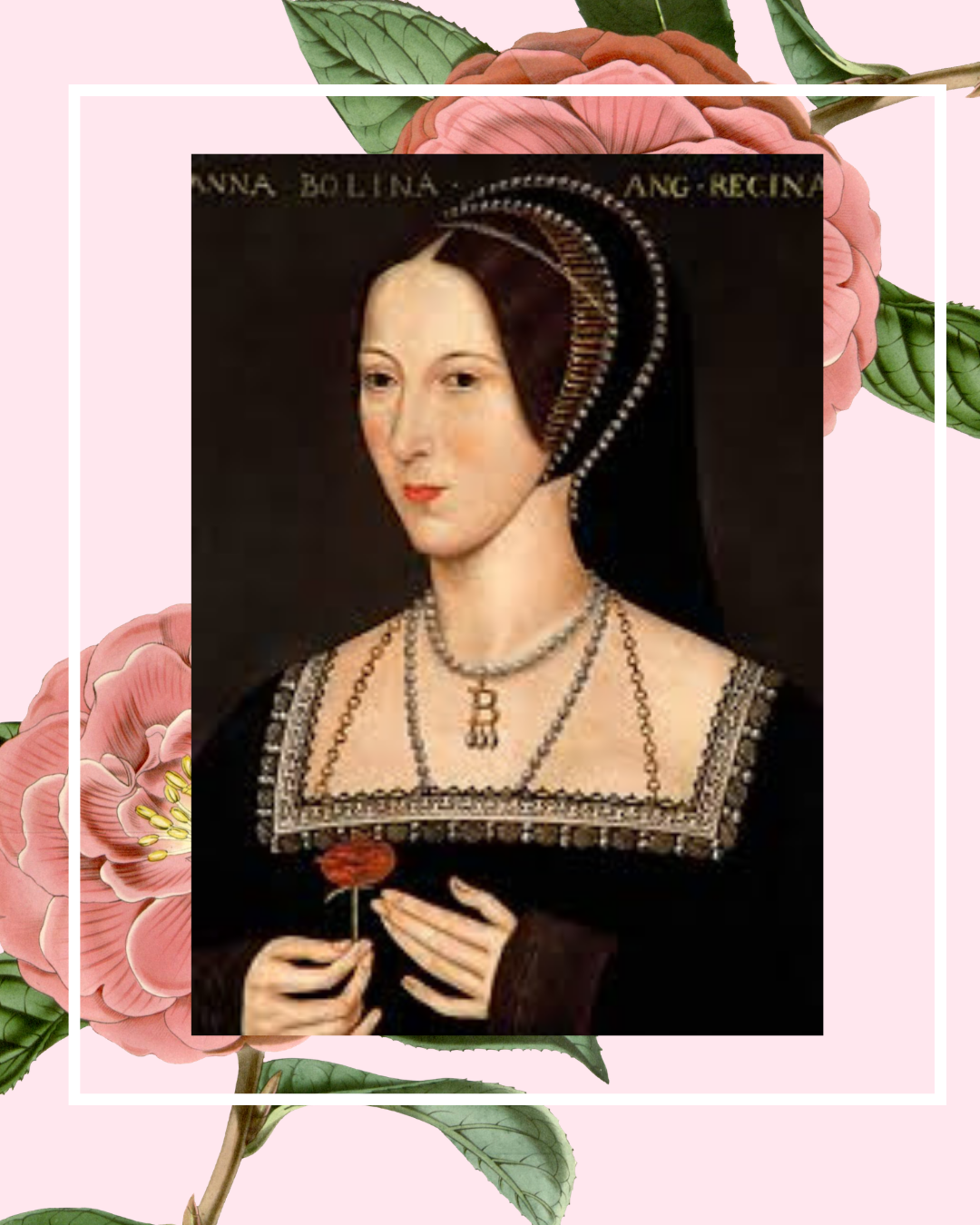
Today it feels surprisingly modern.
A personalized accessory.
A recognizable signature.
A visual logo.
Whether worn in life exactly as later portraits depict it or emphasized by artists after her death, the necklace became inseparable from Anne's image. (Elizabeth I would later adorn a piece of her mothers jewelry almost at all times when she ruled as queen).
Pearls themselves carried powerful meanings in the sixteenth century. They symbolized wealth, nobility, virtue, and royal status.
The initial transformed those meanings into something even more striking.
Anne was not merely displaying family connections or dynastic identity.
She herself had become the brand.
History It Girls Fact Check:
HOWEVER: It is important to note that this famous portrait most people associate with Anne Boleyn was created after her death (In Elizabeth’s reign) and may not perfectly reflect her actual appearance. However, the image remains one of the most influential visual representations of any Tudor queen and has helped shape Anne's legacy for nearly five centuries. Other portraits of her that may be from her time are closely the same as the one you are picturing in your head. Still then, reinforcing that Anne truly did appear somewhat in this way, and did have these images associated with her.
Learn more here https://www.theanneboleynfiles.com/anne-boleyn-portraits-which-is-the-true-face-of-anne-boleyn/
The Red Rose
Another recurring symbol connected to Anne is the red rose.
The Tudor rose represented the dynasty that emerged after the Wars of the Roses, uniting the houses of Lancaster and York.
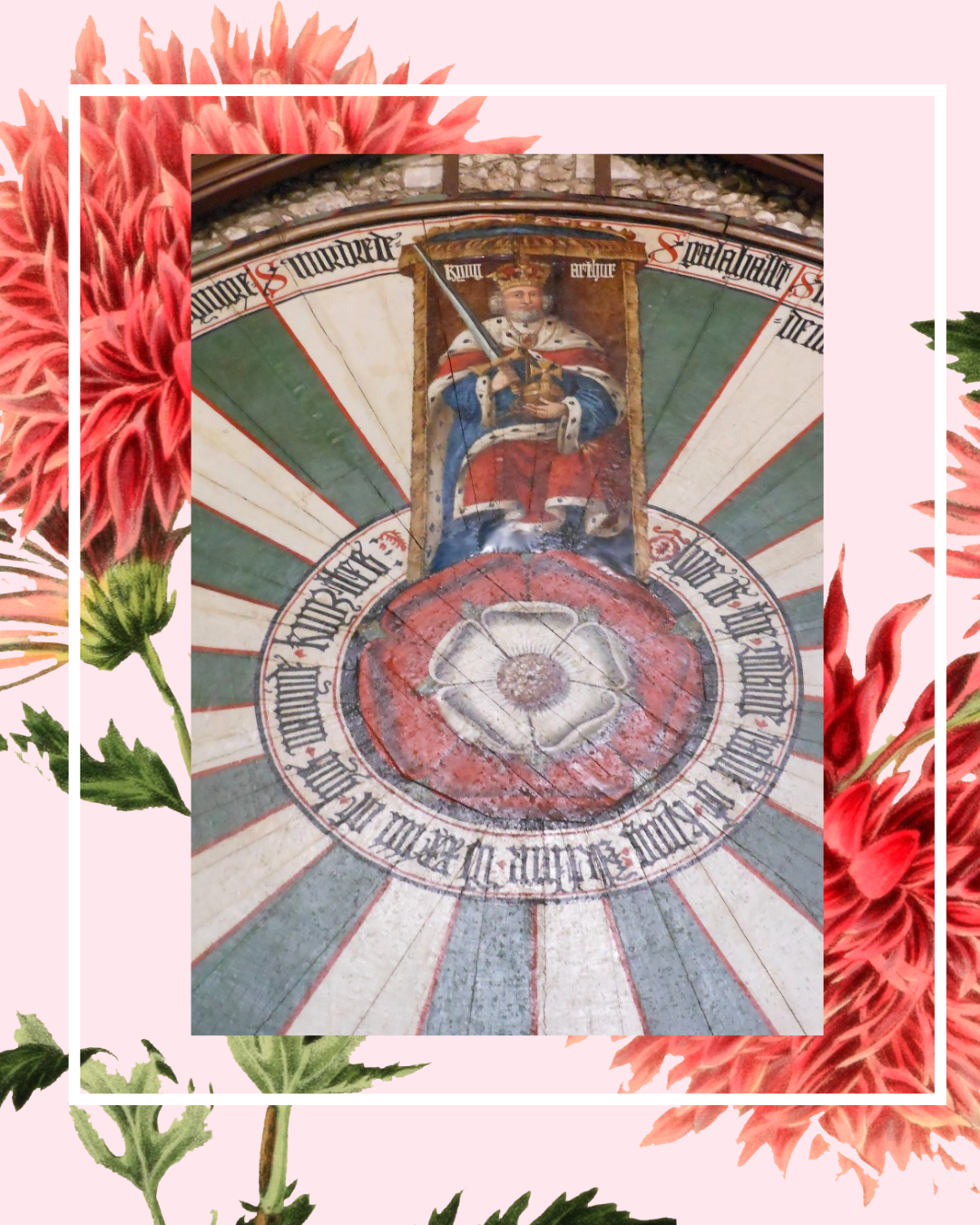
By associating herself with Tudor imagery, Anne visually reinforced her place within England's ruling family.
This mattered.
Anne's position was controversial from the beginning. Critics questioned her rise, her influence, and her legitimacy.
Symbols helped answer those criticisms.
The rose suggested loyalty.
It suggested royal destiny.
It suggested that Anne belonged at the center of England's future.
A Face for a New Queen
The surviving portrait now associated with Anne, preserved by the National Portrait Gallery tradition, presents a carefully constructed image.
The viewer sees elegance without extravagance.
Confidence without arrogance.
Beauty without obvious sensuality.
Everything appears deliberate.
Historians continue to debate how closely surviving portraits resemble Anne's actual appearance, especially since no unquestionably authentic portrait painted during her lifetime survives. Yet the images created after her death reveal something important: how people wanted to remember her.
The majority of the surviviving records that do describe Anne paint her as no extravagent beauty. Depending on the year, whether it be her rise or fall as queen sources differ. I however, do find it interesting that instead of phsyical appearances (apart from the unfriendly ones of Chapuy later in her queenship) Anne is instead described as such:
“I have never had better opinions of woman than I had of her.” Thomas Cranmer, Archbishop of Canterbury, Anne Boleyn’s pastor and Boleyn family friend.
“For her behaviour, manners, attire and tongue she excelled them all.” Lancelot de Carles
“Her excellent grace and behaviour” George Cavendish, usher to Cardinal Wolsey, when explaining why Anne stood out from the rest of women at court.
“She (Anne) knew perfectly how to sing and dance…to play the lute and other instruments.” Lancelot de Carles
“Imbued with as many outward good qualities in playing on instruments, singing, and such other courtly graces, as few women were of her time.” William Thomas
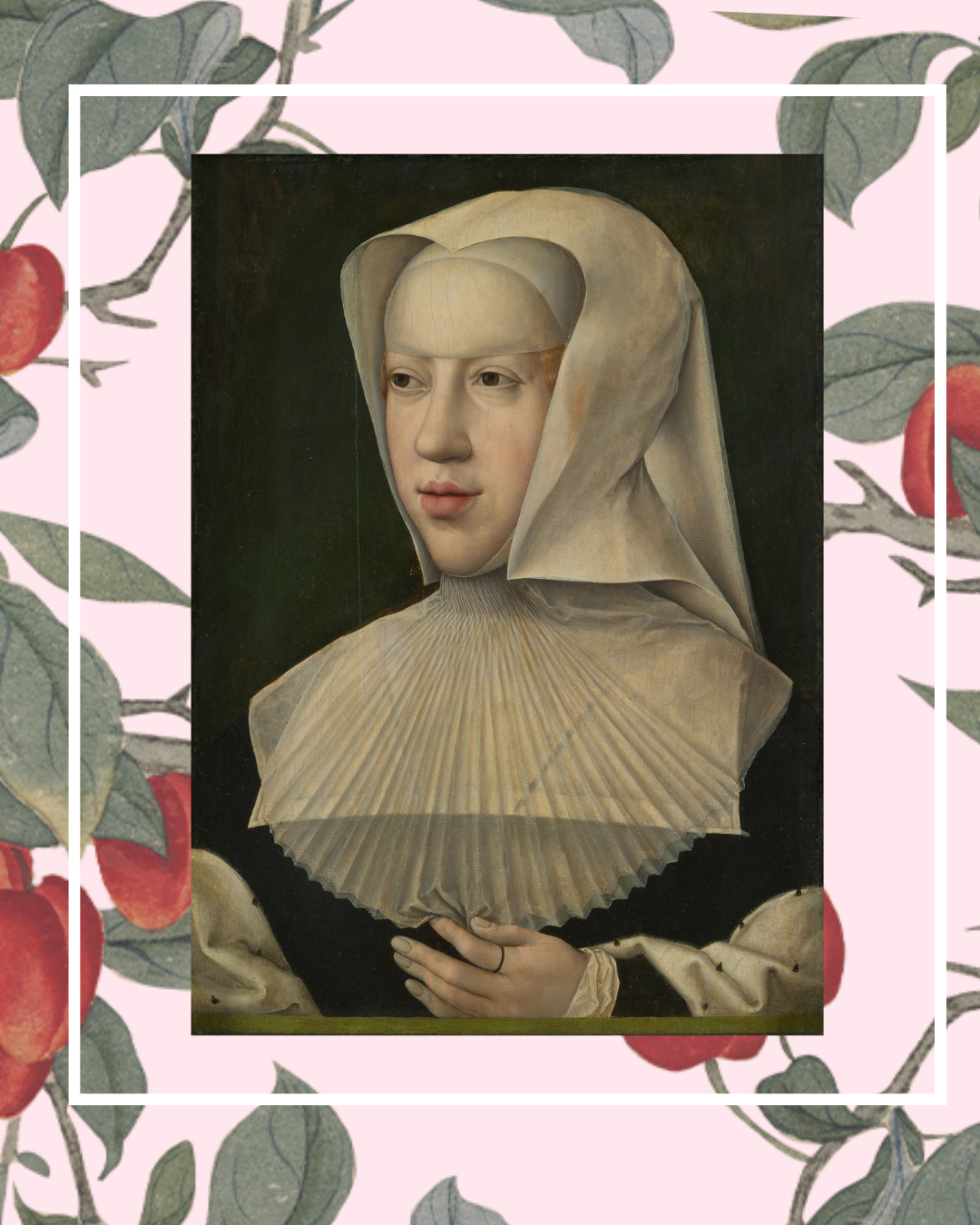
“I find her so bright and pleasant for her young age that I am more beholden to you for sending her to me than you are to me.” Archduchess Margaret of Austria, who trained Anne as a maid of honour in her household.
These are particularly fascinating to me because they show first impressions from Anne’s earlier life. I really am fascinated by the last one because Margaret (pictured to the left) was in no position to merely deal out flattery to anyone. This was also before Anne had even encountered Henry VIII or even King Francis (who was a rumored lover of her sister) later on. She truly had no stake in the game of Anne becoming queen, so her flattery and take on Anne impresses me. Plus, the more you learn of Margaet the more respect you have for learned women of that time; as well as a deeper understanding of why Anne was who she was. That though is a paper unto itself. These flatteries of how learned and skilled and graceful she was though all come into a clear portrait when you understand her upbringing and the women who surrounded her.
Ultimately Anne crafted an image of herself not simply as Henry VIII's wife.
Not simply as Elizabeth's mother.
But as a queen whose image carried meaning.
The Holbein Question
Many historians have wondered whether Anne may have sat for, or at least influenced, artistic circles connected to the great court painter Hans Holbein the Younger.
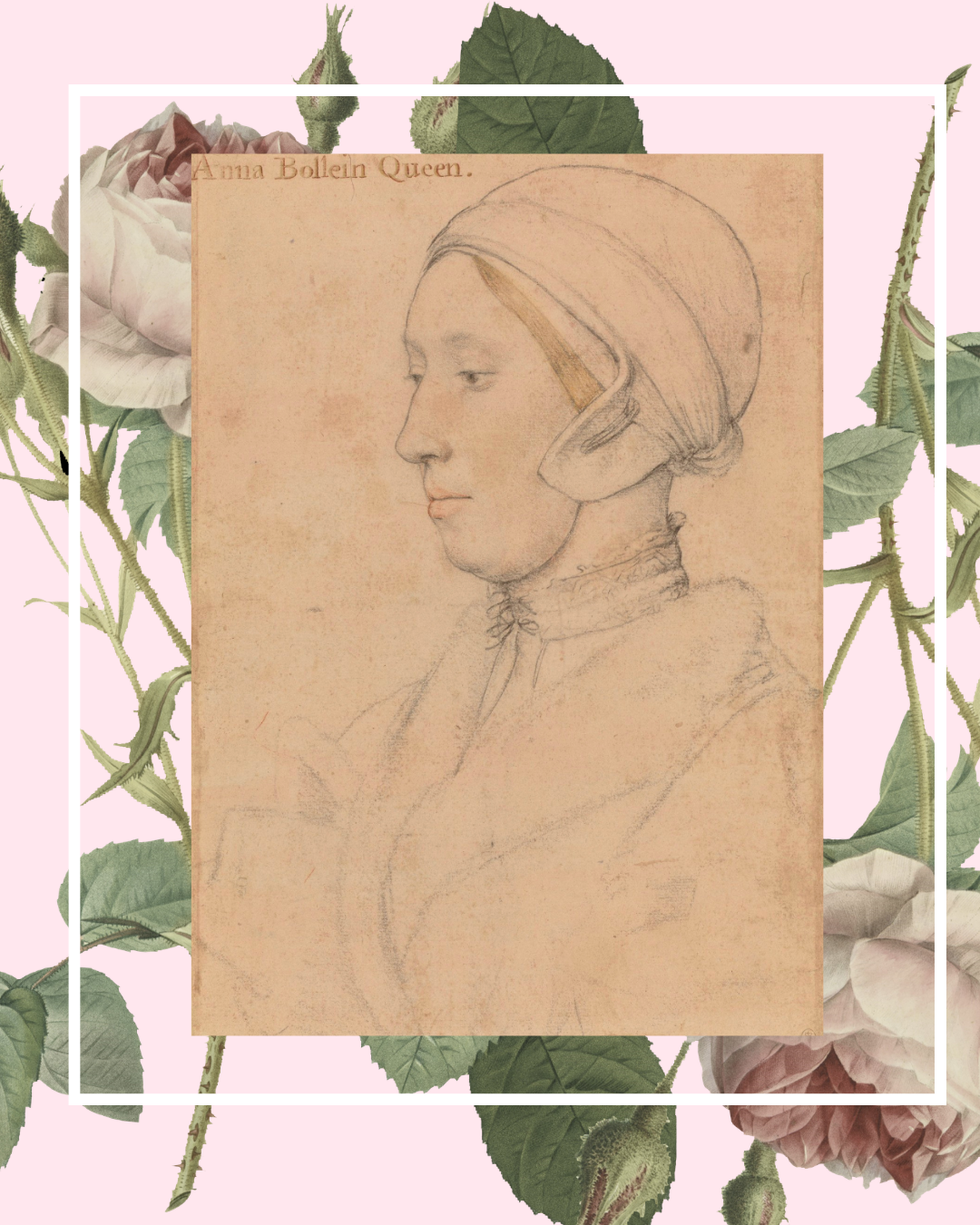
Although no surviving Holbein portrait of Anne can be definitively identified, his work shaped the visual culture of the Tudor court. The one that is associated with Anne the many do claim is her is the one to the right here. However, recently it’s come under debate by historians. Some believing it’s Anne, other saying it was Anne’s mother; the debate goes on. I’ll let you decide.
What is important is that Holbein understood what rulers understood: portraits were political tools.
A portrait was never just a picture.
It was a message. (For those interested in what types of messages I will do an article on Henry VIII’s final self-portrait (which his son Edward copied later on) and the famous cod piece.)
If Anne participated in that culture—as she almost certainly did—she understood exactly what visual presentation could accomplish.
The Original Personal Brand
Anne Boleyn's image communicated four things.
She was European. (Also during this time; this could have meant Humanist)
She was refined.
She was loving and worthy of admiration.
And she was powerful.
Those messages mattered because Anne's rise depended not only on royal favor but also on public perception.
She could not control every rumor.
She could not silence every enemy.
But she could shape the way she appeared.
In many ways, Anne's most famous portrait functions like a sixteenth-century profile picture.
Carefully chosen. - Strategically presented. -Loaded with symbolism.
Designed to tell a story before a single word is spoken.
Five hundred years later, we're still reading the caption.
Works Cited
The Life and Death of Anne Boleyn. Ives, Eric. The Life and Death of Anne Boleyn. Blackwell Publishing, 2004.
Six Wives: The Queens of Henry VIII. Starkey, David. Six Wives: The Queens of Henry VIII. Harper Perennial, 2003.
The Rise and Fall of Anne Boleyn. Warnicke, Retha M. The Rise and Fall of Anne Boleyn: Family Politics at the Court of Henry VIII. Cambridge University Press, 1991.
Holbein and England. Foister, Susan. Holbein and England. Yale University Press, 2004.
National Portrait Gallery – Anne Boleyn Collection and Research