When the King Becomes the Knight
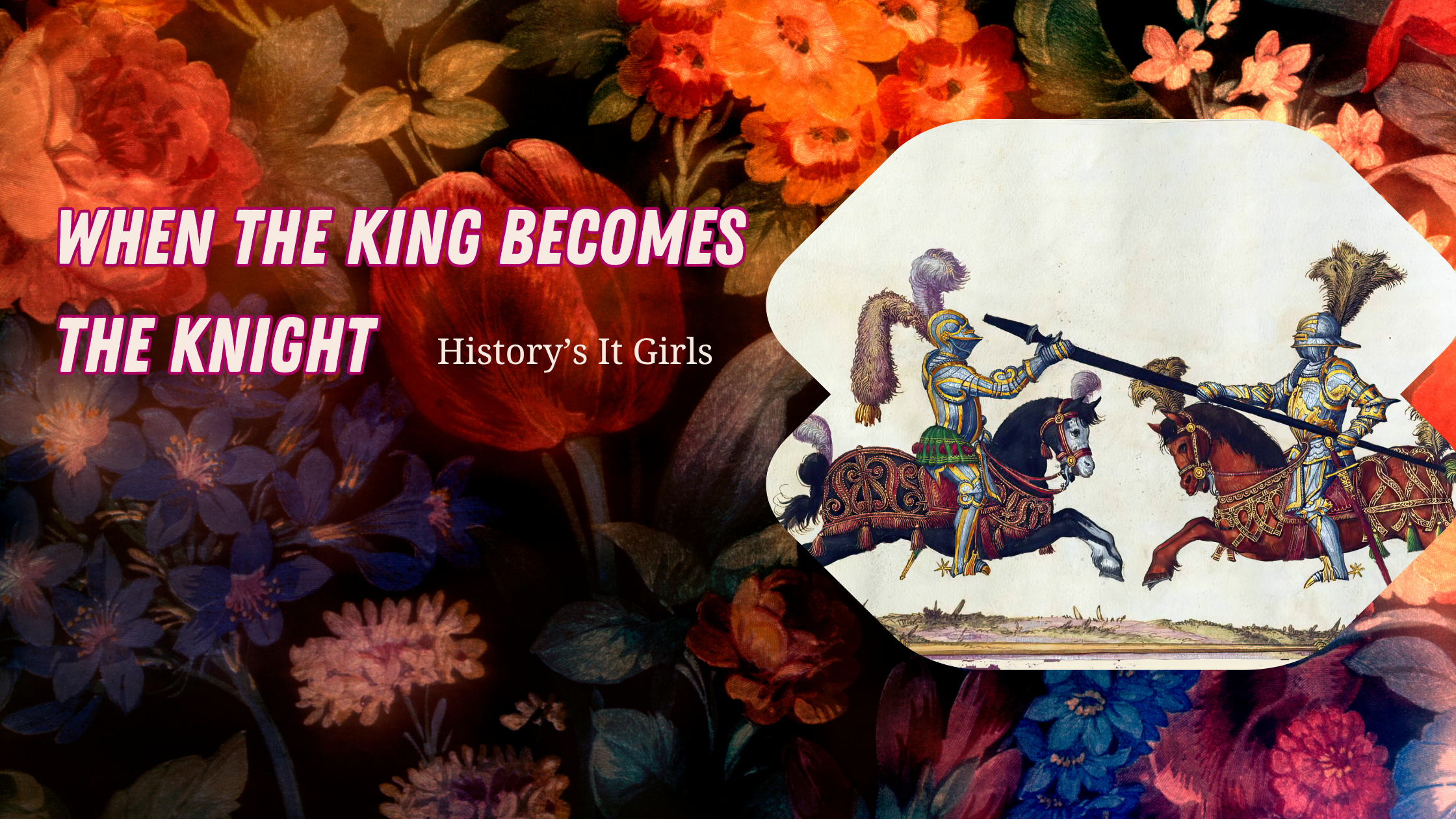
Explore how Anne Boleyn reversed traditional courtly love roles by making Henry VIII pursue, serve, and prove himself. Discover how love, power, and politics intertwined in Tudor England.
Watch of the Week: What Happened to Marie Antoinettes Kids?
Discover what happened to the children of Marie Antoinette during the French Revolution. This Watch of the Week explores the tragic fate of her four children, including Louis XVII, and reveals how revolution reshaped the royal family forever.
A Tudor Easter: From Fasting to Feasting
Discover how Easter was celebrated in Tudor England, from the strict fasting of Lent to the joyful feasting of Easter Sunday. Explore traditions, foods, and royal customs under Henry VIII that marked this dramatic seasonal transformation.
The Bunniest Power Move: How the Tudors Made Bread Iconic
Discover the history of hot cross buns in Tudor England and how figures like Henry VIII shaped Easter traditions. Explore the symbolism, spices, and cultural impact behind this iconic Good Friday treat.
Holy Week in Tudor England: Ritual, Reverence, and Good Friday Devotion
Explore Holy Week in Tudor England, from solemn Good Friday rituals like “creeping to the cross” to the stripping of church altars. Discover how figures like Henry VIII participated in deeply symbolic religious traditions leading up to Easter.
🎭 April Fools at the Tudor Court: But Make It Real
Explore the surprising role of court fools in Tudor England this April Fools’ Day. From Will Somer to Jane the Fool, who served Anne Boleyn, discover how “natural fools” were valued for their honesty, humor, and unique place at the court of Henry VIII. A fascinating look at power, disability, and truth in the Tudor world.
💋 Blog Post 5: The Power Move — She Said No
Discover how Anne Boleyn changed history with one powerful move—refusal. In this History It Girl blog, explore Henry VIII’s love letters, the politics of courtly love, and how Anne turned desire into leverage, ultimately reshaping the Tudor court and sparking the English Reformation.
Tudor Surgery & a Modern Reminder: Why I’m Grateful to Live Now
After experiencing modern kidney stone surgery, this post explores the brutal reality of Tudor medicine. From barber-surgeons to dangerous procedures like amputations and bladder stone removal, discover how surgery in the time of Henry VIII was performed without anesthesia, antibiotics, or knowledge of germs—and how early innovators like Ambroise Paré began to change the future of medicine.
Why Anne Wasn’t Like the Other Girls (At Court)
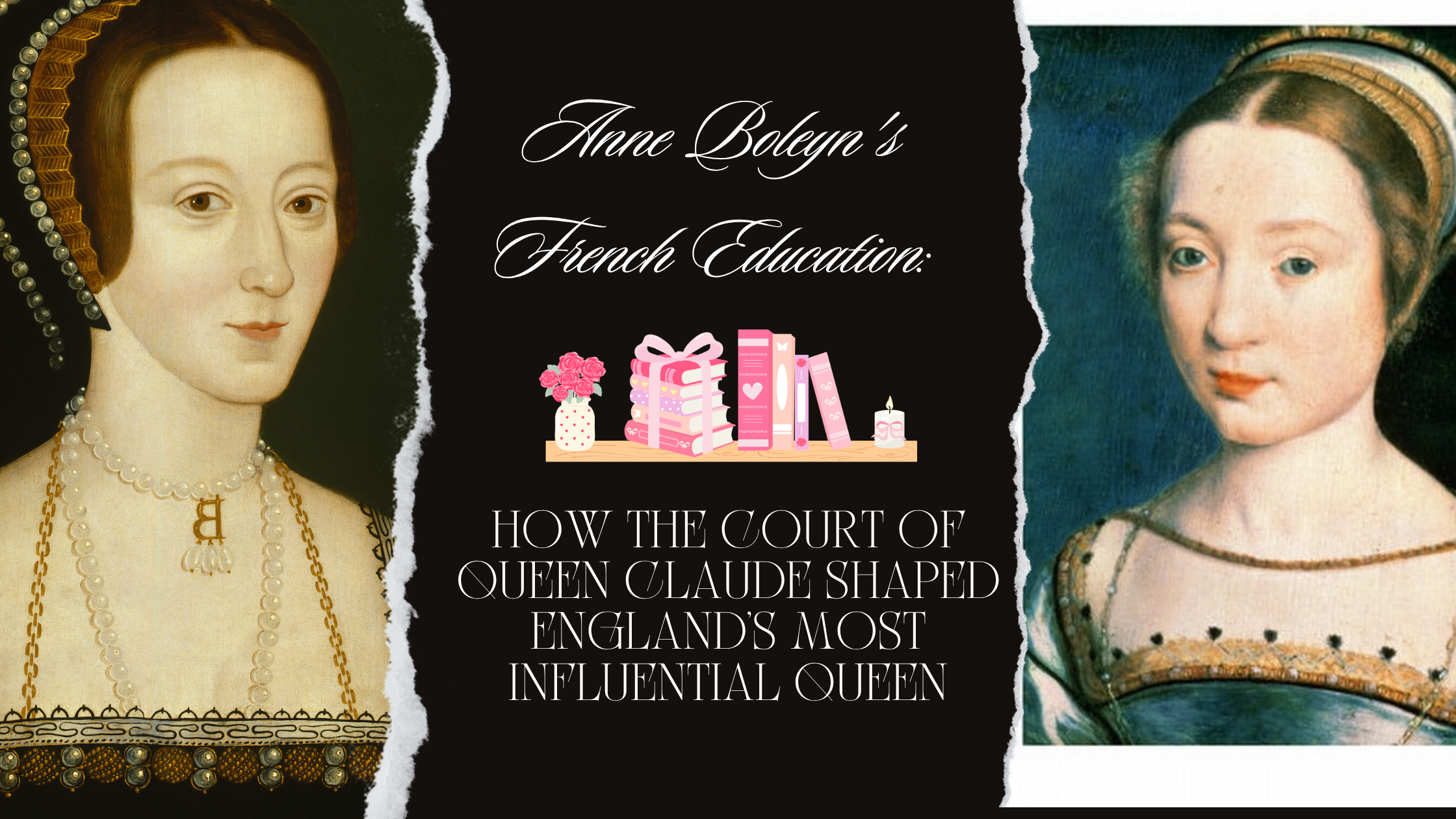
Discover how Anne Boleyn’s time in the courts of Margaret of Austria and Claude of France shaped her into one of the most influential women in Tudor history. From Renaissance humanism to French fashion and courtly charm, explore how Anne’s European education gave her the power to captivate a king—and change England forever.
“Marry in May, Rue the Day”: Tudor Wedding Superstitions and Bridal Beliefs
“Marry in May, Rue the Day”: Tudor Wedding Superstitions and Bridal Beliefs explores the folklore, religious anxieties, and cultural traditions surrounding marriage in 16th-century England. From fears about marrying in May to symbolic bridal herbs, fertility omens, and ecclesiastical calendars, this article examines how superstition shaped weddings during the Tudor period. Featuring context from the reigns of Henry VIII and Elizabeth I, this piece blends archival insight with cultural history for readers interested in Tudor marriage customs, Anne Boleyn, and early modern bridal traditions.
Silk, Skin, and Sacrament: Bridal Preparation in Tudor England
In this reflective piece, a Tudor historian explores how brides prepared for marriage in 16th-century England during the reigns of Henry VIII and Elizabeth I. Examining canon law, bridal symbolism, beauty practices, wedding dress customs, and dynastic expectations, the article connects personal wedding reflections with historical research on marriage in Tudor England. Perfect for readers interested in Anne Boleyn, English Reformation history, and early modern wedding traditions.
Courtly Love 101: The Medieval Dating Manual That Shaped Anne Boleyn
Series One: How to Catch a King — Before Anne Boleyn, There Was Courtly Love
Before Anne Boleyn captivated Henry VIII, medieval courts were already obsessed with romantic performance.
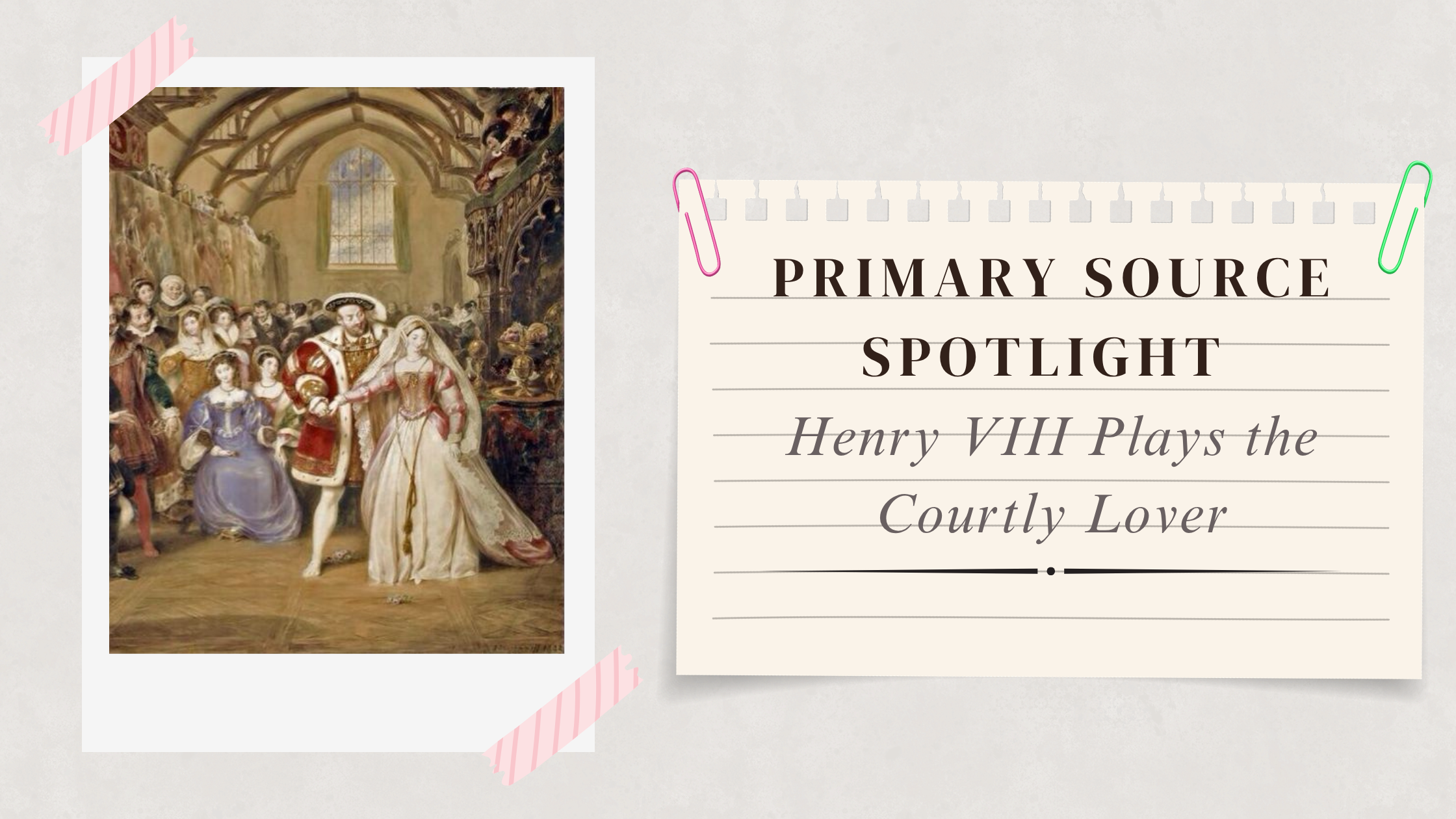
Courtly love — shaped by figures like Eleanor of Aquitaine and immortalized in Arthurian legends — taught nobles how to desire. Knights proved devotion. Ladies remained distant. Power lived in restraint.
By the 1520s, this chivalric culture thrived in the Tudor court.
Anne didn’t invent the game.
She mastered it.
History’s It Girls: Elizabeth I and the Invention of Tudor Beauty
What did it take to achieve the “perfect” Tudor look? From toxic white lead foundation to painted veins and red wigs, Elizabeth I turned beauty into political theatre. Explore how England’s Virgin Queen became the ultimate Renaissance trendsetter — and why Tudor beauty standards were far more than skin deep.
💘 Series Introduction: Anne Boleyn & the Art of Courtly Love
Was Anne Boleyn really a seductress — or was she a master of courtly love? This new History’s It Girls series reexamines the rise of Anne Boleyn through the lens of medieval romantic tradition. Instead of focusing on scandal, execution, or the English Reformation, this series explores how courtly love, Arthurian ideals, and Anne’s European education shaped her relationship with Henry VIII. Discover how Tudor romance culture, chivalric performance, and strategic refusal helped transform Anne from lady-in-waiting to queen of England.
Perfect for readers interested in Tudor history, medieval courtly love, queenship, and women’s political strategy.
The Love That Built a Dynasty: John of Gaunt & Katherine Swynford
Discover the dramatic medieval love story of John of Gaunt and Katherine Swynford — the scandalous affair that laid the foundation for the Tudor dynasty. In this installment of History’s It Girl, we explore how a duke’s controversial relationship with his children’s governess reshaped English royal history. From illegitimacy and political backlash to papal legitimization and dynastic impact, learn how Katherine Swynford became the unlikely ancestor of Henry VII and the Tudor line.
History’s It Girl: What Is an “It Girl” — and Why History Is Full of Them
What does it mean to be an “It Girl,” and did the concept exist before modern celebrity culture? In this article, we explore the historical origins of the term, famously associated with 1920s film star Clara Bow, and redefine it through the lens of powerful women in history. From Anne Boleyn and Mary, Queen of Scots to Cleopatra, discover how women across centuries shaped politics, religion, culture, and public life through charisma, intellect, and influence. This piece examines how studying influential historical women offers inspiration, leadership insight, and cultural understanding for today’s world.
Courtly Love, Crowned: How Anne Boleyn Played the Medieval Game and Won (For a While)
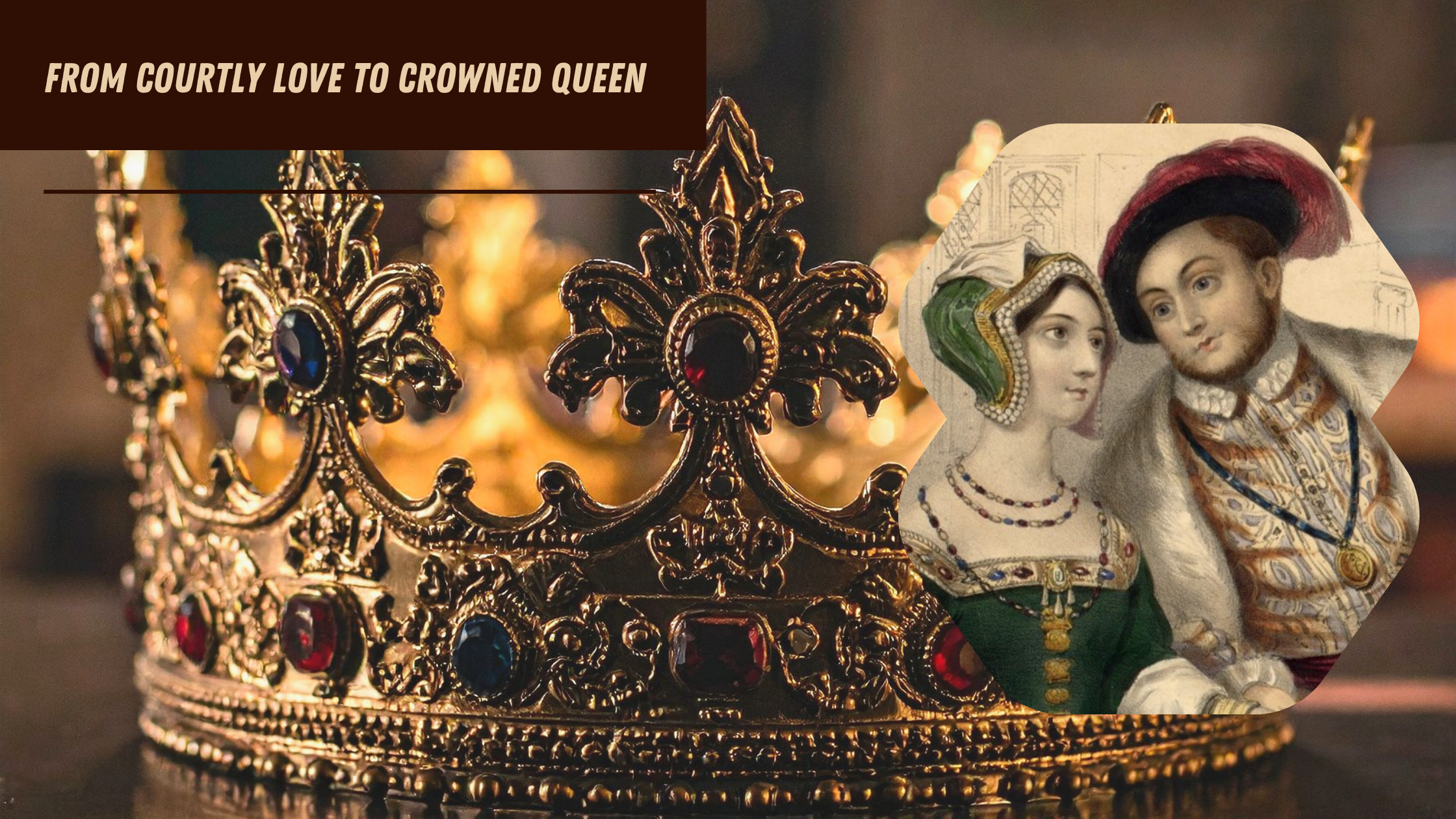
Discover how Anne Boleyn used the medieval rules of courtly love to captivate Henry VIII and rise to queenship in Tudor England.