👑 Henry VII: Founder of the Arthurian Cinematic Universe
💌 Blog Two of How to Catch a King
Before Anne Boleyn ever stepped into the English court…
Before she ever locked eyes with Henry VIII…
Before she ever said no…
There was courtly love.
And honestly? It was dramatic.
This week understand how Henry VIII and the Tudor’s in general relied on the original playbook for courtly love (Arthurian Legends) to secure their reign……

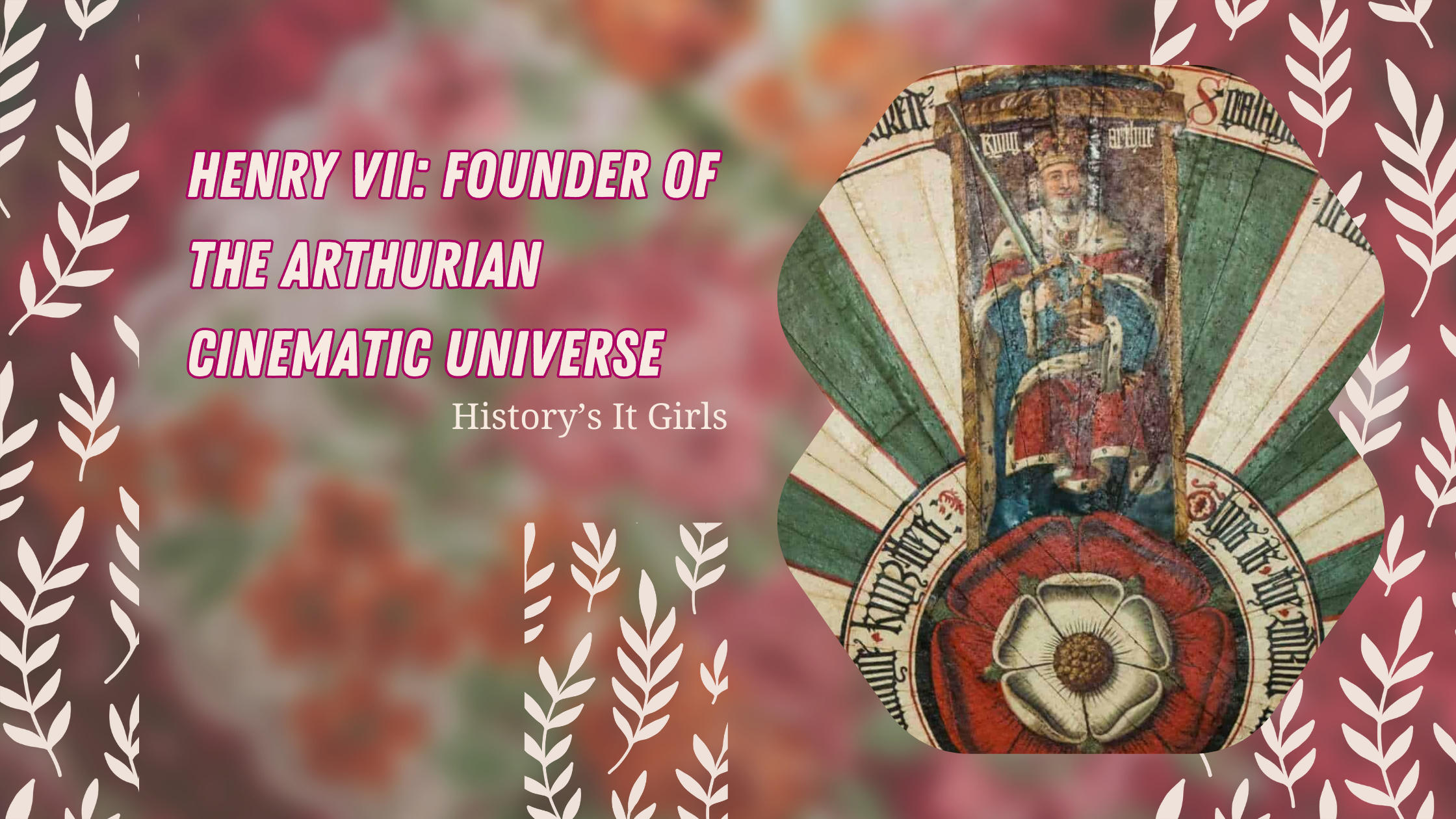
When Henry VII won the crown at the Battle of Bosworth Field, he needed legitimacy. Fast.
So what did he do? He reached into Britain’s most legendary lore bag and pulled out the ultimate nationalist icon: King Arthur.
Arthur wasn’t just myth — he was ancient British royalty, destiny-coded, sword-in-the-stone validated. By aligning the Tudor dynasty with Arthur, Henry VII wasn’t just saying, “I won.” He was saying, “Prophecy fulfilled.”
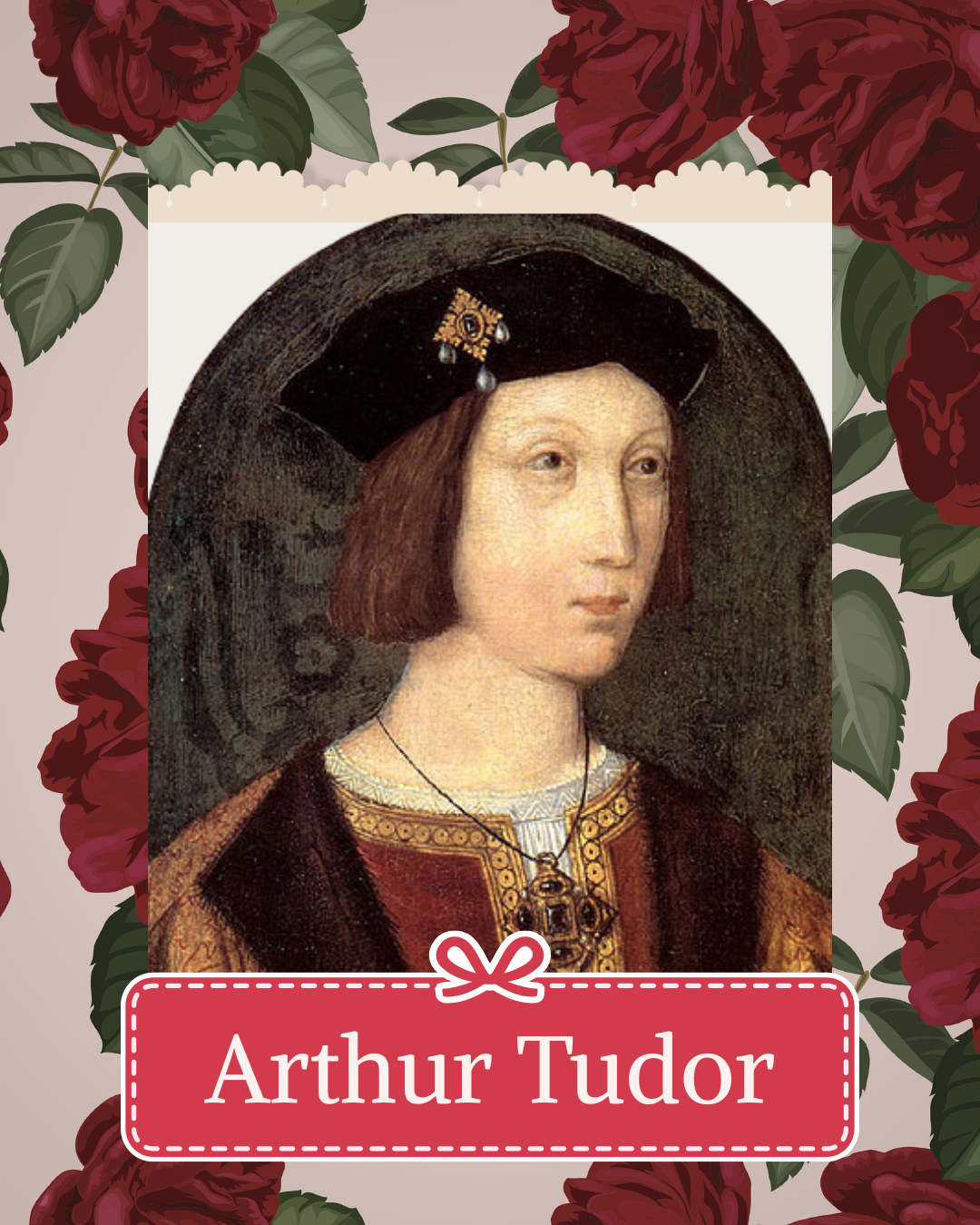
He even named his firstborn son Arthur Tudor.
Subtle? No.
Effective? Absolutely.
Arthur Tudor was born at Winchester — which some medieval writers claimed was Camelot. The symbolism was loud. The Tudors were not just rulers; they were the sequel.
Unfortunately, Prince Arthur died young, and the spare became the heir.
Enter: Henry VIII.
🏇 Tournaments: Renaissance Men in Shining Armor
If you think jousting was just a sport, think again. In Tudor England, it was political theater.
Young Henry VIII grew up in a court saturated with Arthurian imagery. Knights, chivalric codes, pageantry — it wasn’t cosplay to him. It was identity.
He didn’t just attend tournaments. He performed in them.
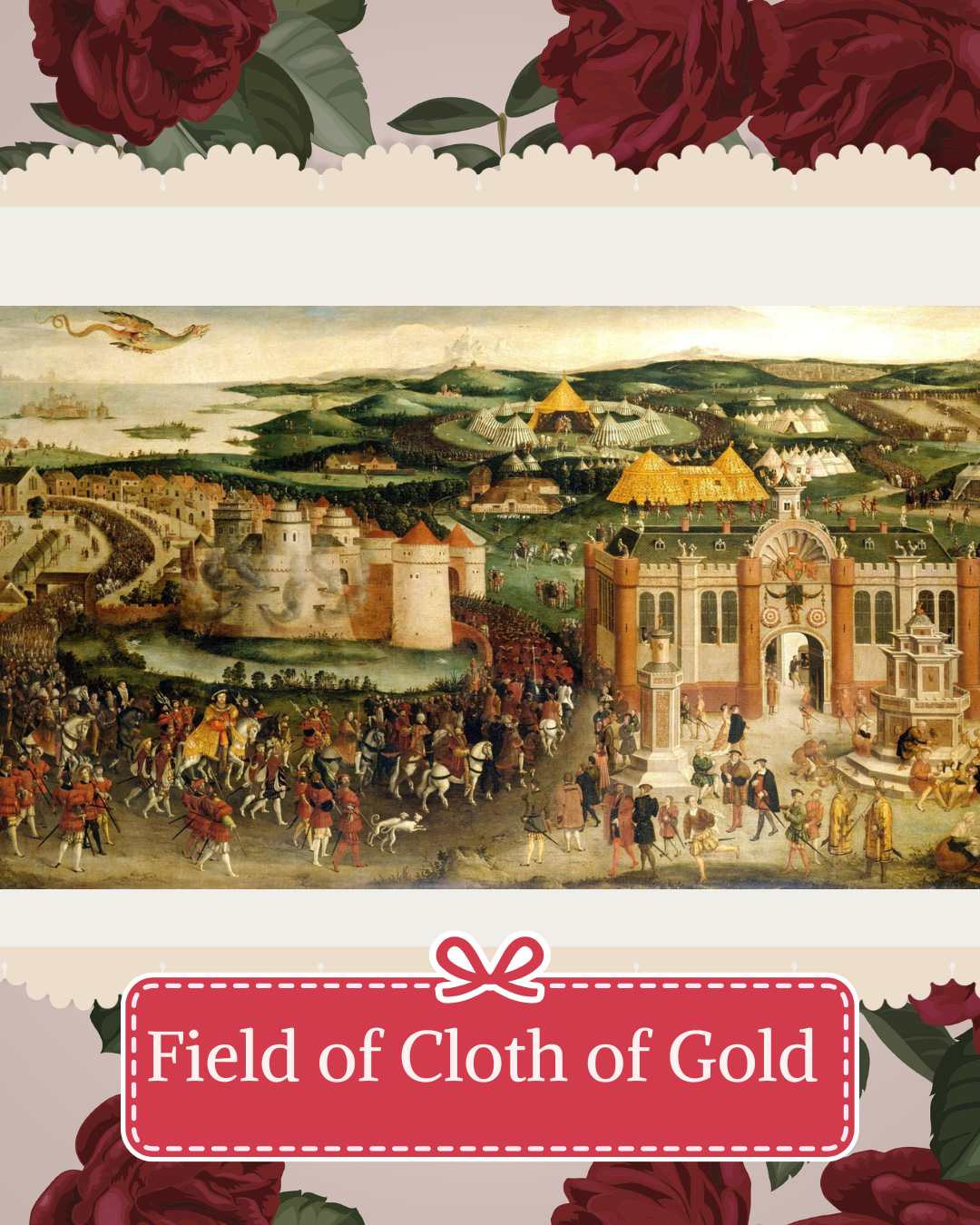
At events like the lavish Field of the Cloth of Gold, Henry and Francis I of France competed in tournaments that were basically Renaissance Met Gala meets WWE. Gold tents. Embroidered armor. Carefully choreographed masculinity.
Henry competed under alter egos like “Sir Loyal Heart.”
Sir. Loyal. Heart.
The man was deep in his knight-king era.
Jousting let Henry embody the chivalric ideal — physically strong, divinely favored, romantically noble. Every tilt of the lance was propaganda.
💌 Court Life: A 24/7 Romantic Performance
The Tudor court was not just a government. It was a stage.
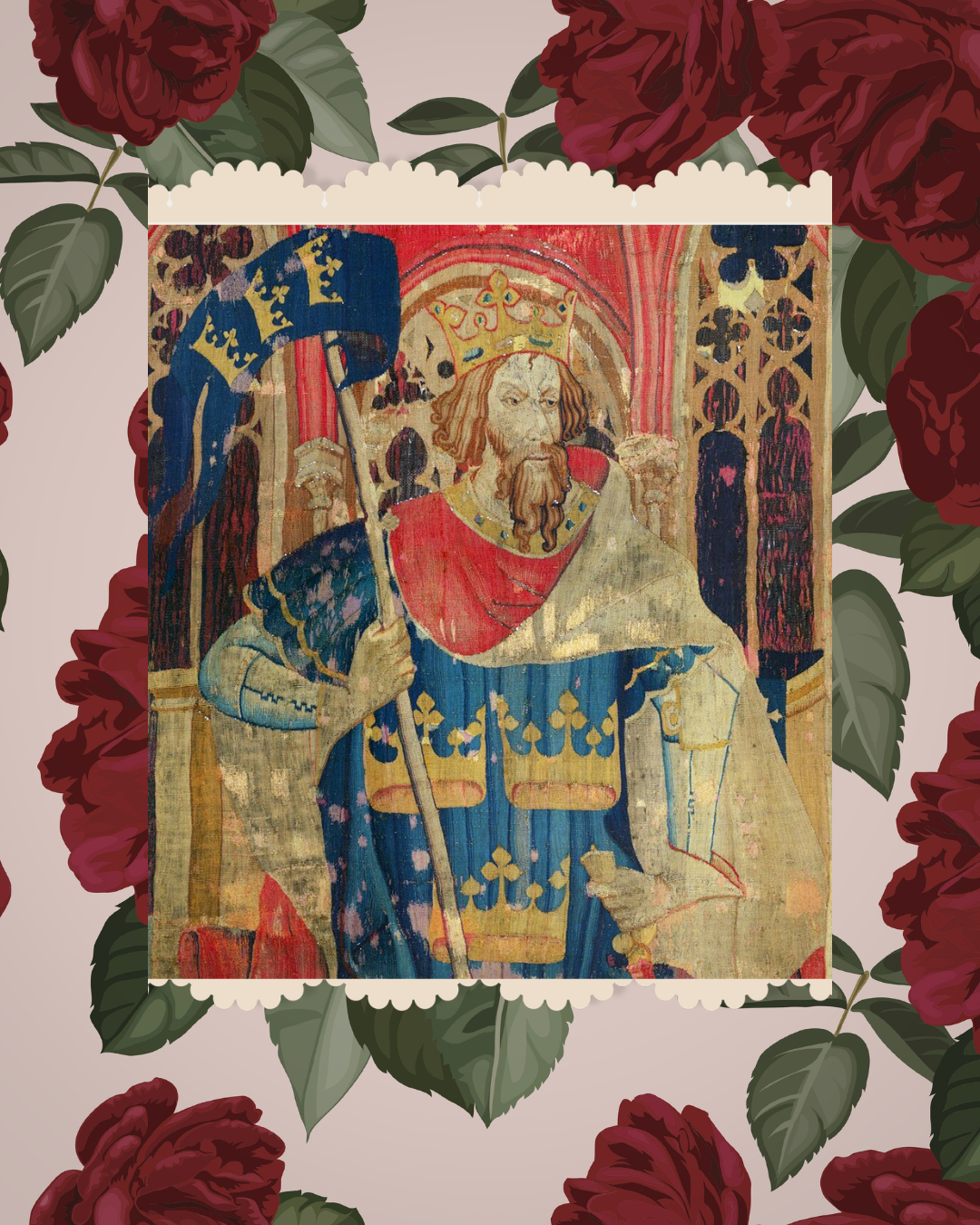
Mythical King Arthur
Courtiers wrote poetry. They exchanged coded love tokens. They performed elaborate masques full of allegory and myth. Love was stylized. Flirtation was ritualized. Everything had symbolism.
Courtly love — the medieval concept where a knight devotes himself to an unattainable lady — was still culturally powerful. Even though everyone was married off for politics, the aesthetic of devotion mattered.
Henry didn’t just rule this environment. He thrived in it.
He wrote love letters. (Yes, those letters.)
He composed music.
He played the role of devoted knight with dramatic sincerity.
When he pursued Anne Boleyn, it wasn’t framed as scandal — at least not in his head.
It was epic romance. Trials. Obstacles. Destiny.
He wasn’t abandoning a marriage. He was fighting for true love like a knight from Camelot.
At least, that’s the script.
🗡️ Why Henry Saw Himself as a Literal Knight-King
Henry VIII wasn’t delusional in a vacuum. He was culturally engineered.
From childhood, he absorbed:
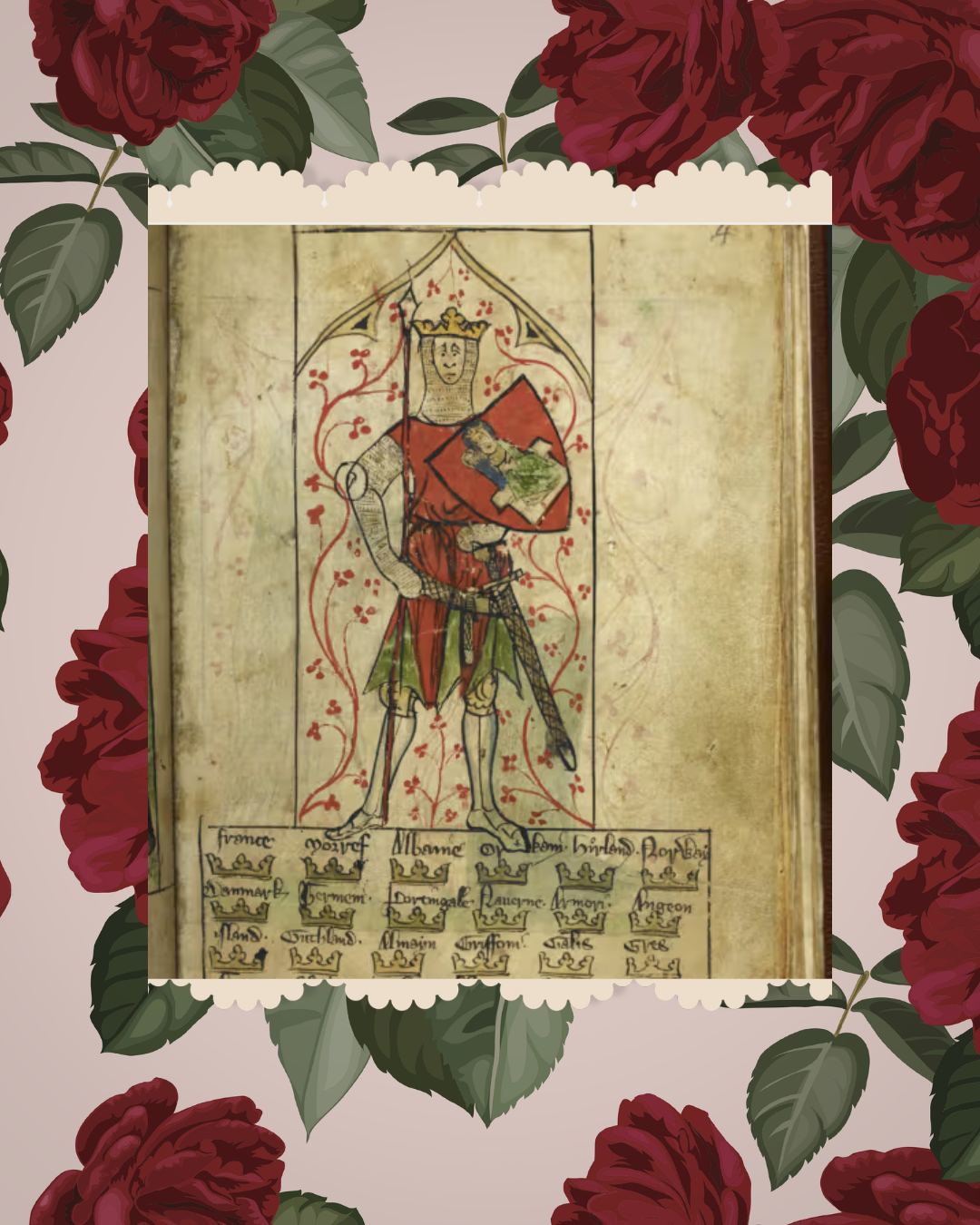
Arthurian origin propaganda
Humanist praise comparing him to classical heroes
Court pageantry reinforcing his divine masculinity
A father who built legitimacy through myth
By the time Henry came to the throne in 1509, he genuinely saw himself as:
✨ Chosen
✨ Heroic
✨ Romantically ordained
✨ Defender of the realm
He wasn’t just king. He was the revival of a golden age.
This is why his later actions make more sense when viewed through the Arthurian lens. When things didn’t go his way — no male heir, political resistance, papal refusal — he didn’t see bureaucratic obstacles.
He saw betrayal of destiny.
And if you believe you’re the prophesied knight-king restoring Britain to glory?
You don’t back down.
You break from Rome.
You rewrite the rules.
You reshape the kingdom.
Main character energy, but make it constitutional crisis.
✨ Final Thoughts: Camelot Was the Mood Board
The Tudors didn’t just admire King Arthur. They curated him.
Henry VII used Arthur to legitimize a fragile dynasty.
Henry VIII internalized the myth until it fused with his ego.
Camelot wasn’t a bedtime story in Tudor England.
It was a branding strategy.
A political aesthetic.
A lifestyle.
And Henry VIII?
He didn’t just want to rule England.
He wanted to be Arthur — crown, chivalry, tragic romance and all. 👑