Tudor Surgery & a Modern Reminder: Why I’m Grateful to Live Now
Recently, I’ve been in and out of surgery for kidney stones—nothing glamorous, nothing fun, but very modern. And somewhere between appointments and recovery, I found myself thinking…
What would this have looked like in the Tudor period?
And suddenly, my situation didn’t feel so bad.
Because if I were living in the world of Henry VIII, this wouldn’t be a routine procedure. It would be a nightmare.
🩸 Surgery, But Make It Tudor
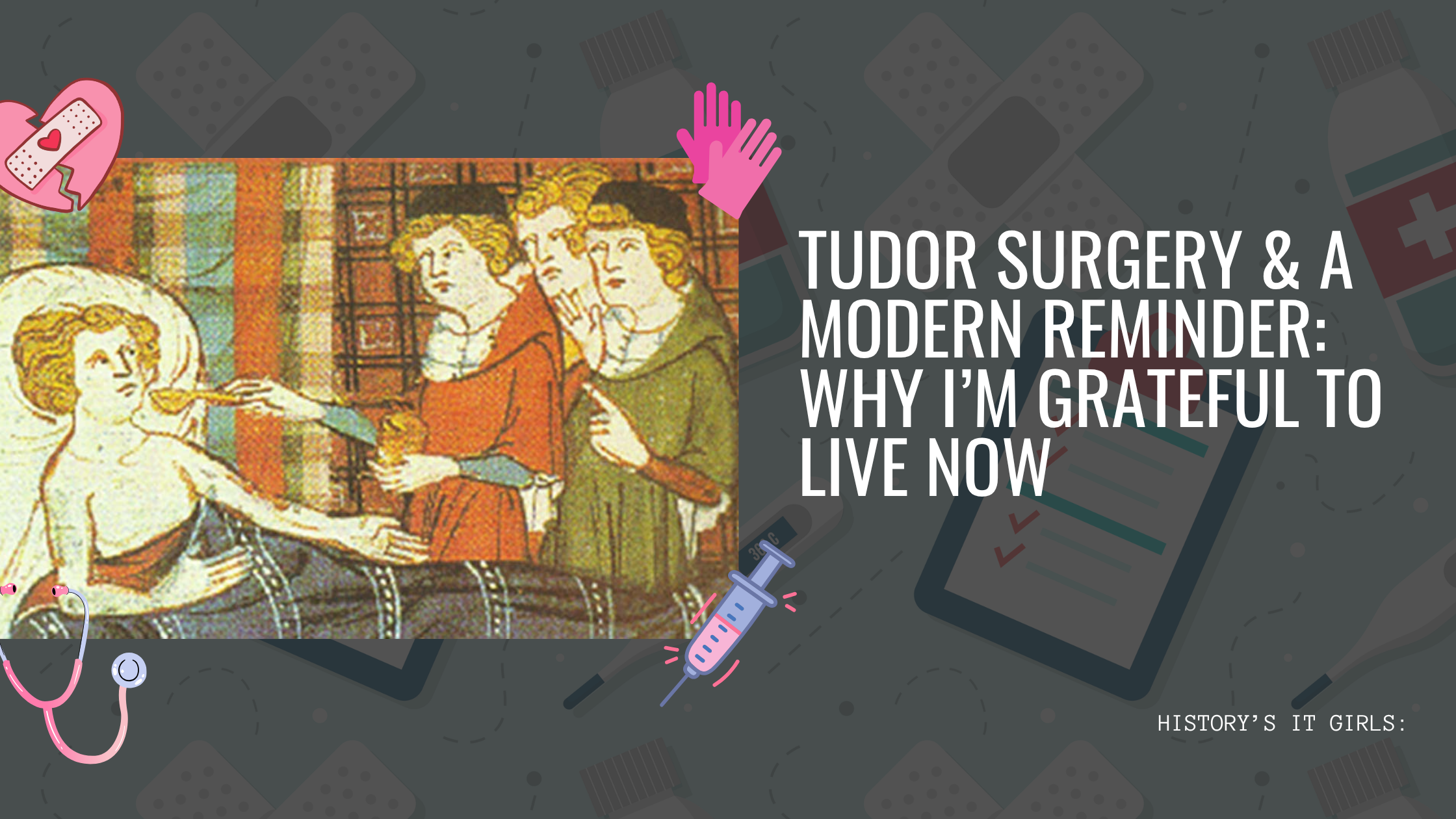
In Tudor England, surgery wasn’t just uncomfortable-it was brutal, risky, and often deadly. There was no anesthesia, no antibiotics, and absolutely no understanding of germs. Even the most basic procedures could lead to infection, and infection, more often than not, meant death.
Overall, Tudor surgery was not for the faint of heart. There was no anesthesia. No antibiotics. No real understanding of germs. Even the simplest procedure could become a death sentence-not necessarily because of the surgery itself, but because of what came after: infection, blood loss, and sheer trauma.
And yet… people still did it.
Because when you were in enough pain-whether it was a festering wound, a broken limb, or yes, a bladder stone-you didn’t have options. Surgery wasn’t a choice. It was a last resort.
🐺 A History It Girl Reality Check

One of the most dreaded procedures in the early modern world was bladder stone removal-the very thing I’ve been dealing with. The process involved making an incision in one of the most sensitive parts of the body and extracting the stone as quickly as possible. No numbing. No sterile tools. Just speed, strength, and survival instinct.
So yes-your girl had kidney stone surgery and lived to tell the tale. A Tudor woman? That story might have ended very differently.
I immediately thought of Samuel Pepys, who famously recorded his own bladder stone surgery in the 17th century. He survived-but barely. And that was considered a success story.
So, yea… I will happily take modern medicine.
✂️ Who Was Actually Performing These Surgeries?
Now here’s where it gets even more chaotic.
Not the polished, highly trained surgeons we imagine today.
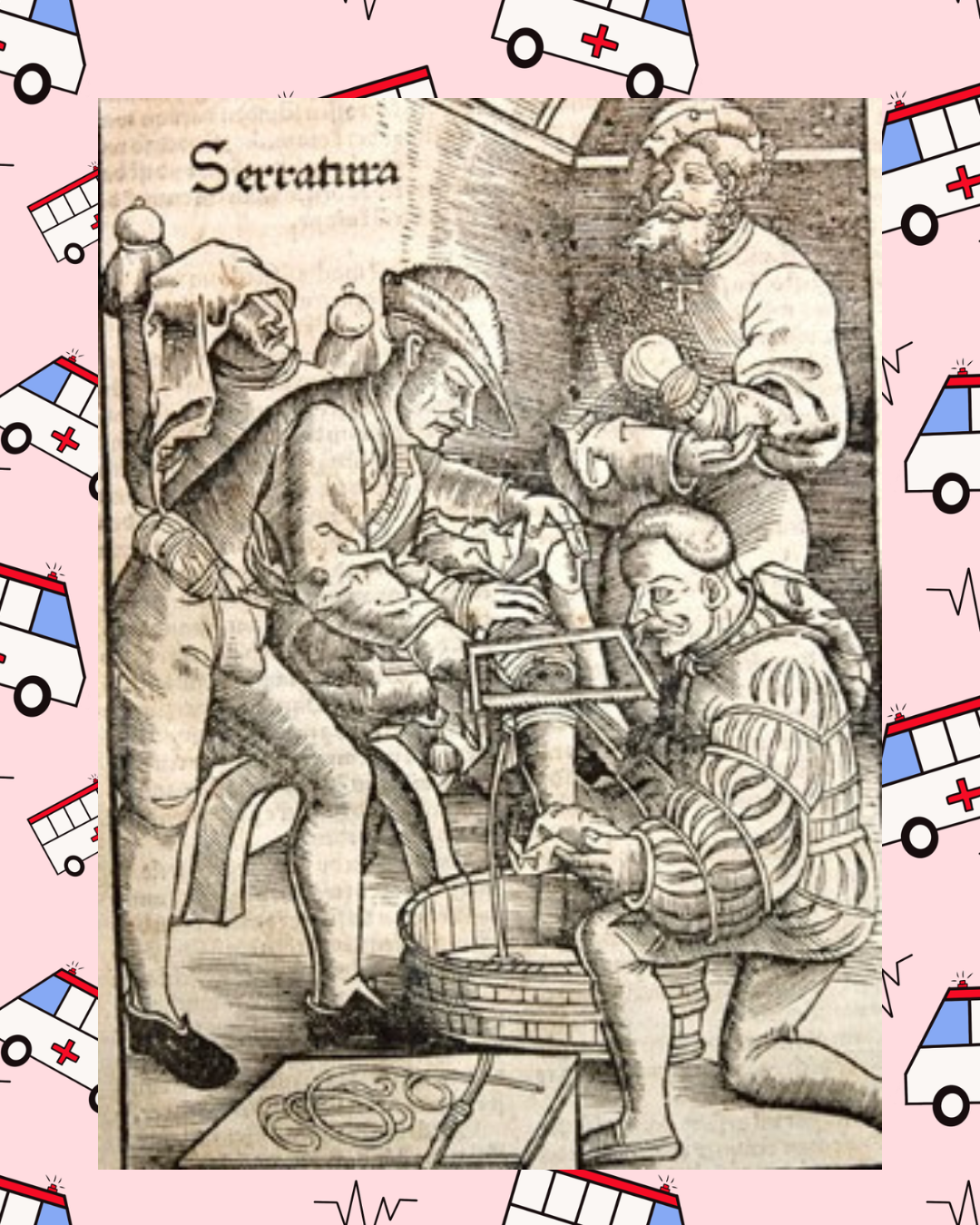
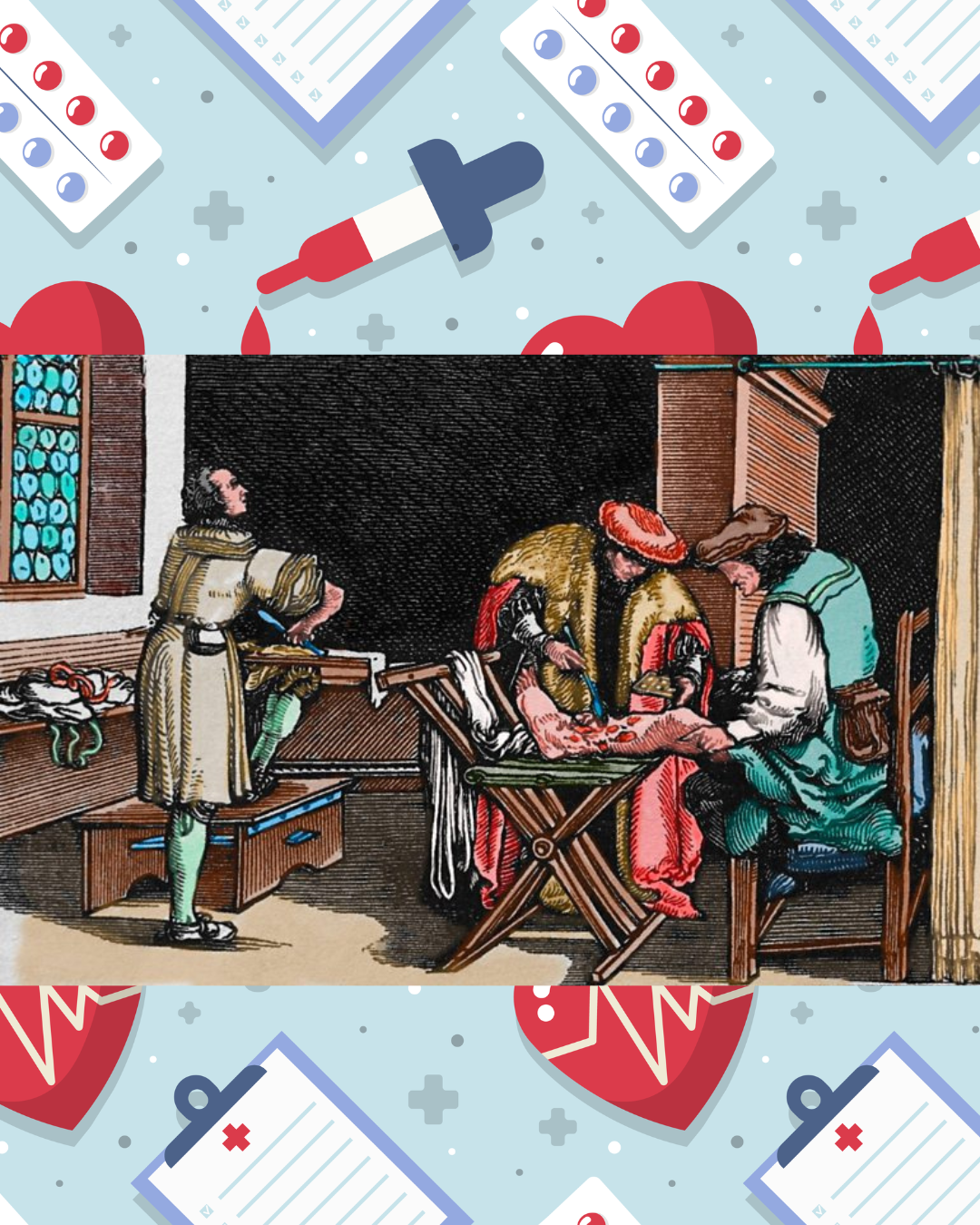
In Tudor England, many procedures were carried out by barber-surgeons-men who quite literally cut hair and amputated limbs in the same space. Most surgeries weren’t performed by highly trained physicians, but by barber-surgeons—yes, the same men who cut hair were also pulling teeth, performing bloodletting, and carrying out minor surgeries.
The iconic barber pole?
Red for blood, white for bandages.
They trained through apprenticeships, not medical school, learning by doing-sometimes successfully, sometimes not.
✨ History, but make it slightly horrifying.
In 1540, Henry VIII established the Company of Barber-Surgeons to bring some order to the chaos, but standards still varied wildly.
Some were skilled. Others were… essentially butchers with better branding.
🔪 The Procedures (Brace Yourself)
And here’s where it gets interesting.
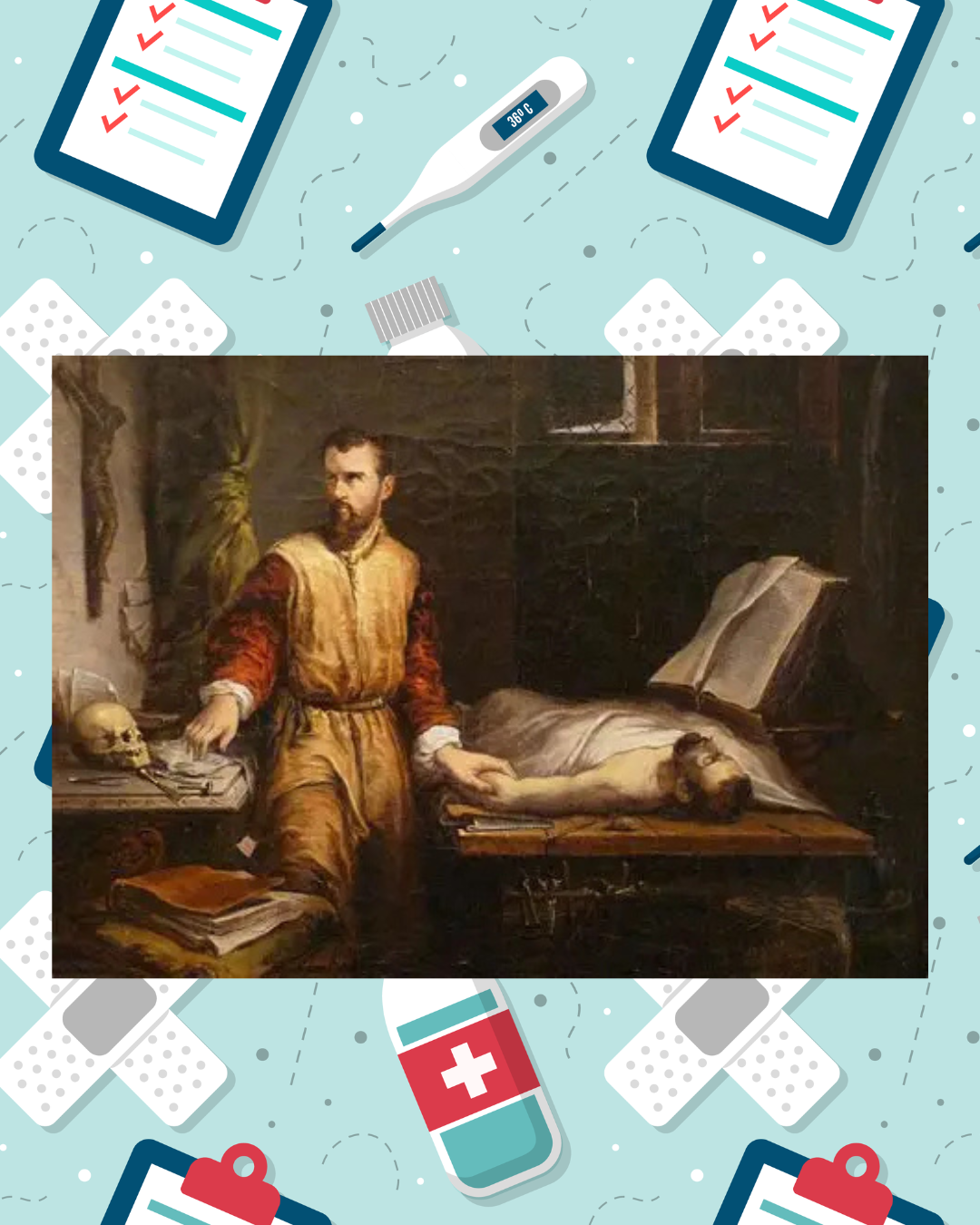
Despite how brutal it all sounds, Tudor surgery was not stagnant. It was evolving—slowly, painfully, but meaningfully. Surgeons were building on classical texts from Galen and Hippocrates, as well as medical knowledge from the Islamic world. Figures like Ambroise Paré began introducing more humane techniques, like tying off blood vessels instead of burning wounds shut.
There was experimentation. There was learning. There was progress.
It just came at a cost.
Since, Tudor surgery was often a last resort, the procedures reflect:
Amputations performed in minutes, without pain relief
Trepanning (drilling into the skull) to release “bad humors”
Bladder stone removal—yes, exactly what you think it is
Cataract “couching”, where a needle pushed the lens out of sight
And the biggest danger? Not the surgery itself.
👉 Infection.
Without sterile tools or clean environments, surgeons often reused instruments, wiping them on their aprons between patients. Survival wasn’t guaranteed—it was luck.
🕯️ The Reality
Operations were performed with crude tools-saws, knives, needles-often unclean and reused. Patients were held down, given alcohol or opium if they were lucky, and expected to endure.
The biggest killer wasn’t always the blade. It was what followed.
Infection. Sepsis.
The silent, invisible threat they didn’t yet understand.
🌍 Not All Was Lost
And yet… this wasn’t a completely stagnant period.
Tudor surgery sat at the intersection of medieval tradition and early modern innovation. Surgeons were drawing on ancient texts from Hippocrates and Galen, while also absorbing knowledge from the Islamic world, including advancements from physicians like Al-Zahrawi and Avicenna.
One of the most important figures of the time, Ambroise Paré, revolutionized surgical practices by introducing gentler treatments and tying off blood vessels instead of cauterizing them.
Slowly, painfully, medicine was evolving.

My now husband holding me up at our rehearsal dinner for our wedding the next day after coming out of one to two surgeries I had hours earlier.
✨ History It Girl Reflection
Moments like this-when life slows you down, when your body reminds you, you’re human-have a way of pulling history closer.
Every time I go through something medical, I have this moment where I think: “We’ve come so far… but also, how did anyone survive before this?”
Tudor surgery reminds us that progress isn’t always graceful. Sometimes it’s messy, painful, and built on trial and error.
And while I love romanticizing the past, you know I do, what with all the gowns, the courts, the drama; but then I remember something like this.
It’s within this one area where I will confidently say:
I am very happy to be a modern woman.
And I think…
I’m good right here.
💄 Sometimes history humbles you. And sometimes… it just makes you really grateful for anesthesia.