💋 Blog Post 5: The Power Move — She Said No
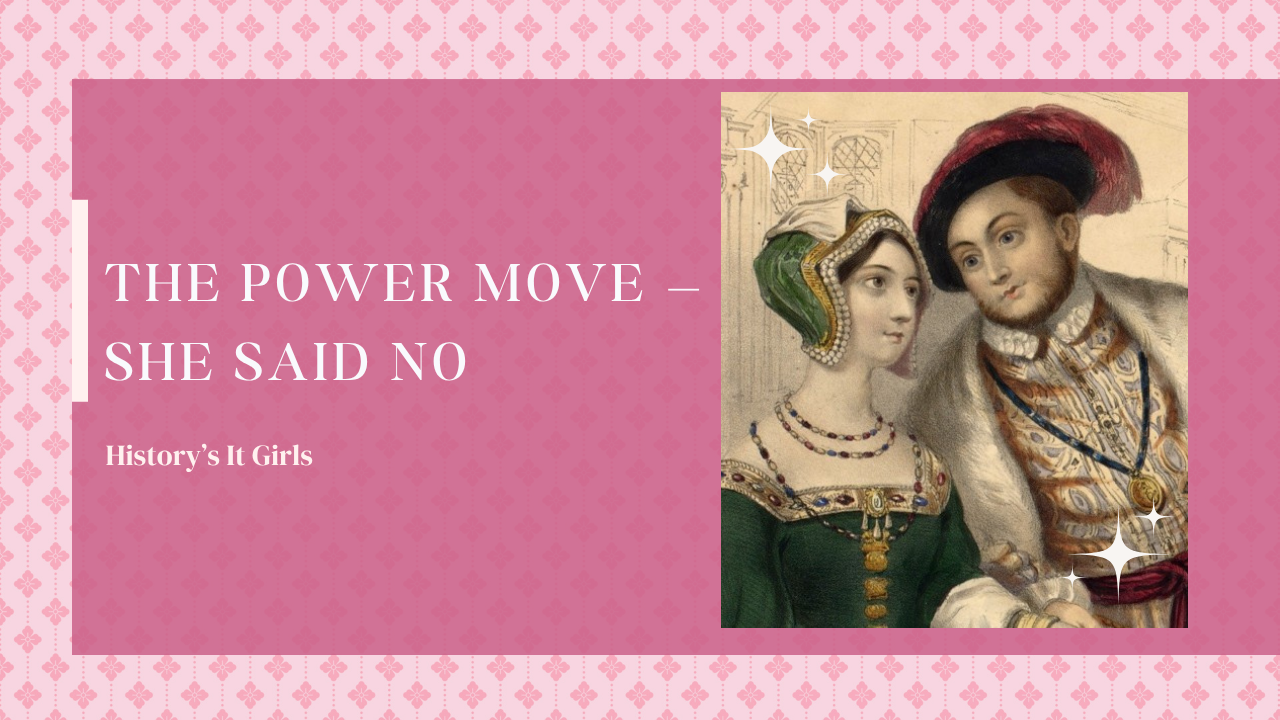
There is a moment in every great love story where everything shifts.
In the story of Anne Boleyn and Henry VIII, this is that moment.
This is where courtly love stops being a game… and becomes a strategy.

💌 The King Who Wrote Love Letters
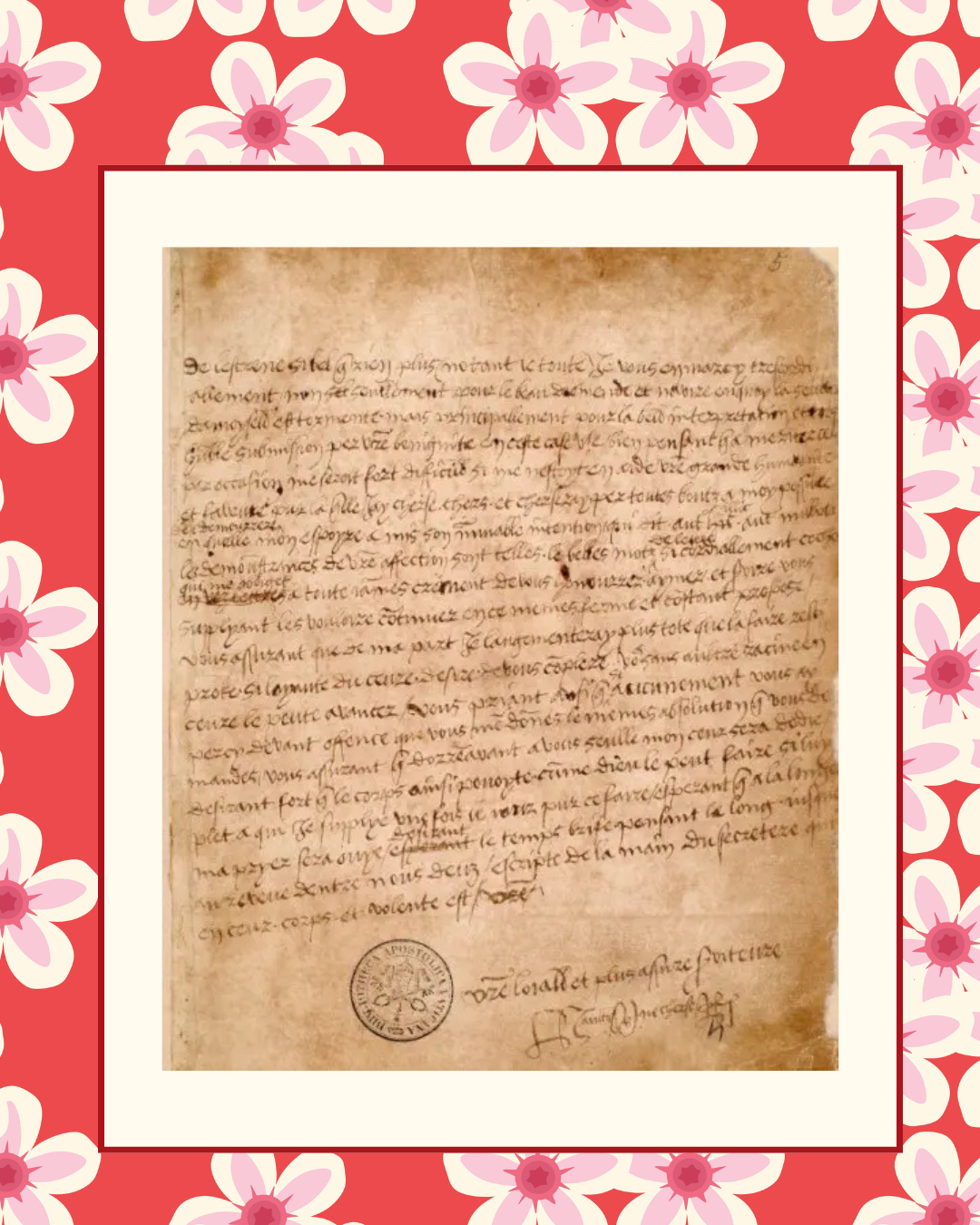
By the mid-1520s, Henry was no longer casually intrigued—he was captivated. His surviving love letters to Anne are among the most intimate royal documents we possess. They reveal a king emotionally exposed:
“I beg to know expressly your intention touching the love between us.”
“Yours forever, H.R.”
These letters—preserved in the Vatican Apostolic Library—show longing, impatience, and a loss of control.
Henry, a king accustomed to obedience, found himself waiting. Wondering. Pursuing
The Offer: Mistress, Not Queen
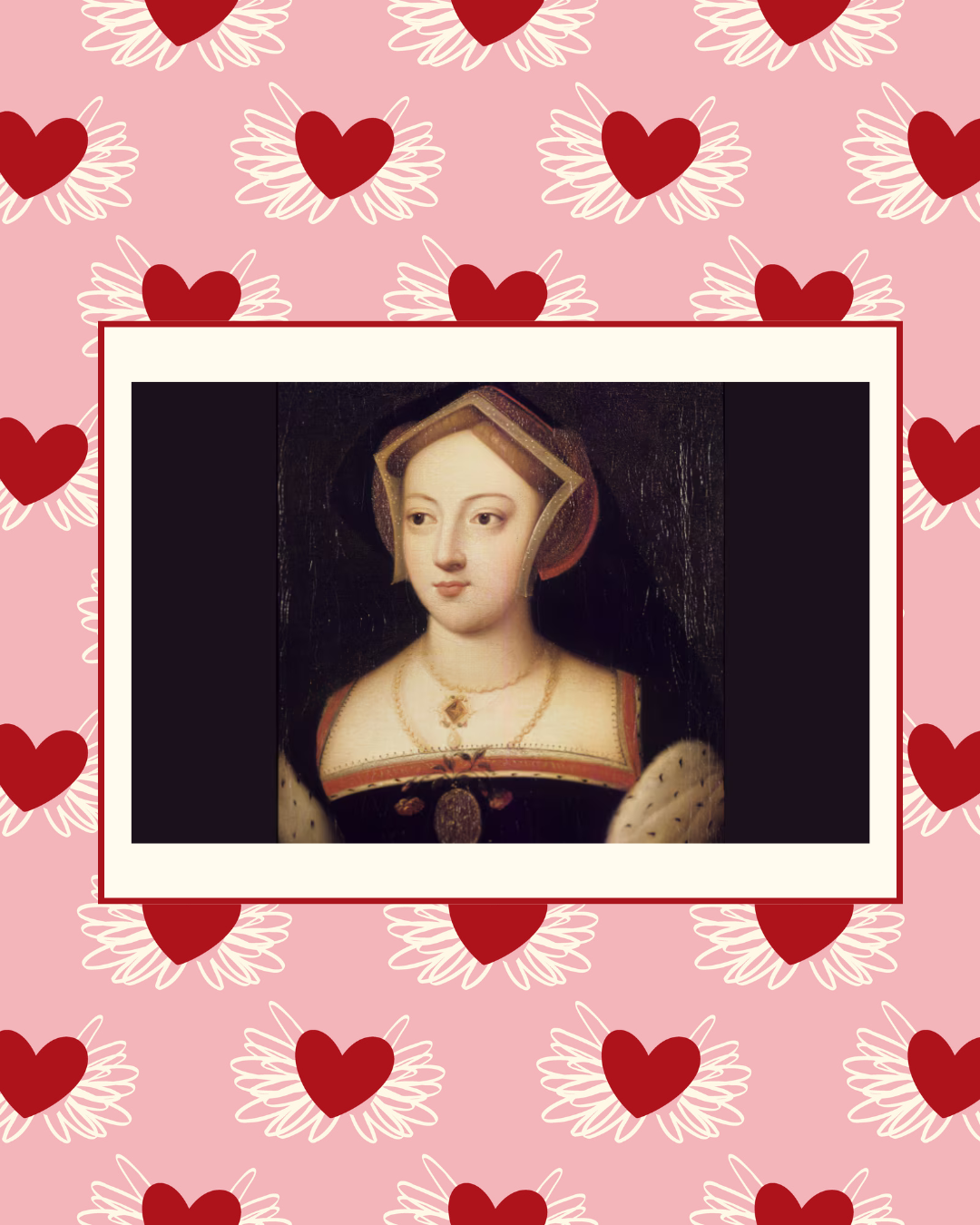
At the Tudor court, the pattern was predictable. Kings had mistresses. Women might resist briefly—but ultimately, they were expected to yield.
Anne’s own sister, Mary Boleyn, had likely already occupied that role.
And Henry offered Anne the same path. It was not a small offer. It meant wealth, influence, and protection—power without the danger of a crown.
For most women, this was the pinnacle.
The Refusal That Changed Everything
Anne said no.
And not in the language of flirtation or delay—but in principle.
According to later accounts, including those recorded by George Cavendish, Anne made clear she would not be “one of the king’s mistresses.”
This was more than a personal decision—it was a structural disruption.
Anne understood courtly love: distance fuels desire. But she pushed it further. She transformed distance into boundary.
Turning Desire into Leverage
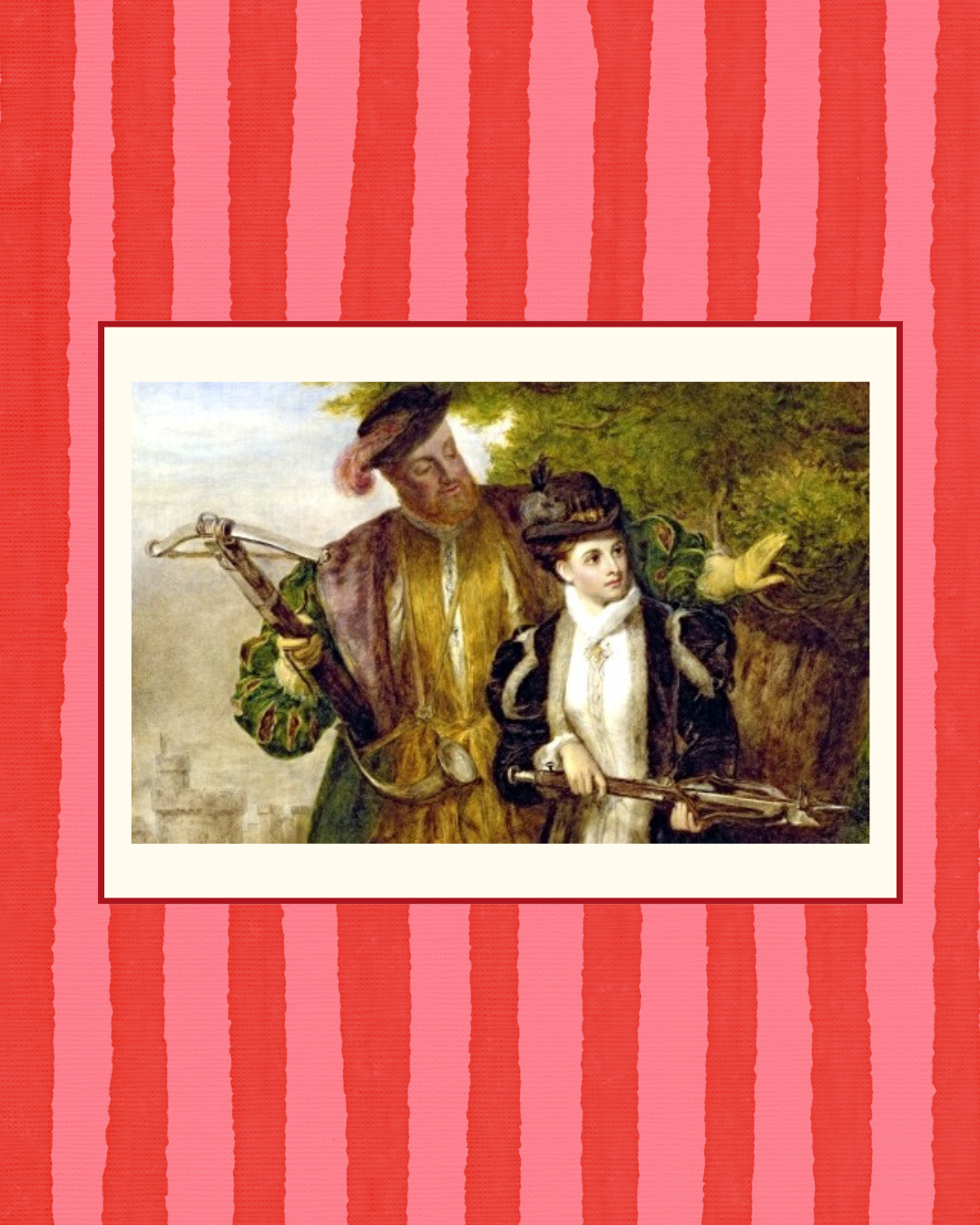
Henry wanted Anne.
But Anne made him need her.
Reports from imperial ambassador Eustace Chapuys describe her growing influence and the king’s increasing fixation. By the late 1520s, it was widely understood that Henry’s “Great Matter”—his desire to annul his marriage to Catherine of Aragon—was tied to Anne.
Her refusal created a problem only she could solve.
Anne did not chase power.
She made power come to her—on her terms.
👑 From Desire to Destiny
Anne did not just delay gratification.
She redefined the outcome.
Where others accepted favor, she demanded legitimacy.
Where others accepted proximity, she claimed position.
A crown.
The result? The English Reformation—a seismic shift in English religious and political life—sparked in part by one woman’s refusal.
💋 The It Girl Takeaway
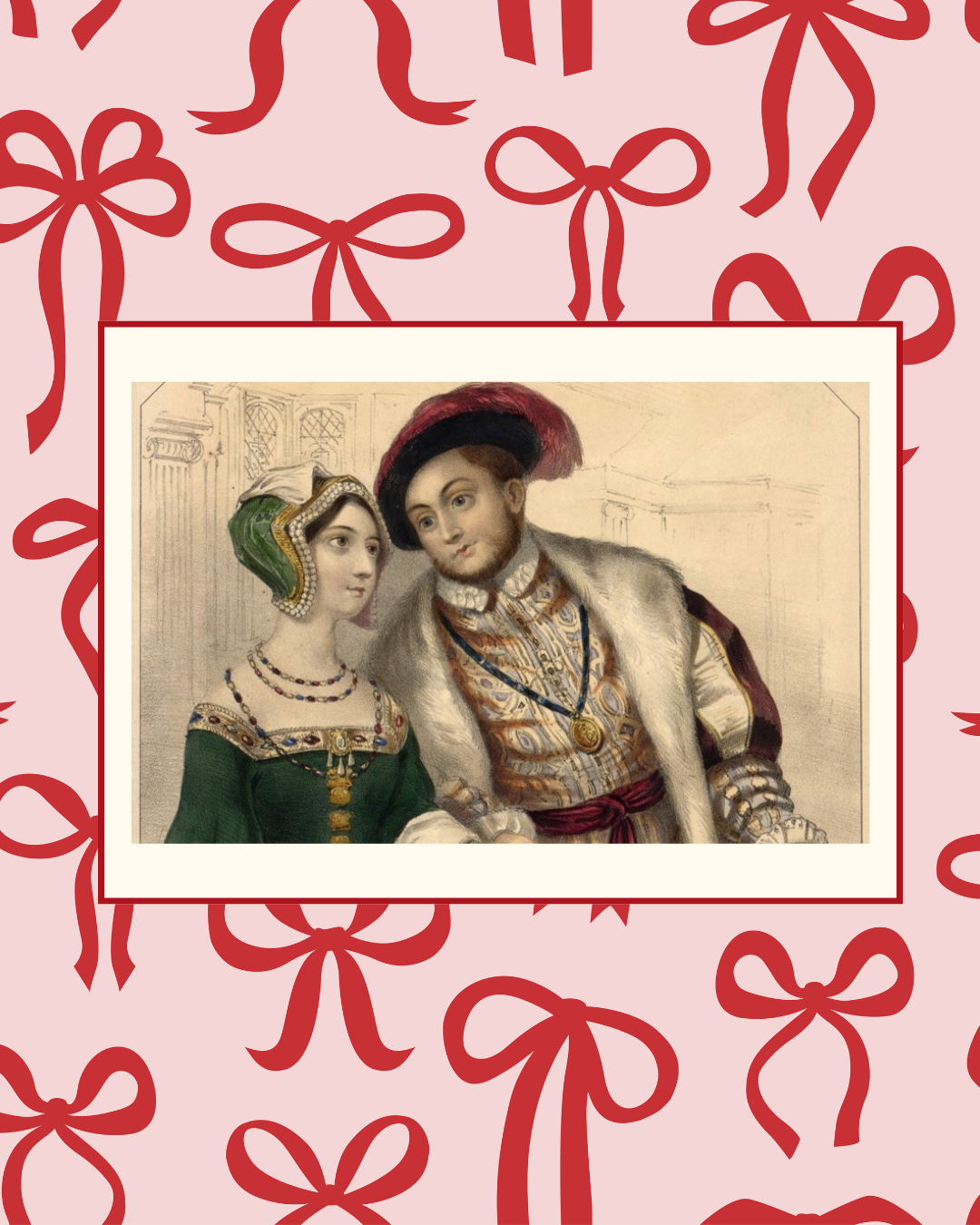
Anne Boleyn’s most powerful move was not seduction.
It was refusal.
✨ Soft power. Hard boundaries.
She understood something timeless: Access is power. And withholding it? Even more so.
History did not just remember her.
It rearranged itself around her.
📜 Primary Sources
Henry VIII’s Love Letters to Anne Boleyn
Held in the Vatican Apostolic Library, these letters reveal Henry’s emotional dependence and pursuit.Letters and Dispatches of Eustace Chapuys
Detailed diplomatic reports describing Anne’s rise and Henry’s obsession.The Life of Cardinal Wolsey by George Cavendish
Provides insight into court dynamics and perceptions of Anne’s refusal.State Papers of Henry VIII
Official documents that trace the political consequences of Henry’s pursuit of Anne.
📚 Further Reading
Academic & Scholarly
The Life and Death of Anne Boleyn – The definitive scholarly biography
The Six Wives of Henry VIII – Rich narrative with strong source grounding
The King's Great Matter – Deep dive into the annulment crisis
Accessible & Engaging
Anne Boleyn: A King's Obsession – A vivid, character-driven retelling
The Other Boleyn Girl – Popular but dramatized perspective
✨ Next in the series… we deal with the aftermath: what happens when the girl who changed the game becomes the queen who must survive it.