🎭 April Fools at the Tudor Court: But Make It Real
April Fools’ Day has us all thinking about jokes, pranks, and who gets to be “the fool”… but what did that actually mean in history?
Because in the Tudor world, being a “fool” wasn’t about being dismissed. Sometimes, it meant being closer to power than almost anyone else in the room.
👑 Where Did Court Fools Even Come From?
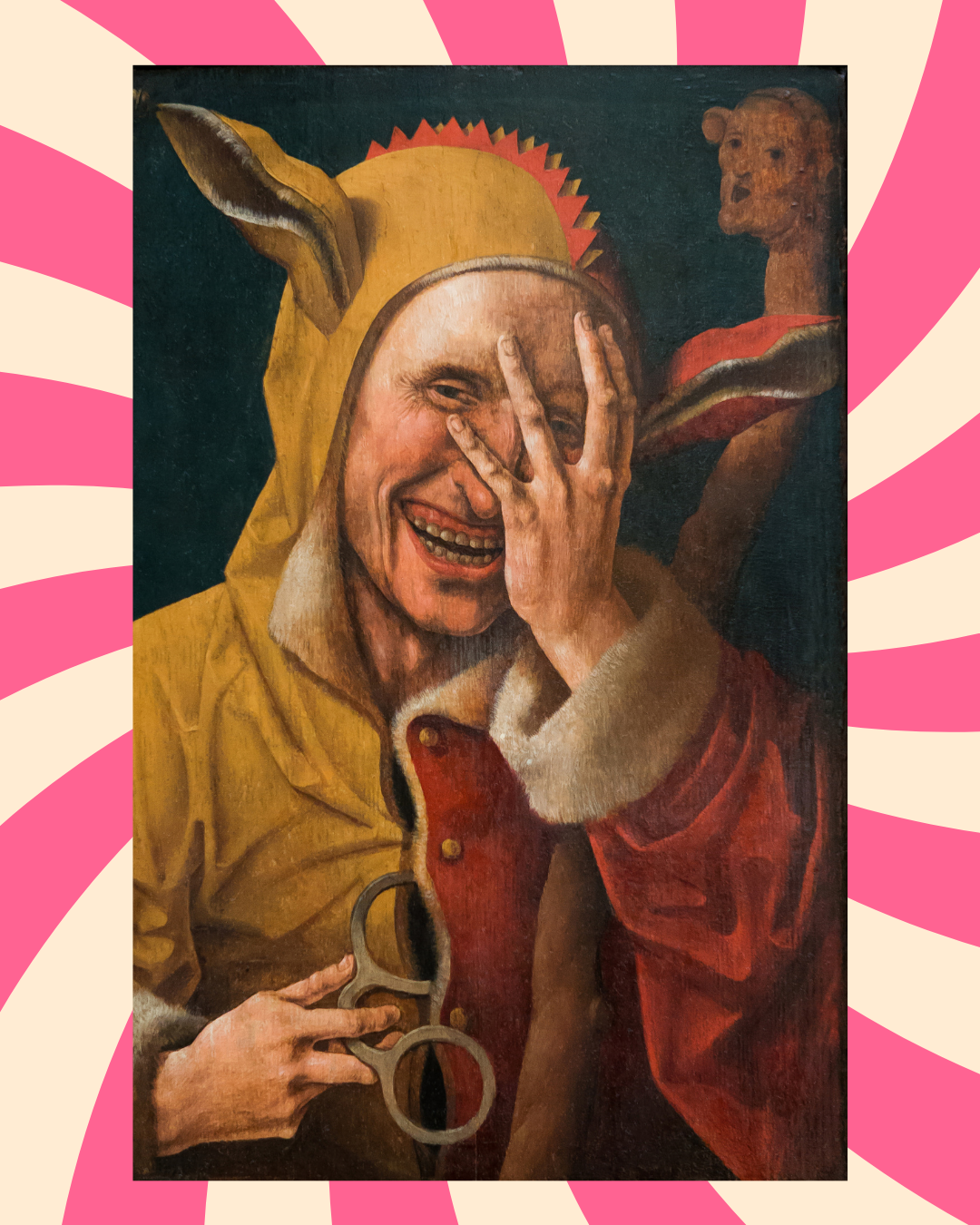
The role of the “fool” didn’t start with the Tudors-it goes back to medieval European courts, where kings and nobles kept jesters for entertainment, commentary, and, at times, truth-telling.
By the late Middle Ages and into the 16th century, this role had evolved into something more defined. Courts across Europe, including England, recognized different types of fools-particularly “artificial fools” (performers) and “natural fools,” individuals with intellectual disabilities who were believed to possess a kind of innocent honesty and spiritual closeness to truth.
By the time of Henry VIII, the court fool was no longer just comic relief-they were part of the fabric of court life.
💬 Speaking Truth to Power
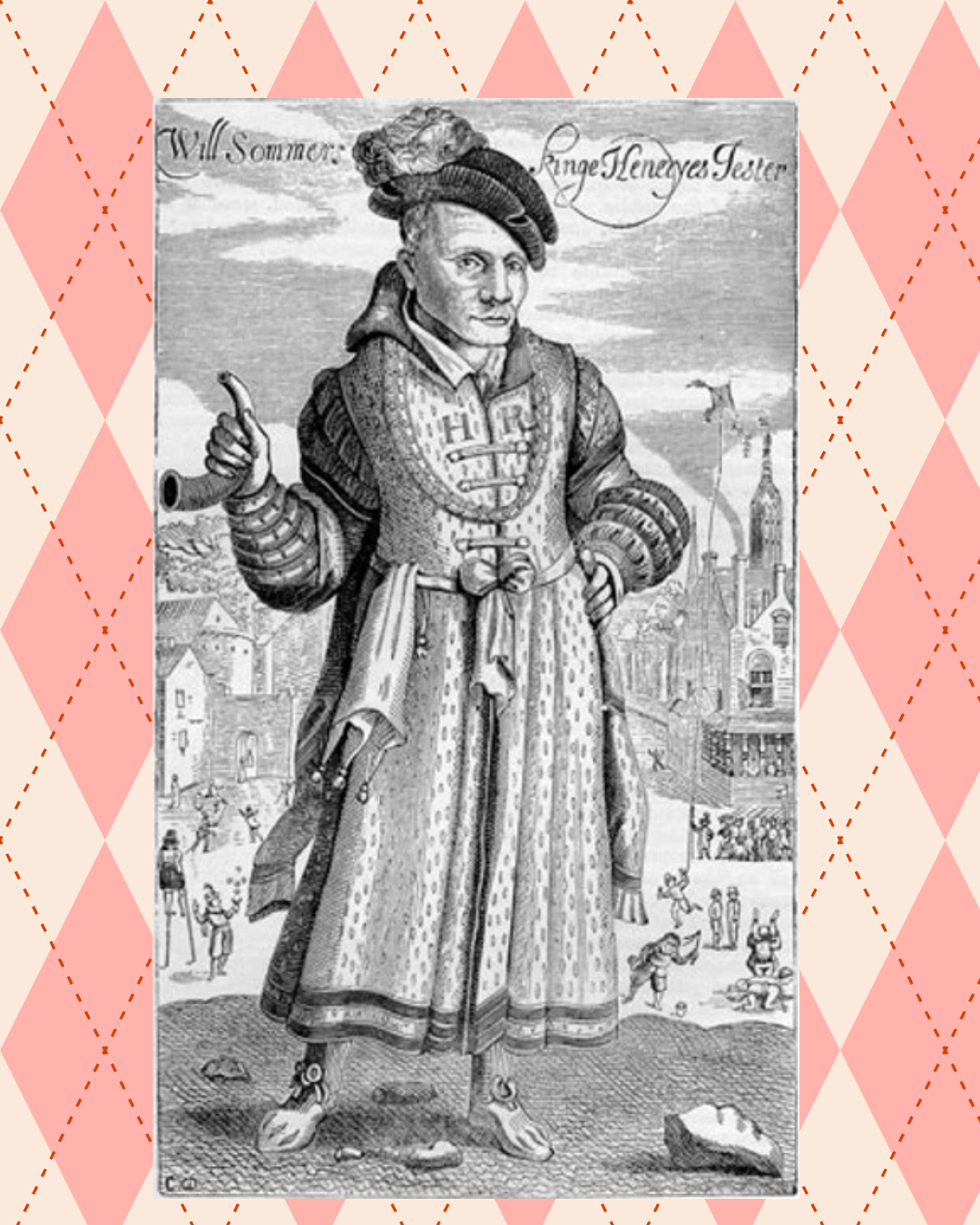
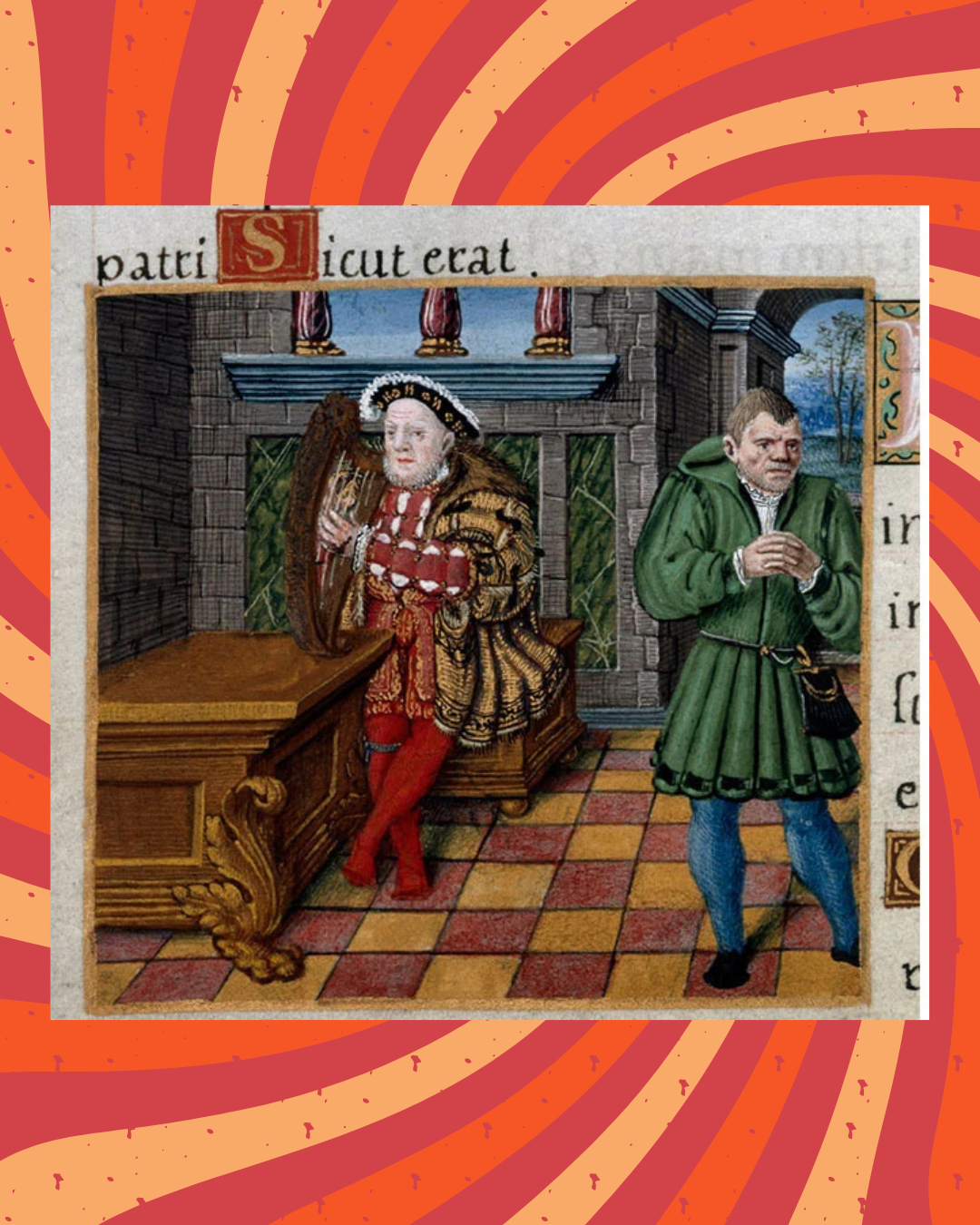
One of the most famous was Will Somer.
Somer had something rare in the Tudor court:
👉 the freedom to say what others could not
Through humor, he could point out corruption, mock those in power, and even gently challenge the king himself. And instead of punishment, he was rewarded with favor.
✨ Imagine a world where the only person who could tell the king the truth… was the “fool.”
👑 Anne Boleyn & Jane the Fool
And this wasn’t just Henry’s world.
At the court of Anne Boleyn, we see another fascinating figure: Jane the Fool.
Jane served not only Anne, but later Mary I of England and Katherine Parr, moving through the highest levels of Tudor society.
She was:
Richly clothed at court expense
Carefully maintained and looked after
Fully present within royal spaces
Jane wasn’t hidden away-she was part of the queen’s household, woven into daily life and court culture.
💎 Not Just Entertainers
These “natural fools” occupied a unique position. They were:
Protected and cared for
Given status within elite households
Valued for their directness, humor, and honesty
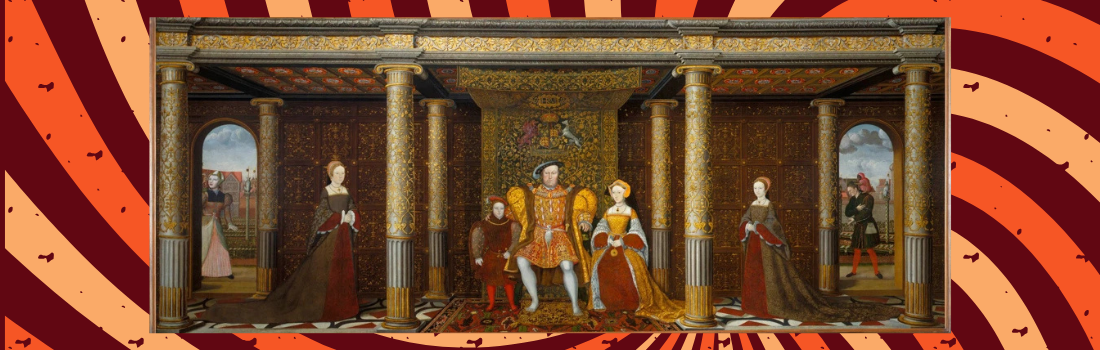
In royal portraits, figures like Will Somer and Jane appear alongside the Tudor family-not as outsiders, but as part of the inner circle.
🎀 History It Girl Take
So this April Fools’ Day, here’s your reframe:
Being “the fool” in Tudor England didn’t always mean being the joke.
Sometimes, it meant:
💄 having access
💄 having protection
💄 and having the boldest voice in the room
And honestly? That’s not foolish at all.