History’s It Girl: What Is an “It Girl” — and Why History Is Full of Them
We throw the term around easily now — It Girl.
She’s stylish. Magnetic. Confident. The moment.
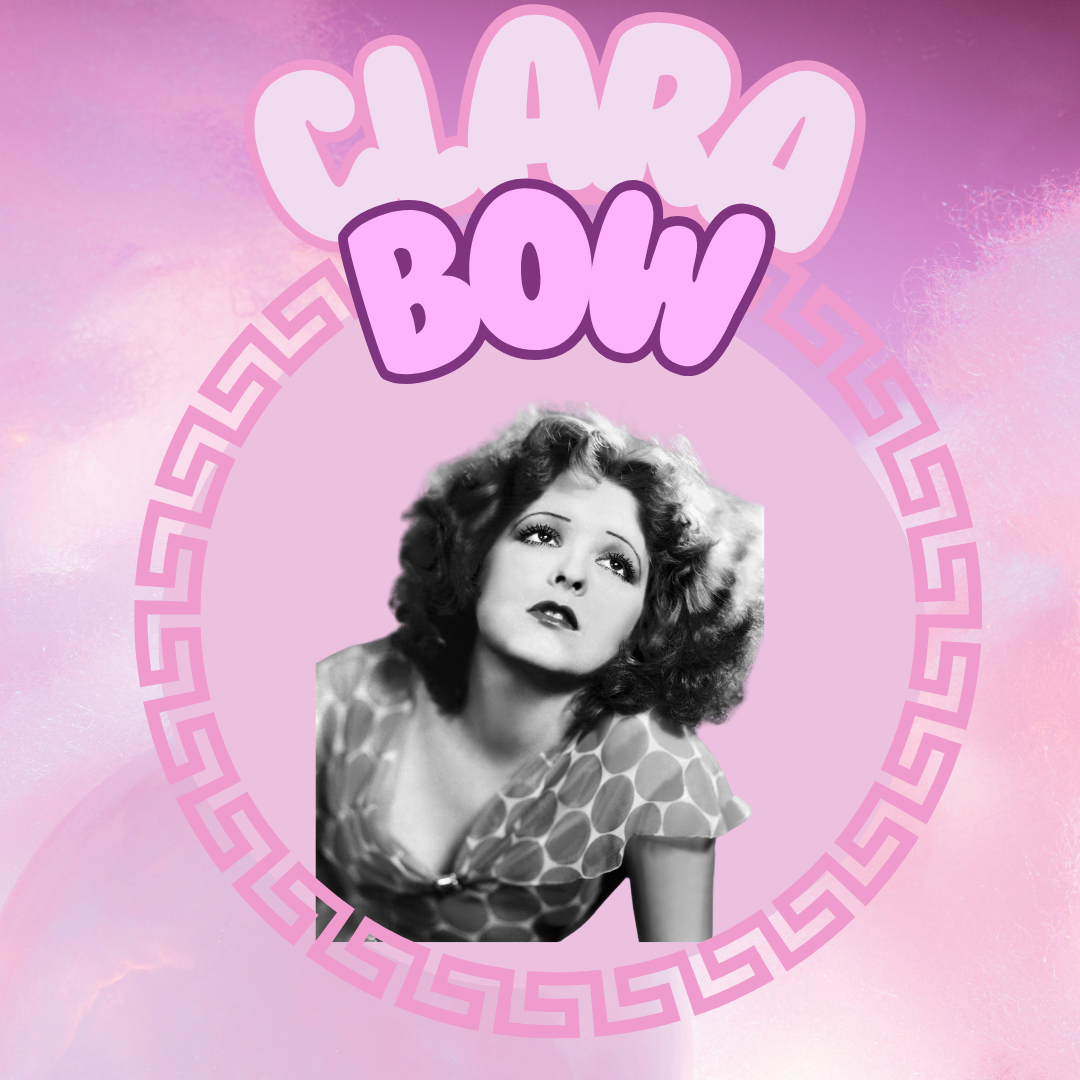
But the phrase actually traces back to Clara Bow, Hollywood’s 1920s film star who was quite literally branded “The It Girl” after starring in the 1927 film It. “It,” at the time, meant an indefinable magnetism — a quality that drew people in. Not just beauty. Not just status. But presence.
So what is an It Girl?
An It Girl is a woman who shapes culture — sometimes intentionally, sometimes simply by being fully herself. She shifts conversations. She influences style, politics, art, power structures. People watch her. React to her. Talk about her.
And long before Hollywood, history was full of them.
The Original It Girls
An It Girl doesn’t need Instagram. She needs impact.
Take Anne Boleyn — a woman whose style, wit, and reformist ideas helped alter the religious landscape of England. Whether loved or loathed, she commanded attention. Her choices reshaped a kingdom.
Or Mary, Queen of Scots — charismatic, controversial, multilingual, and politically significant across three kingdoms. She was watched constantly. Judged constantly. And still undeniably central to the drama of her age.
Or even further back: Cleopatra — a ruler whose intelligence, political strategy, and theatrical presence made her unforgettable in the ancient world.
These women were not flawless. They were not universally admired.
But they were magnetic. And they moved history.
Why We Still Care
Here’s the deeper question:
Why does it matter?
Because history gives us more than dates and battles. It gives us blueprints of courage, cautionary tales, ambition, resilience, and reinvention.
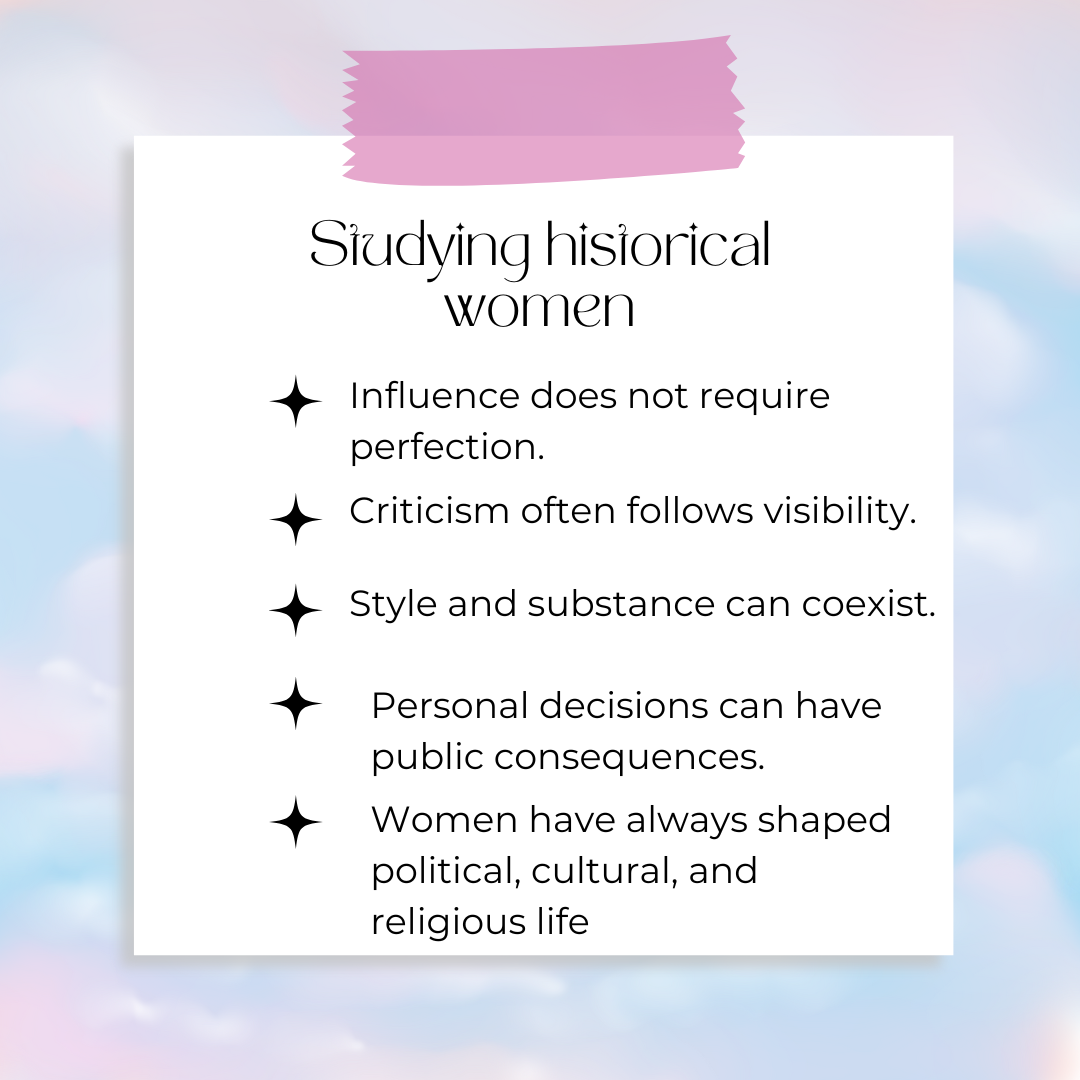
Studying historical women — especially the ones who refused to be invisible — reminds us:
Influence does not require perfection.
Criticism often follows visibility.
Style and substance can coexist.
Personal decisions can have public consequences.
Women have always shaped political, cultural, and religious life — even when records tried to minimize them.
An It Girl in history wasn’t always trying to “build a brand.”
She was navigating survival, power, motherhood, ambition, love, faith, and politics — often simultaneously.
Sound familiar?
What We Can Take From Them

Inspiration from history isn’t about imitation.
It’s about recognition.
When we look at women across centuries, we see:
Reinvention after failure
Grace under scrutiny
Intellectual ambition
Strategic thinking
Emotional resilience
Bold self-presentation
We also see the consequences of miscalculation, the weight of public opinion, and the cost of power. History is honest in a way modern branding rarely is.
And that’s what makes it useful.
Being an It Girl — Historically and Now
An It Girl isn’t just someone admired.
She’s someone who participates in shaping her world.
Sometimes that’s through scholarship.
Sometimes through leadership.
Sometimes through faith.
Sometimes through creativity.
And sometimes simply through refusing to disappear.
History’s It Girls remind us that cultural influence didn’t begin in the 20th century. Women have always been central to movements, reformations, revolutions, courts, and communities.
They were the conversation — even when they weren’t allowed to control the narrative.
So maybe the better question isn’t “Who was the It Girl?”
Maybe it’s:
What does it look like to carry that same presence, conviction, and intellectual depth into our own time?
History doesn’t just give us icons.
It gives us inheritance.