The Love That Built a Dynasty: John of Gaunt & Katherine Swynford
Before there were Tudors.
Before Bosworth.
Before Henry VII.
There was a scandal.
John of Gaunt and Katherine Swynford share one of the most extraordinary love stories in medieval England — a relationship that began in controversy and ended by reshaping the English throne itself.
And if you think this has nothing to do with the Tudors… think again.
Because this is where they begin.
The Prince and the Governess
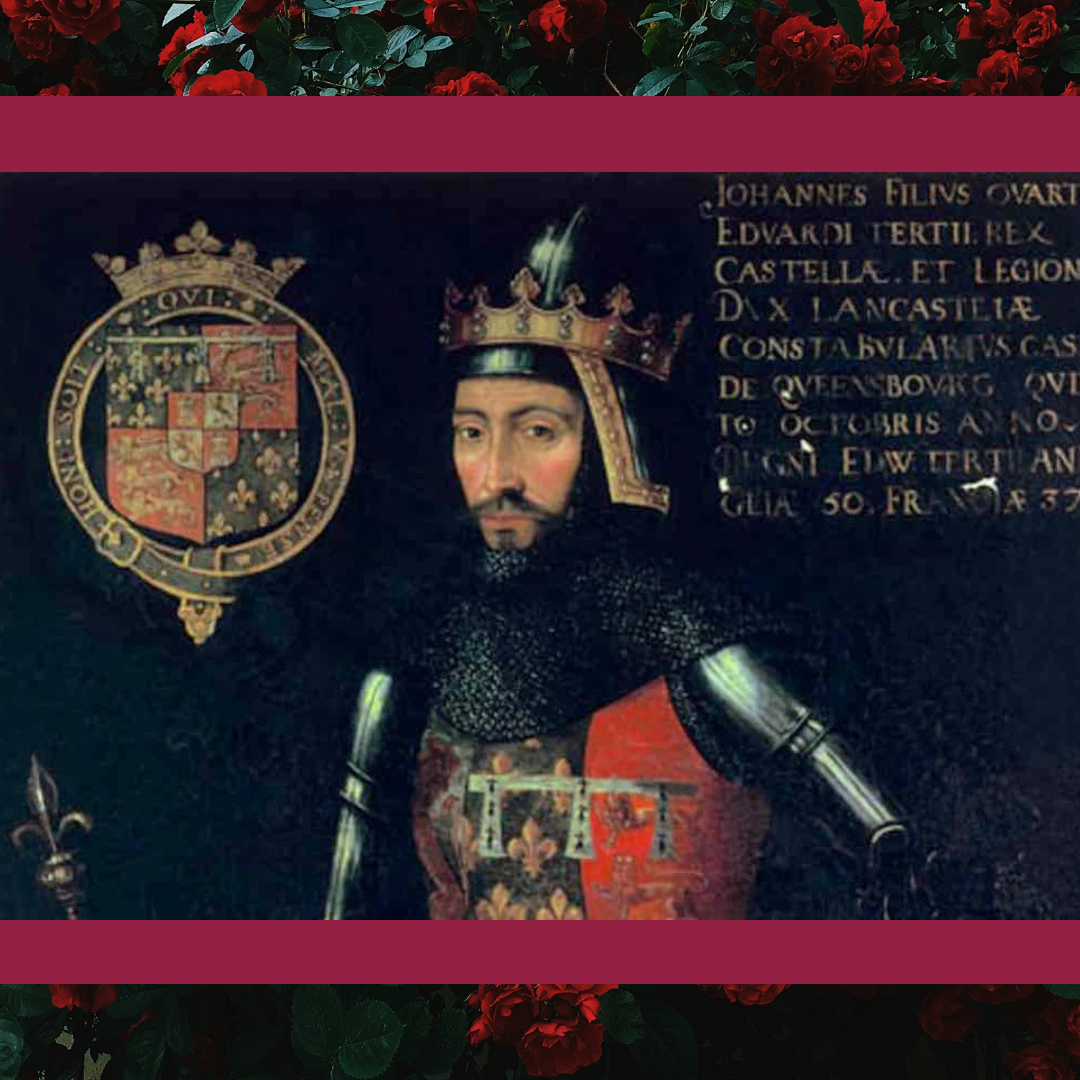
John of Gaunt was not just another nobleman. He was the Duke of Lancaster, son of Edward III, one of the wealthiest and most powerful men in Europe. His lands rivaled the crown’s income. His political influence stretched across England and into continental claims.
Yet for all his power, history remembers him as much for love as for war.
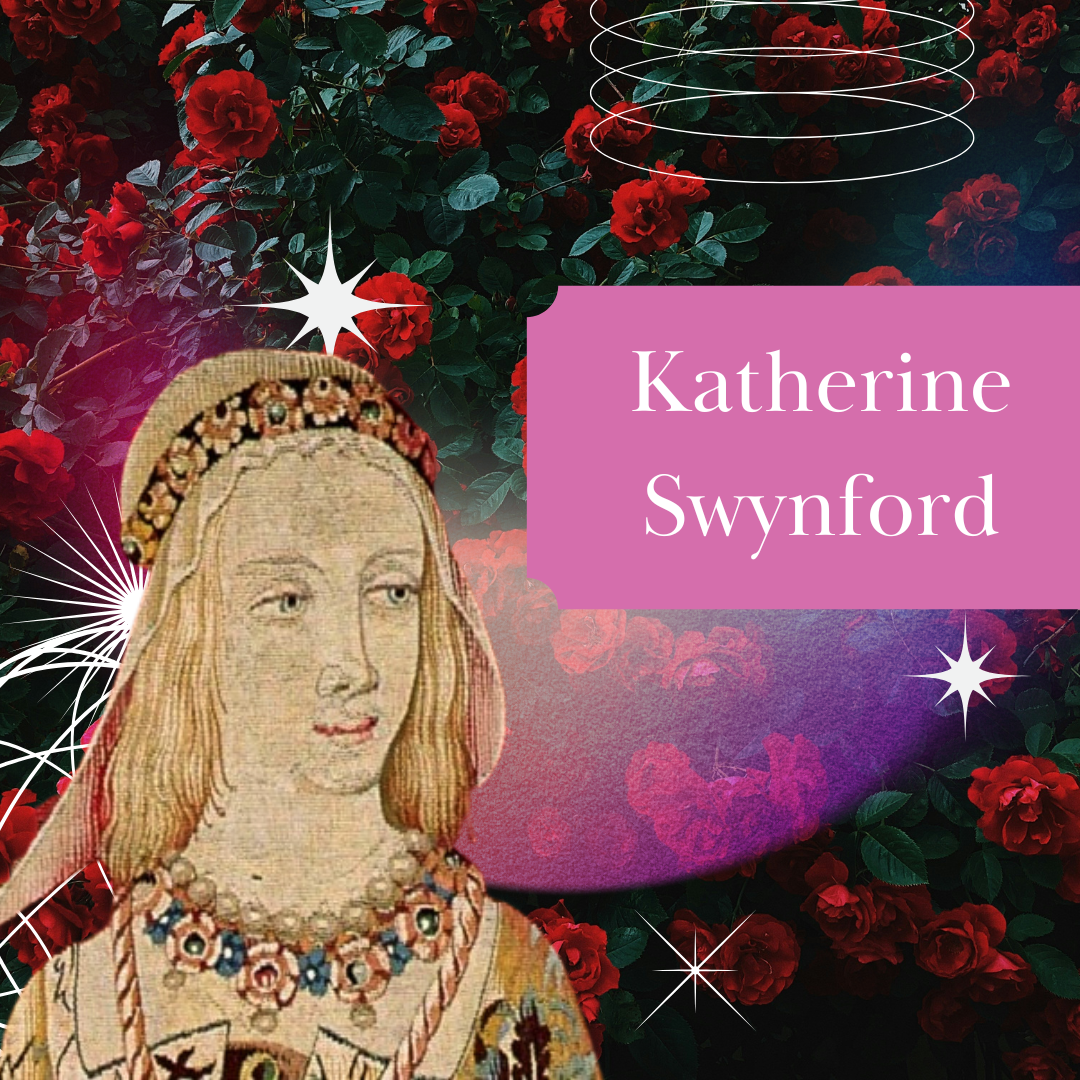
Enter Katherine Swynford.
She was the daughter of a minor knight from Hainault. Noble — but not powerful. Connected — but not wealthy. She served in the household of John’s first wife, Blanche of Lancaster, and later became governess to the Lancastrian children.
A trusted position.
A visible position.
A dangerous position.
When Katherine was widowed in 1371, her financial future was uncertain. Around this time, her relationship with John shifted. What began as proximity within the household turned into one of the most talked-about affairs of the late 14th century.
Scandal in Silk
Their relationship was not subtle.
John of Gaunt
They had four children together — John, Henry, Thomas, and Joan — later known as the Beauforts. These children were openly acknowledged but born outside of marriage. And in medieval England, illegitimacy carried consequences.
Chroniclers condemned Katherine. Parliament whispered. Political enemies used her as ammunition.
One hostile writer even accused her of bewitching the duke — a familiar charge leveled at women whose influence seemed too strong to explain.
At the same time, John’s political reputation was deteriorating. During the Peasants’ Revolt of 1381, his Savoy Palace in London was burned to the ground by rebels who saw him as the embodiment of corruption and oppression.
In the aftermath, John publicly renounced Katherine to protect his political standing.
She retreated.
But the story didn’t end there.
Separation. Then Shock.
For over a decade, they lived apart — though he continued to support her financially.
Then in 1394, John’s second wife, Constance of Castile, died.
And in 1396, in a move that stunned England, John married Katherine.
The once-scandalous mistress became Duchess of Lancaster.
Even more dramatically, their children were formally legitimized by papal bull under Pope Boniface IX. The Beauforts were declared legitimate — with one critical caveat:
They were barred from claiming the throne.
History, of course, rarely respects caveats.
The Line That Changed Everything
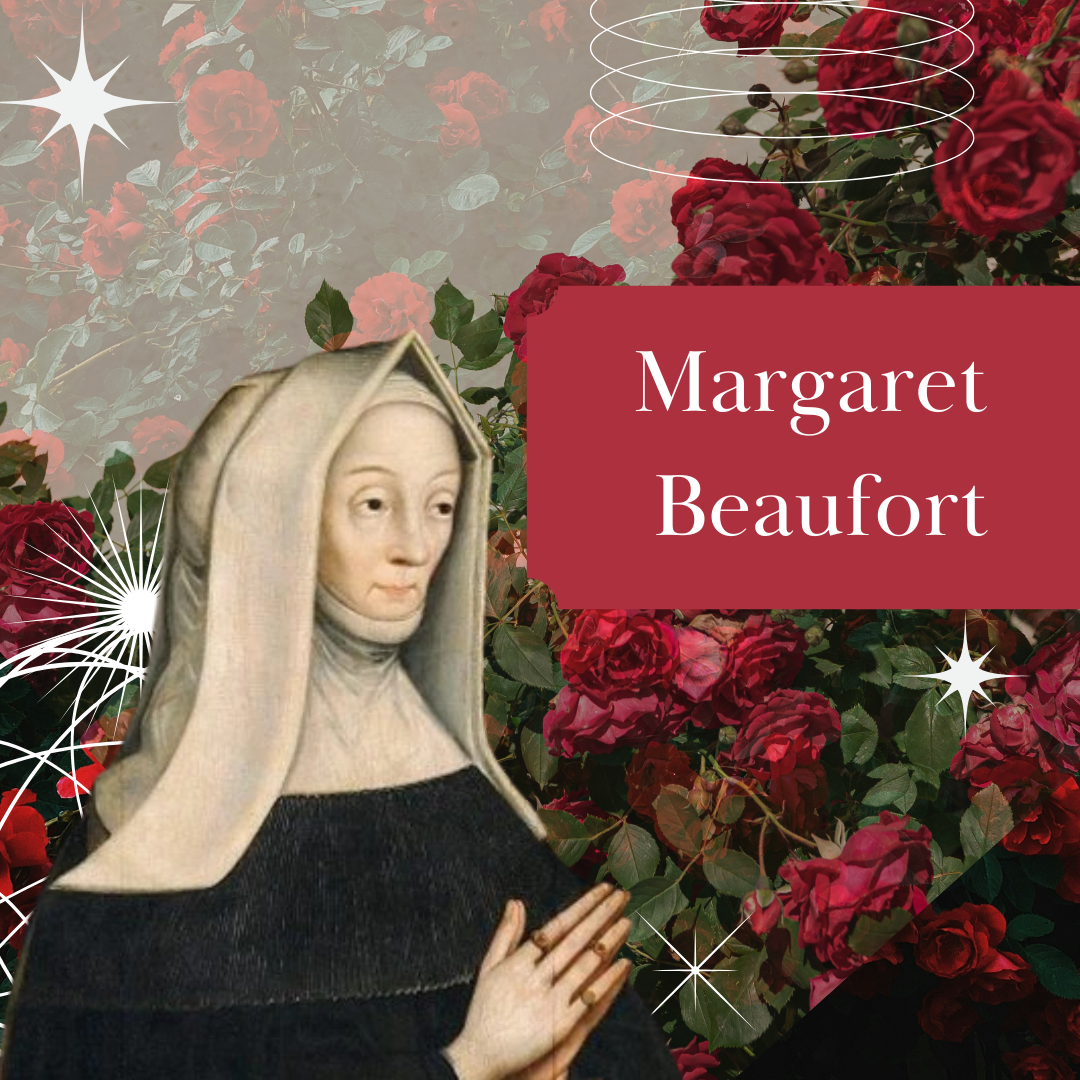
Through their eldest son, John Beaufort, came a granddaughter named Margaret Beaufort.
And through Margaret came a son named Henry Tudor.
In 1485, at the Battle of Bosworth, Henry defeated Richard III and became Henry VII — the first Tudor monarch.
The Tudor dynasty — the line of Henry VIII, Mary I, and Elizabeth I — traces its legitimacy through Margaret Beaufort back to John of Gaunt and Katherine Swynford.
An affair once condemned in Parliament became the foundation of a royal dynasty.
The papal restriction barring the Beauforts from the throne? Politically inconvenient.
Margaret Beaufort’s ambition — and her son’s victory — rendered it irrelevant.
Why This Matters (History’s It Girl Lens)
Katherine Swynford was not a queen.
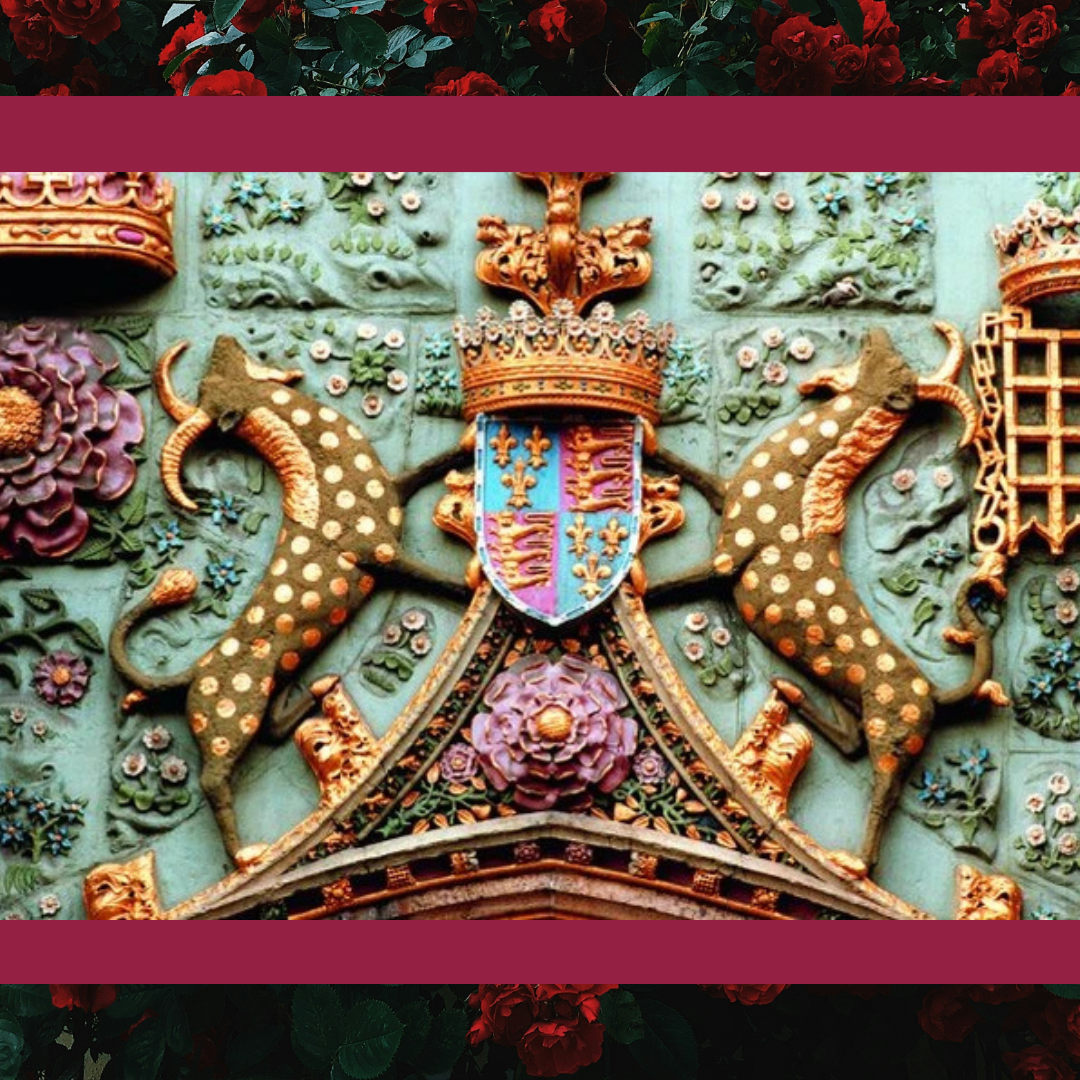
Beaufort Coat of Arms
She was not born into enormous wealth.
She was not expected to shape dynastic history.
Yet her life reminds us of something powerful: private relationships can alter public futures.
She endured scandal, exile, slander, and political backlash. And in the end, she became Duchess of Lancaster — respected, secure, and foundational to the Tudor claim.
John and Katherine’s story is not a fairy tale.
It is a study in:
Power and vulnerability
Reputation and resilience
Illegitimacy and legitimacy
Love intersecting with politics
Without Katherine Swynford, there is no Margaret Beaufort.
Without Margaret, there is no Tudor dynasty.
Sometimes the women history sidelines are the ones who quietly shape its direction.
And that is why she belongs in History’s It Girls.
Further Reading
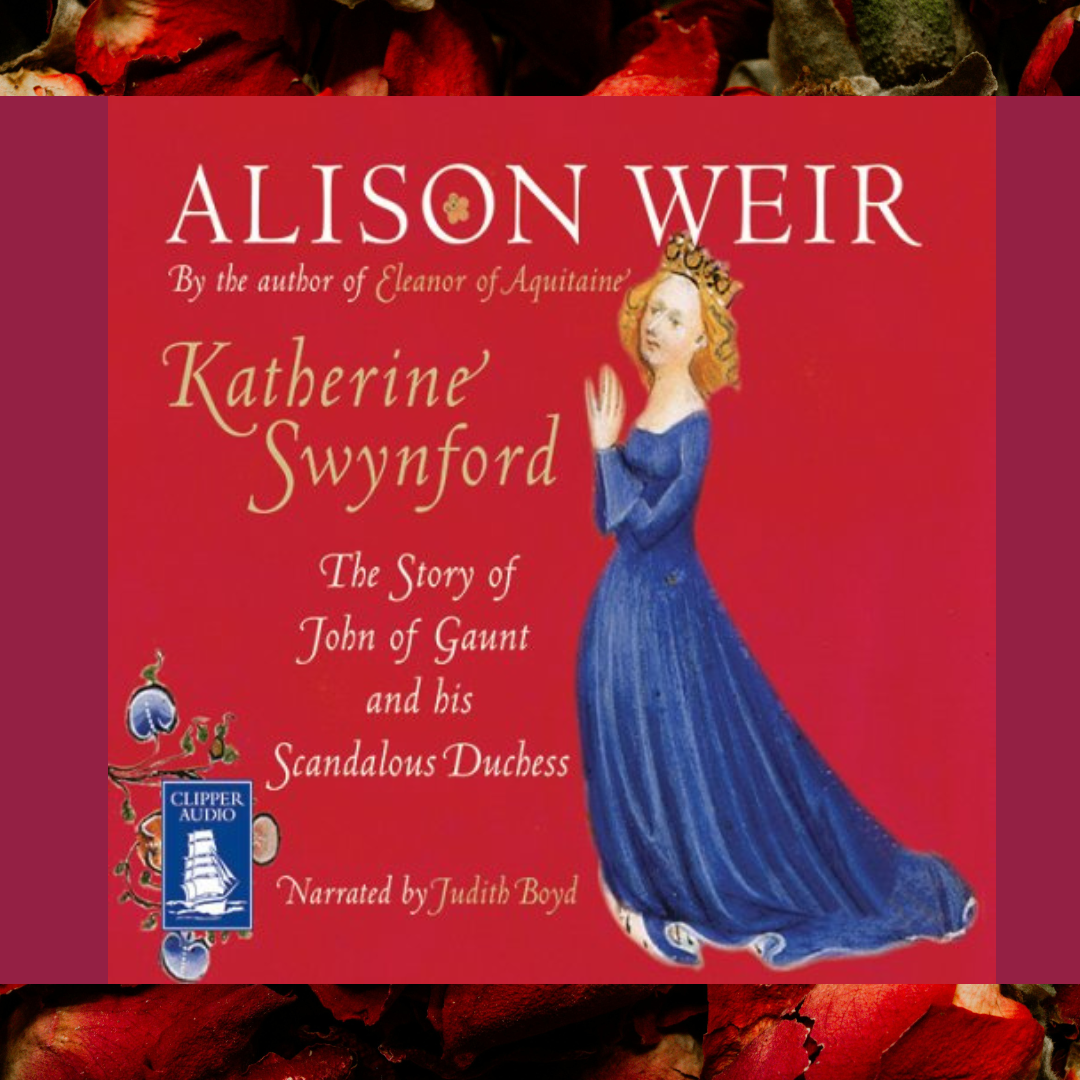
If you’d like to explore her life in greater depth, Alison Weir’s Mistress of the Monarchy: The Life of Katherine Swynford, Duchess of Lancaster offers a detailed narrative account.
Because sometimes the most consequential love stories begin as scandal… and end as dynasty.