The Bunniest Power Move: How the Tudors Made Bread Iconic
There are power moves…
And then there are Tudor-level power moves.
Because somehow, in the middle of religious upheaval, global trade expansion, and royal drama, the Tudors did something unexpected:
They turned a simple piece of bread into a cultural icon.
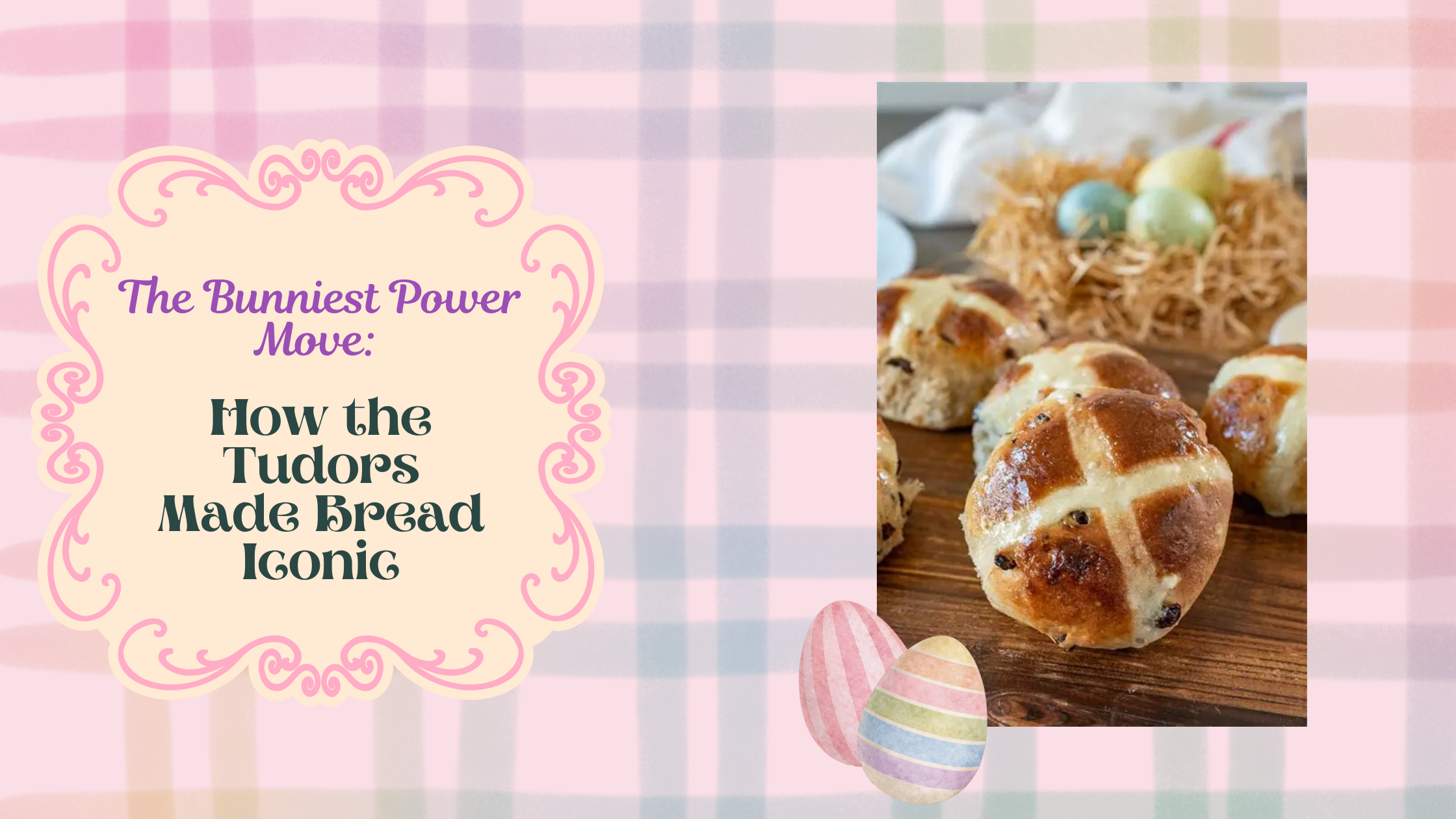
Enter: the hot cross bun.
Soft. Spiced. Marked with a cross.
And carrying far more meaning than its humble appearance suggests.
✝️ The Original Symbol: Faith You Could Hold
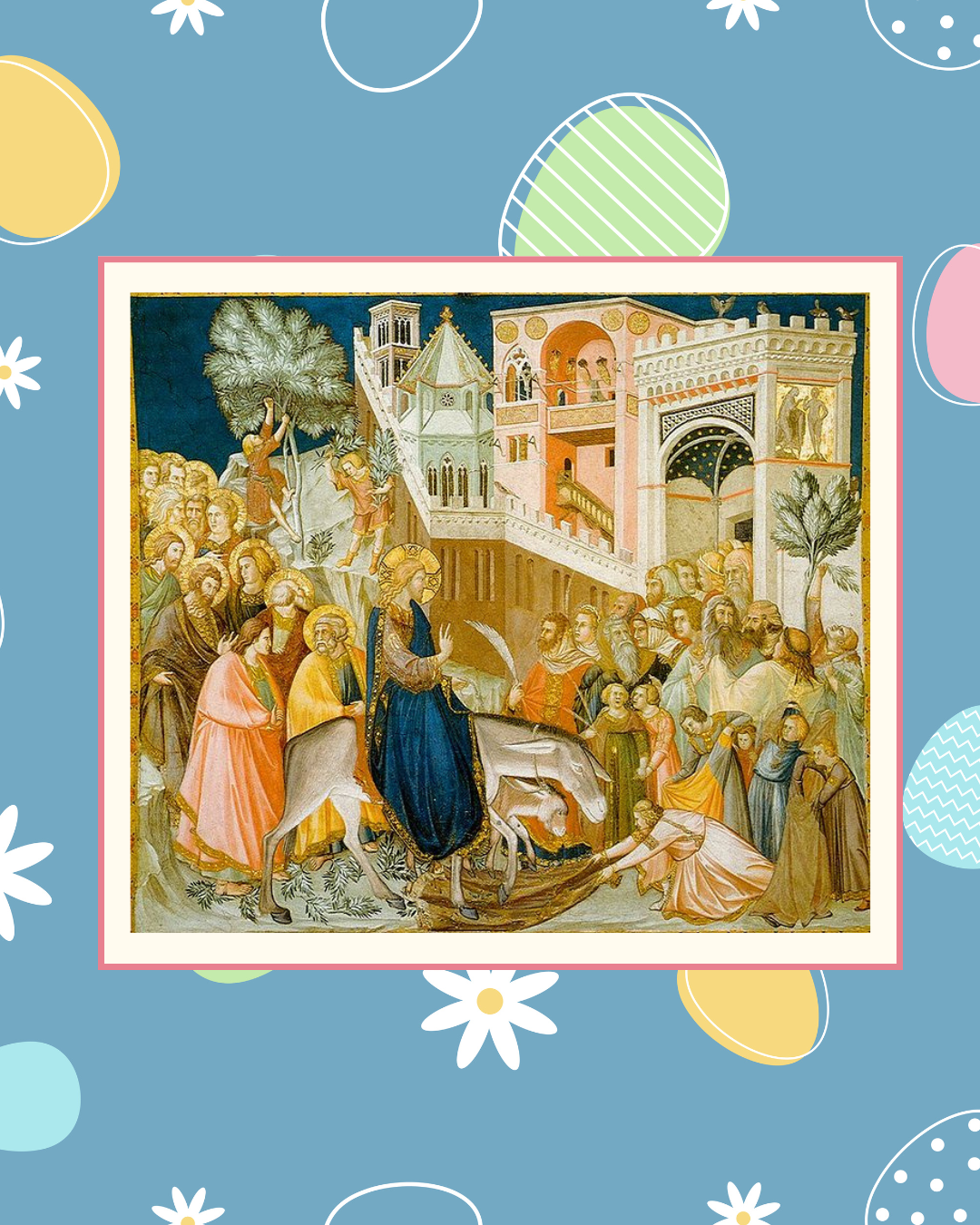
Long before the Tudors elevated it, the hot cross bun already held deep significance.
In the Middle Ages, these buns became associated with the Christian Easter festival. Each one was marked with a cross-representing the crucifixion of Jesus Christ-but the symbolism didn’t stop there:
The cross could represent the four evangelists
Or the four corners of the world
A reminder that the story of Easter reached everywhere
This wasn’t just food.
It was theology, baked into bread.
The Tudor Glow-Up: Enter Spice, Sugar, and Status

Then came the Tudors-and everything changed.
During the reign of Henry VIII, England became increasingly connected to global trade networks. Spices that had once been rare luxuries began arriving in greater quantities:
Cinnamon
Cloves
Nutmeg
Pepper
And Tudor cooks didn’t hold back.
They transformed the hot cross bun from simple to sensory experience:
Sweetened dough (thanks to rising sugar availability)
Dried fruits like currants
Rich spice blends that added warmth and complexity
Cinnamon, especially, became a defining flavor-fragrant, comforting, and just indulgent enough to signal status.
Because in Tudor England, using spice wasn’t just about taste.
It was about wealth, access, and sophistication.
Spice With Meaning
Here’s where it gets even better-because the Tudors didn’t just make things taste good.
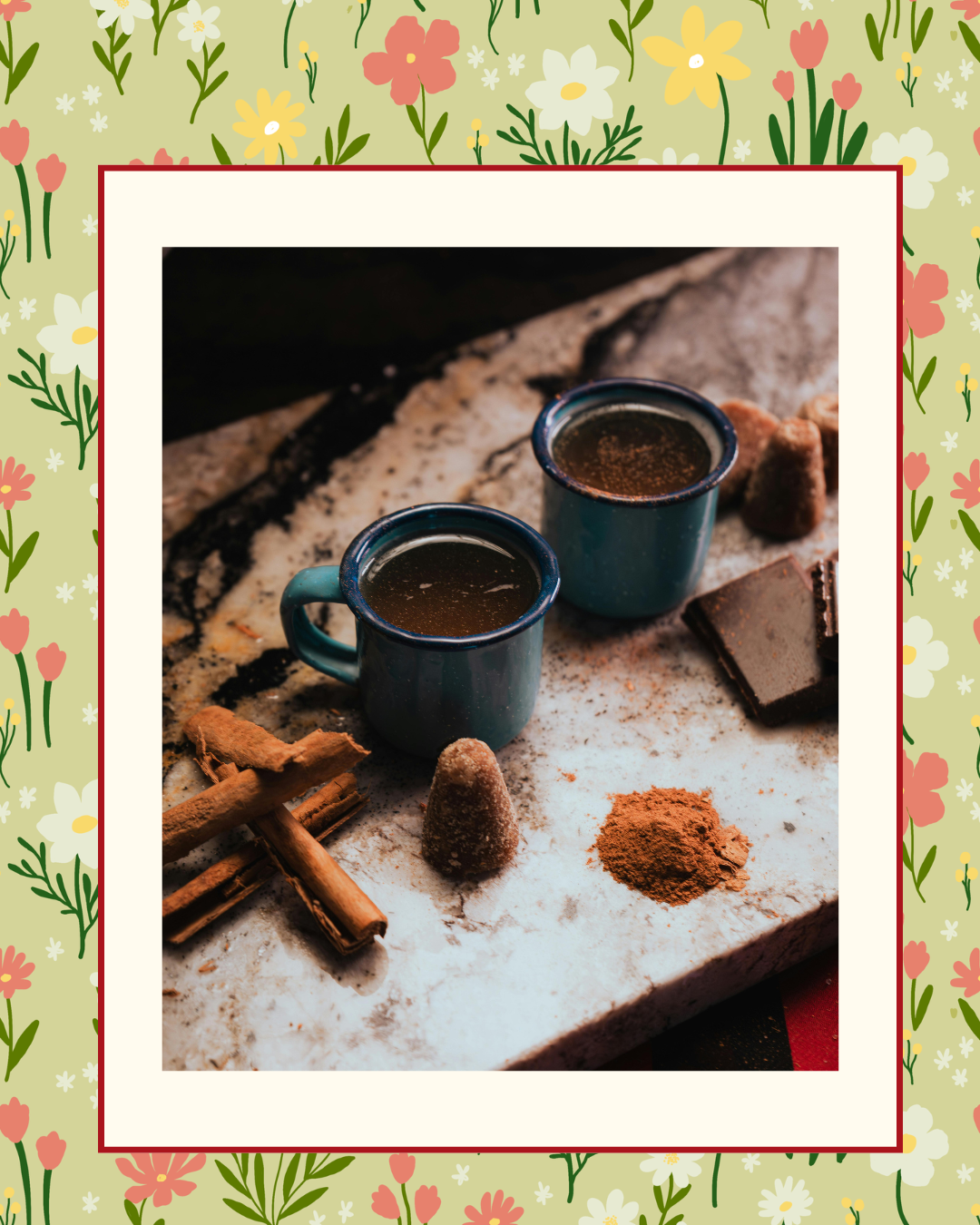
They layered in symbolism:
Cinnamon → associated with the wood of the cross
Cloves → linked to the nails of the Crucifixion
Nutmeg → connected to burial spices
So eating a hot cross bun on Good Friday became something deeper:
A multi-sensory act of remembrance.
Taste. Smell. Texture. Meaning.
All in one bite.
Royal Influence: When Bread Goes Viral
If something mattered in Tudor culture, the court touched it.
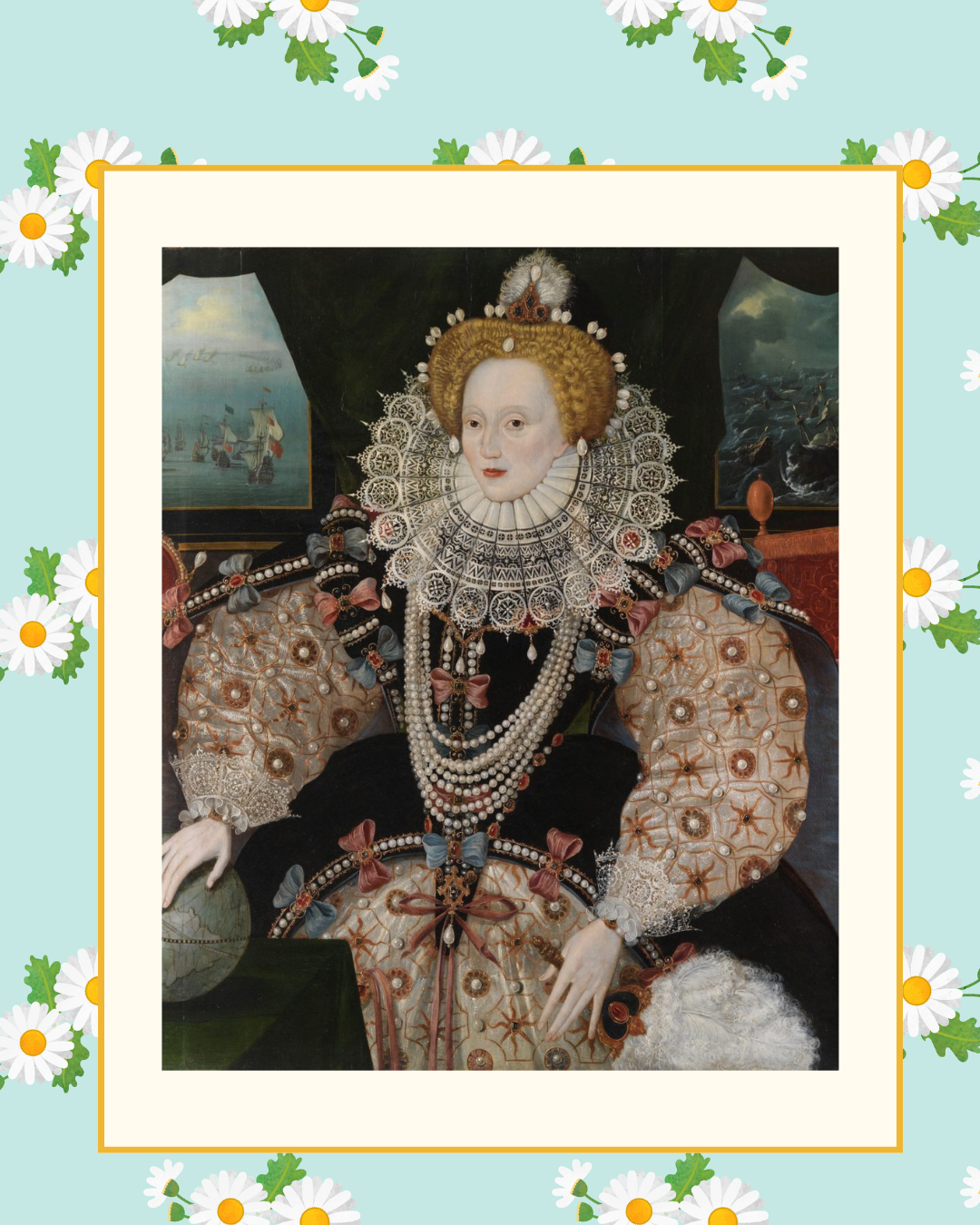
And hot cross buns? They had royal backing.
Under Henry VIII, kitchens became sites of culinary experimentation, influenced by continental trends and stocked with imported luxuries.
But the real It Girl moment?
That belongs to Elizabeth I.
She was said to love hot cross buns so much that she ordered her bakers to make them year-round, not just at Easter.
Which is, objectively, a lifestyle.
At the same time, buns weren’t just for the elite:
Sold in streets
Given to the poor on Good Friday
Shared across social classes
This is what makes them iconic:
A royal favorite that everyone could access.
Bread in a Time of Upheaval
And here’s the deeper layer—because nothing in Tudor England was untouched by religion.
The period saw massive shifts between Catholic and Protestant rule:
Under Henry VIII → tradition adapted but remained recognizable
Under Edward VI → reform stripped away ritual and symbolism
Under Mary I of England → traditions restored
Under Elizabeth I → a careful middle ground
And yet… through all of this?
The hot cross bun endured.
Simple. Adaptable. Symbolic.
A constant in a world that kept changing.
A Culinary Revolution in Every Bite
The Tudors weren’t just eating differently-they were reimagining food entirely.
This was the era that saw:
The rise of sugar as a culinary staple
New ingredients entering England through exploration
Continental influences shaping elite cuisine
New cooking techniques improving flavor and texture
Hot cross buns sit right at the center of this transformation.
They are:
Medieval tradition + global trade + Tudor innovation
The Bunniest Power Move
So what’s the real power move here?
It’s not just that the Tudors made hot cross buns more delicious.
It’s that they turned them into something that could:
Carry religious meaning
Signal social status
Reflect global connections
And still be shared across every level of society
That’s influence.
That’s legacy.
That’s branding, honestly.
✨ It Girl Takeaway
The Tudors understood something we still chase today: The most powerful things aren’t always the loudest.
Sometimes they’re small. Familiar. Repeatable.
A ritual. A flavor. A tradition.
Something you return to again and again.
And somehow, against all odds…a spiced little bun became unforgettable.
🍞 Make It Yourself: A Tudor-Inspired Hot Cross Bun
If the Tudors taught us anything, it’s that rituals are meant to be experienced—not just observed.

So if you really want to understand the power of the hot cross bun…You make it.
Here’s a traditional-style recipe inspired by historic methods (with a slightly modern kitchen assist):
✨ Ingredients
3–4 cups strong bread flour
1 packet yeas
t¼ cup sugar
1 tsp cinnamon + mixed spice
1 tsp salt
1 egg
1 cup warm milk
2 tbsp butter
1 cup dried fruit (currants/raisins)
For the cross:
Flour + water (mixed into a paste)
For the glaze:
Sugar + water (or apricot jam)
These ingredients reflect traditional recipes where spiced dough, dried fruit, and a simple flour cross define the bun.
🍯 Method (Tudor Girl, Modern Kitchen)
Mix flour, sugar, spices, salt, and yeast
Warm milk + butter, then combine with egg
Form into dough and knead until smooth
Let rise (about 1–1.5 hours)
Shape into buns and let rise again
Pipe crosses over the tops
Bake until golden (about 20 minutes)
Brush with glaze while warm
The signature cross was traditionally piped before baking using flour paste—not icing—keeping it closer to Tudor practice.
👑 Want the Royal Version?
If you want to go full Tudor court energy, you can try the official royal recipe from British Royal Family:👉 Royal Hot Cross Bun Recipe
This version includes:
Candied peel
Mixed spice blends
A sugar syrup glaze…and feels exactly like something that could have come out of a palace kitchen.
It Girl Takeaway
You could read about Tudor culture. Or you could smell the cinnamon. Feel the dough. Taste the history.
Because the real magic of the hot cross bun?
It’s not just that it survived. It’s that you can still experience it-almost exactly as they did.