A Tudor Easter: From Fasting to Feasting
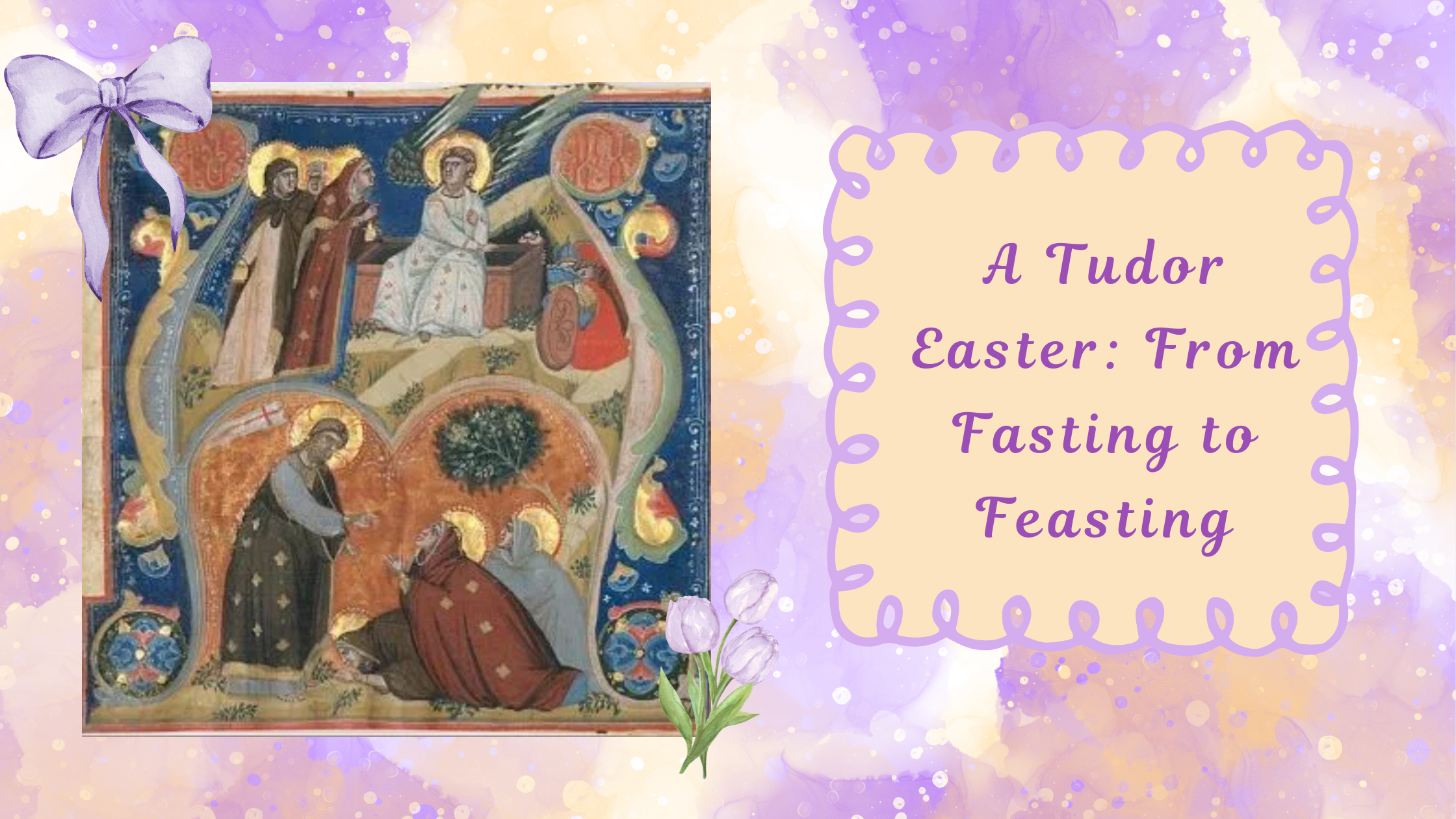
If Christmas was glittering and grand, Easter in Tudor England was something deeper—more emotional, more symbolic, and honestly… more intense.
For people living under the reign of Henry VIII, Easter wasn’t just a holiday.
It was a spiritual journey.
A transformation.
A movement from denial → grief → absolute joy.
And no one did drama quite like the Tudors.
🌿 The Long Build-Up: Lent & Shrovetide
Easter didn’t just arrive—it was earned.

The 40 days before it, known as Lent, were marked by strict fasting:
No meat
No eggs
No dairy
Yes… no butter. No cheese. No fun.
So naturally, the Tudors did what we would do: they went all out before Lent began.
Shrovetide was their last hurrah—feasting, games, indulgence. Think pancakes, rich foods, and celebration before the spiritual reset.
The Emotional Arc of Easter
What makes Tudor Easter so fascinating is how the Church controlled the mood.
Churches literally transformed over the week:
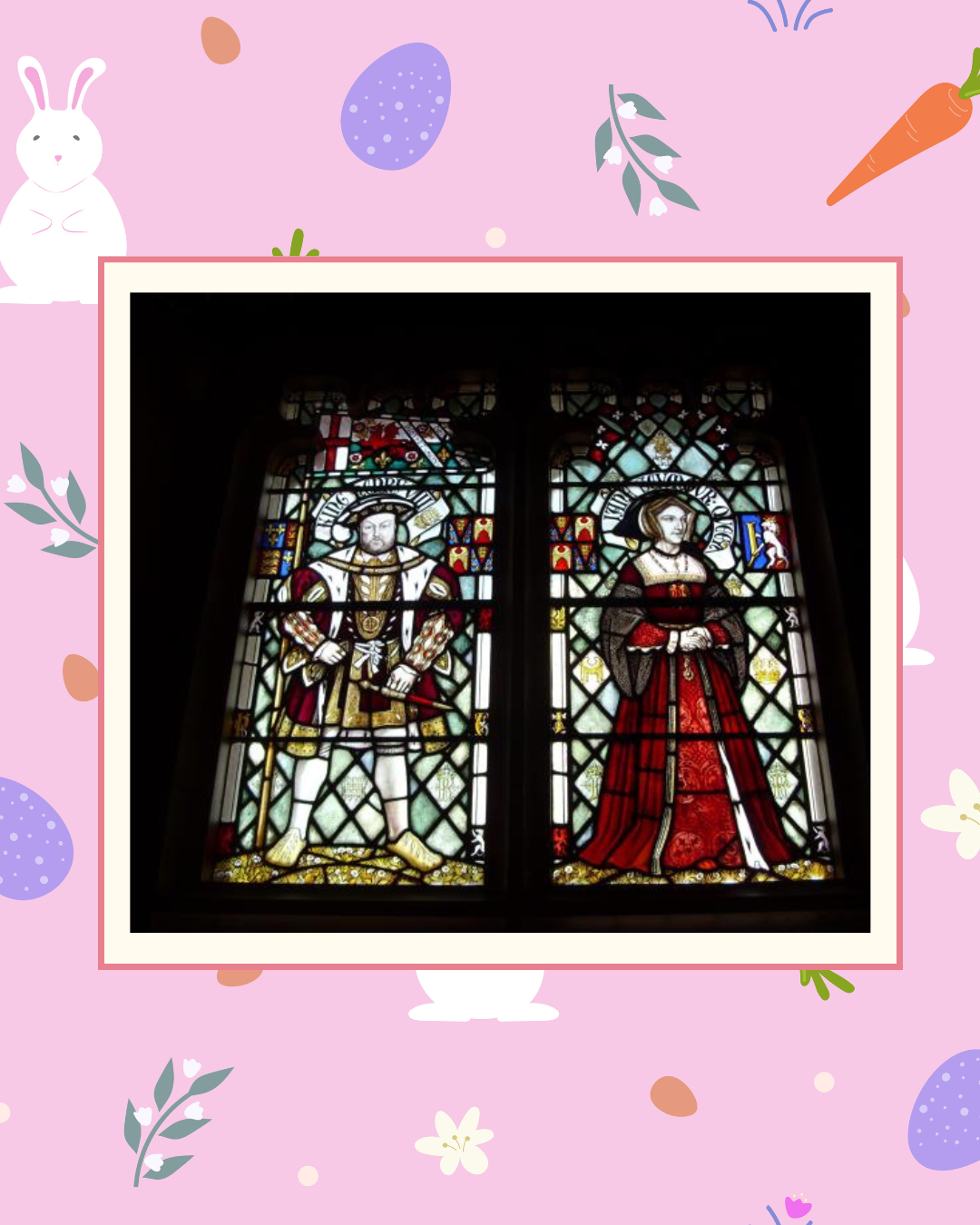
Altars were covered in black cloth
Decorations disappeared
The atmosphere became stripped, quiet, heavy
Then suddenly—Easter arrives—and everything changes:
Light floods the space
Candles are lit
Bells ring again
The altar is revealed
It’s not subtle. It’s theatrical.
And completely intentional.
Easter Vigil: Light Returns
On the night before Easter Sunday, Tudor churches held the Easter Vigil—arguably the most symbolic moment.
A new fire was lit.
The Paschal candle burned bright.
Darkness → light.
Death → resurrection.
Even if you weren’t deeply religious, you felt this shift.
🍗 Easter Sunday: The Feast
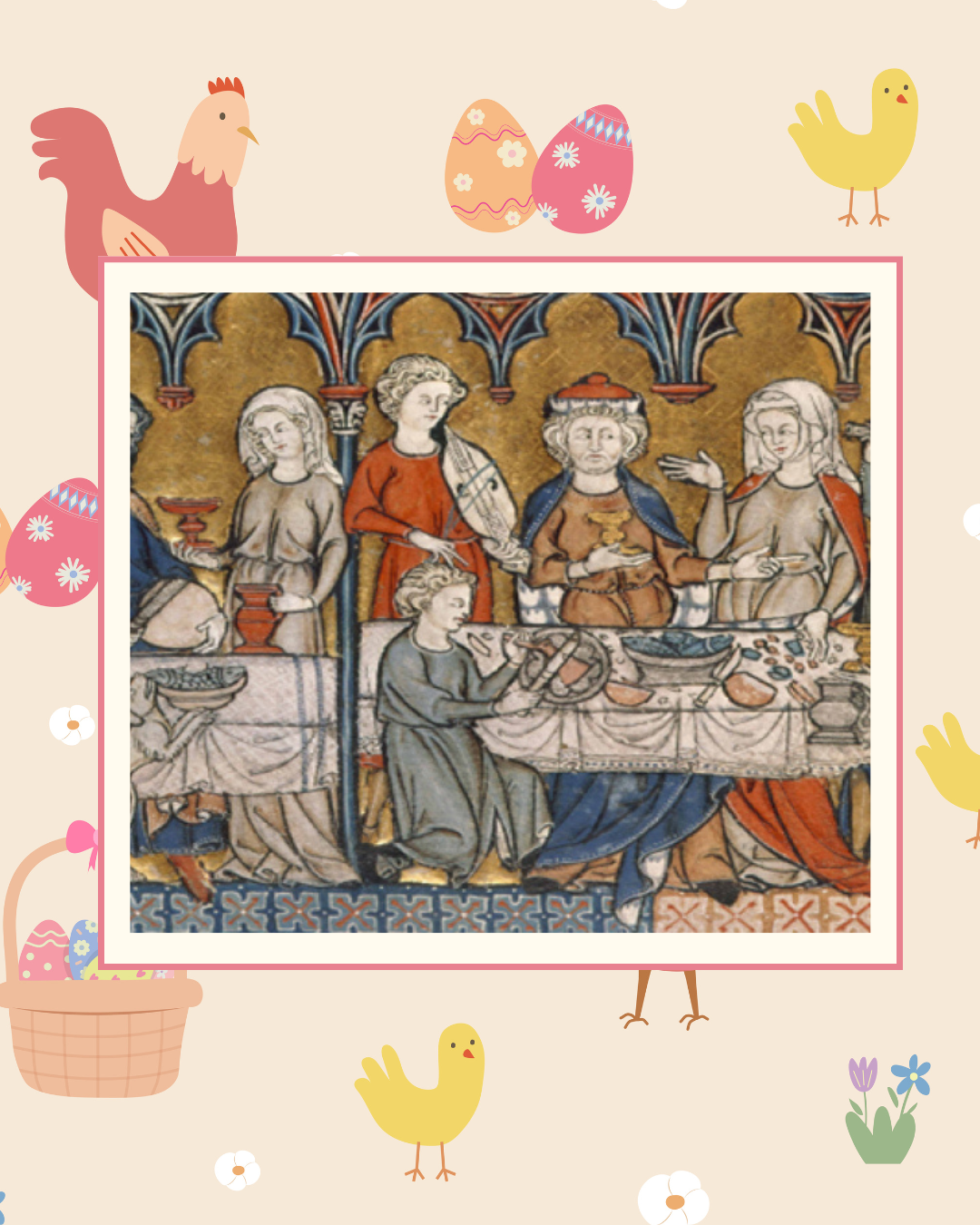
After 40 days of restriction?
The Tudors celebrated.
Tables overflowed with:
Roast lamb (symbolic of Christ)
Chicken and veal
Fresh bread
Eggs (finally back!)
Food wasn’t just nourishment—it was release.
A physical expression of joy after weeks of discipline.
Easter Monday: The Party Continues
If Easter Sunday was sacred, Easter Monday was social.
People:
Attended fairs
Played games and sports
Wore new clothes (yes, Tudor “Easter outfits” were a thing)
It was a day to be seen—to step back into the world renewed.
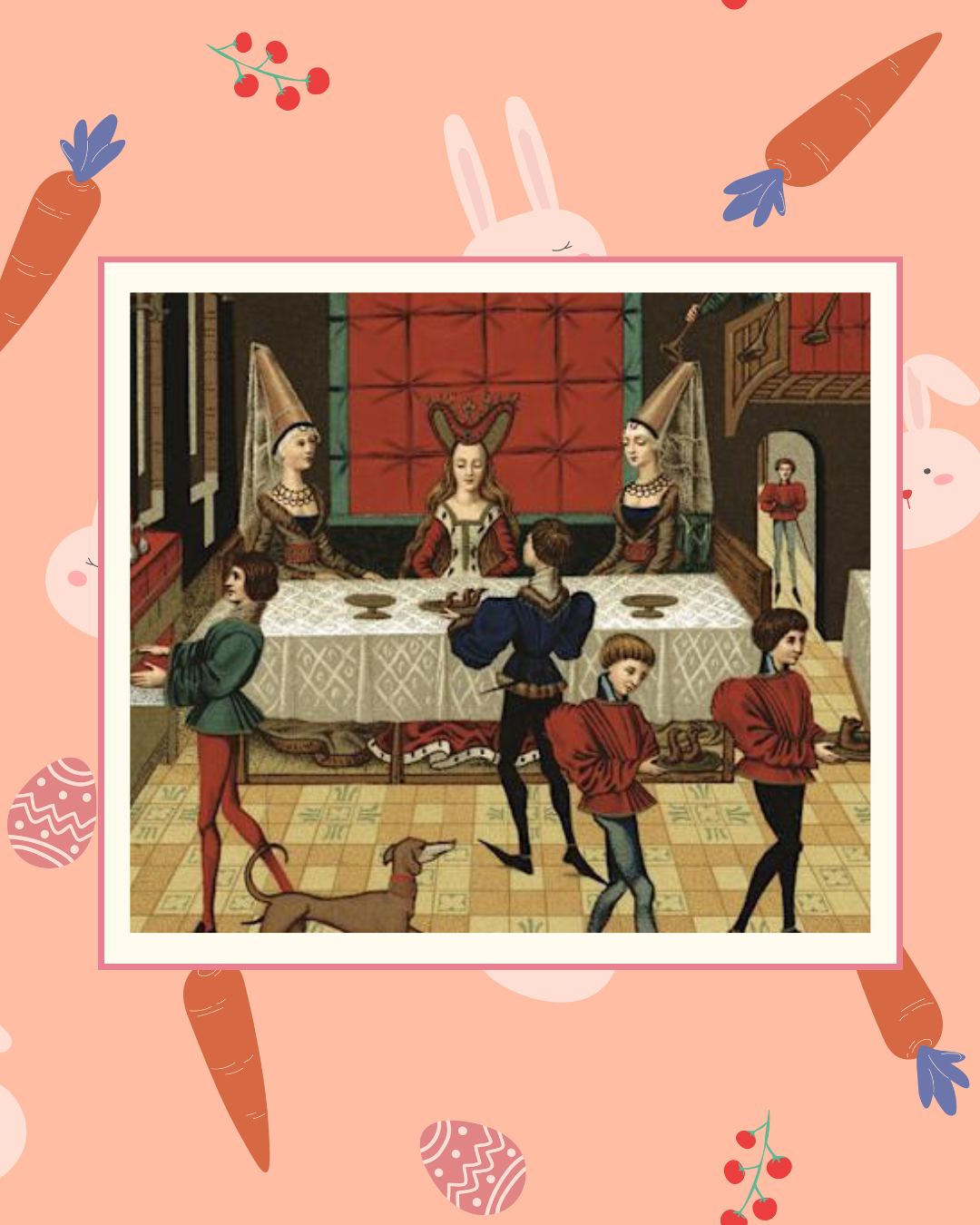
👑Royal Easter
At court, Easter was even more elaborate.
Monarchs didn’t just observe-they performed devotion.
Henry VIII himself participated in key rituals, reinforcing both his piety and his power.
Because in Tudor England, religion wasn’t separate from politics.
It was politics.
✨ It Girl Takeaway
Tudor Easter reminds us that celebration means more when it’s contrasted.
The stillness. The denial. The waiting.
It makes the joy louder. Brighter. Richer.
The Tudors didn’t skip ahead to the happy ending.
They walked through the darkness first.
📚 Sources & Further Reading
Primary & Contemporary Accounts:
The Book of Common Prayer
Churchwardens’ Accounts (various Tudor parishes documenting Easter expenses and rituals)
Secondary Sources:
Eamon Duffy, The Stripping of the Altars
Alison Weir, Henry VIII: The King and His Court
British Library – articles on medieval and Tudor religious practices
Media & Accessible History:
Renaissance English History Podcast (episode on Easter traditions)
“Love British History” blog (royal customs and rituals)