The Goddesses Behind The Odyssey: What Athena, Hera, Aphrodite, Artemis, and the Olympian Women Reveal About Greek Religion

When most people think of The Odyssey, they picture Odysseus battling monsters, outwitting Cyclopes, and desperately trying to find his way home after the Trojan War.
But Homer's epic isn't simply the story of one man.
It is also the story of the gods.
Every triumph, setback, storm, and safe harbor is influenced by divine intervention. The Olympian gods argue, compete, protect, punish, and guide mortals throughout the poem. To modern readers, these characters may seem like fictional additions to an exciting adventure.
To the ancient Greeks, however, they were anything but fictional.
Athena, Hera, Artemis, Aphrodite, and the other Olympian goddesses were worshipped as real divine beings. Temples were built in their honor. Festivals celebrated them. Sacrifices were offered in hopes of receiving their favor. Their stories were not merely entertainment—they reflected the religious worldview of ancient Greece.
Understanding these goddesses helps us understand not only The Odyssey, but the civilization that created it.
Homer's World: Gods Walked Beside Humanity
The Odyssey, traditionally attributed to Homer and composed around the 8th century BC, emerged from centuries of oral storytelling.
The poem follows Odysseus as he attempts to return to Ithaca after the Trojan War, a journey that lasts ten years and is filled with trials that test his intelligence, endurance, and character.
Unlike many modern stories, the gods are never distant observers.
Athena disguises herself to guide heroes.
Poseidon creates storms.
Hermes delivers messages from Zeus.
Calypso holds Odysseus captive.
Circe transforms his men.
Throughout the epic, divine beings shape human destiny.
This reflects how the Greeks viewed their world.
Religion was woven into every aspect of daily life. Success in war, good harvests, marriage, childbirth, travel, and political leadership were all believed to depend upon maintaining the favor of the gods.
Before the Olympians Came the Titans
Long before Zeus ruled Mount Olympus, Greek mythology tells us that the universe was governed by an earlier generation of divine beings known as the Titans.
Among the most important was Rhea, daughter of Uranus (the Sky) and Gaia (the Earth). Rhea became the wife of the Titan Cronus.
Fearing a prophecy that one of his children would overthrow him, Cronus swallowed each child as soon as it was born.
Rhea refused to lose her youngest son. She secretly hid the infant Zeus on the island of Crete and tricked Cronus into swallowing a stone wrapped in blankets instead.
When Zeus reached adulthood, he forced Cronus to release his swallowed siblings. Together they defeated the Titans in the great war known as the Titanomachy.
The Olympian gods became the new rulers of the cosmos.
Because of this story, Rhea is remembered as the Mother of the Olympian Gods.
The Major Olympian Goddesses
Although Greek mythology contains countless female deities, nymphs, and divine beings, several Olympian goddesses appear repeatedly in Homer's works and were among the most widely worshipped throughout Greece.
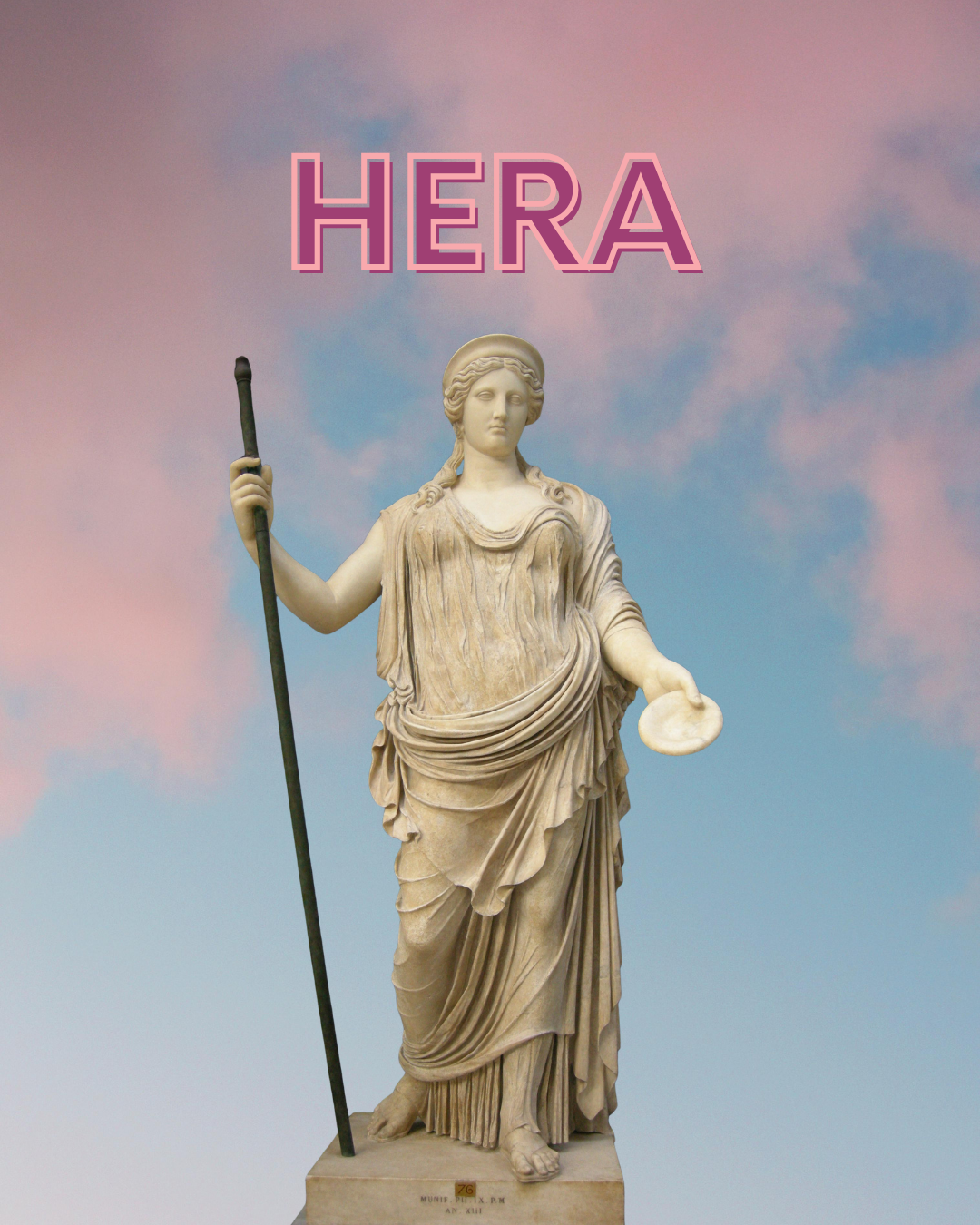
Hera
Parents: Cronus and Rhea
Role: Queen of the Gods, marriage, queenship, women, and childbirth.
Hera was both Zeus's sister and wife.
She served as queen of Mount Olympus and was one of the most powerful deities in the Greek world.
Her temples stretched across Greece, including the magnificent Heraion sanctuaries at Argos and Samos.
Although mythology often emphasizes her jealousy toward Zeus's many lovers, her religious importance centered on protecting marriage, legitimate families, and royal authority.

Demeter
Parents: Cronus and Rhea
Role: Agriculture, grain, fertility, and the changing seasons.
Demeter's grief after the abduction of her daughter Persephone formed one of the central myths of Greek religion.
Her story explained the seasonal cycle and became the foundation of the Eleusinian Mysteries, one of the most important religious cults in the ancient Mediterranean.
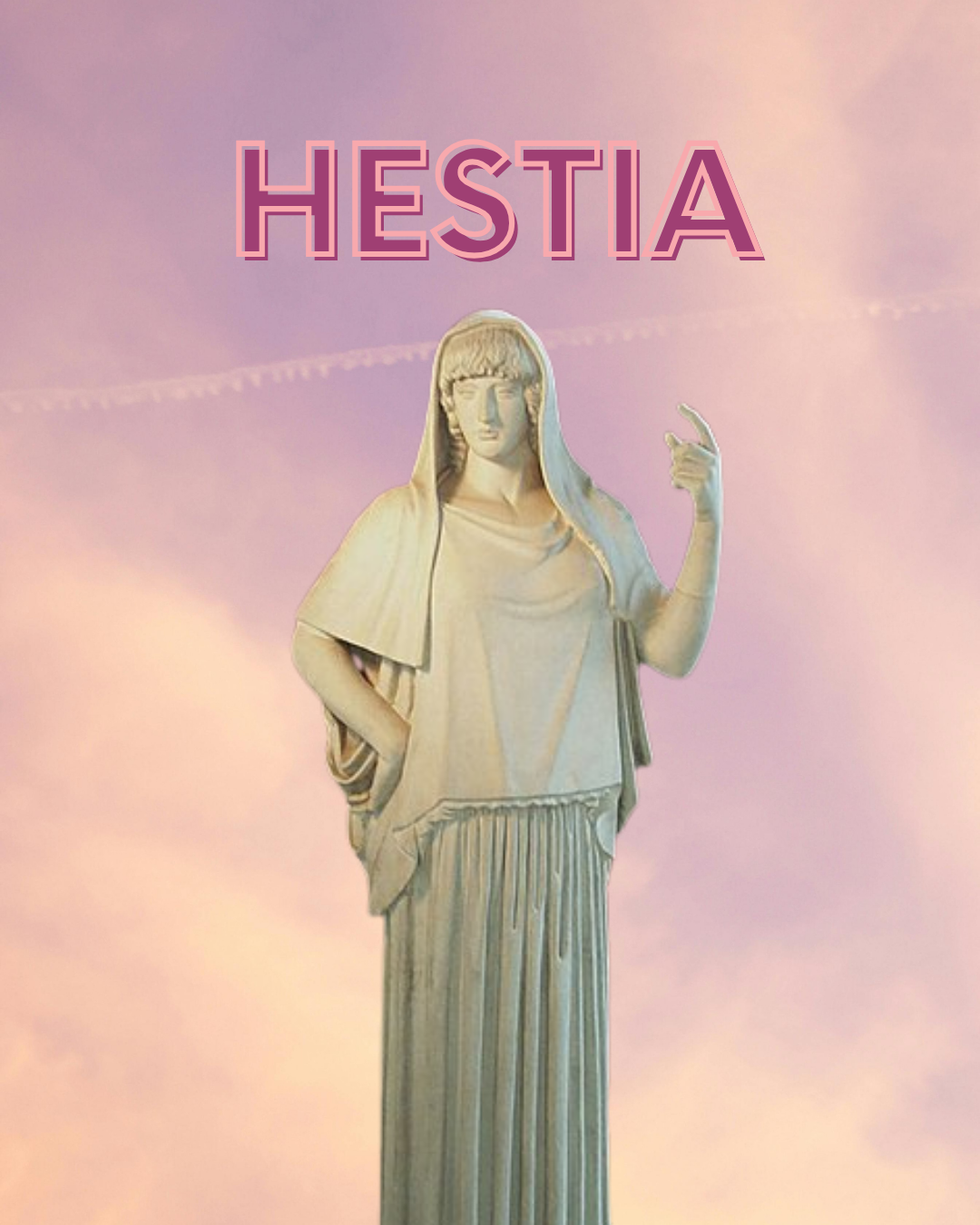
Hestia
Parents: Cronus and Rhea
Role: Hearth, home, domestic life, and sacred fire.
Unlike many Olympians, Hestia rarely appears in dramatic myths.
Instead, she represented stability.
Every Greek home maintained a hearth dedicated to her, and public buildings often contained sacred fires in her honor.
She embodied family unity and civic identity.
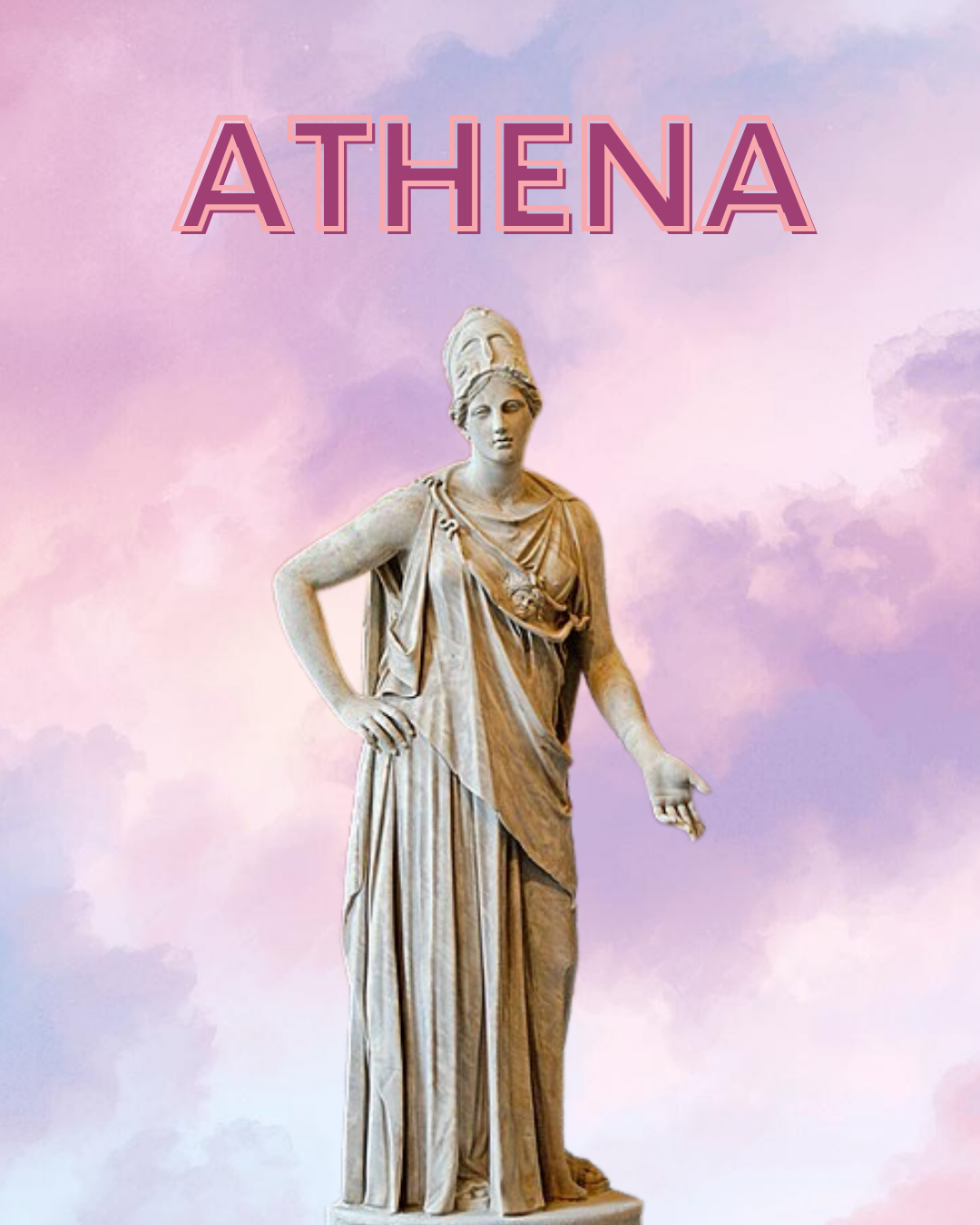
Athena
Father: Zeus
Mother: Metis, a Titaness associated with wisdom and prudent counsel.
Athena occupies a central role in The Odyssey.
She becomes Odysseus's greatest divine ally, repeatedly intervening to protect him and his son Telemachus.
Unlike Ares, who represented violence, Athena embodied strategic warfare, wisdom, craftsmanship, and intelligent leadership.
Athens itself took its name from her, and the Parthenon remains one of history's greatest monuments dedicated to her worship.
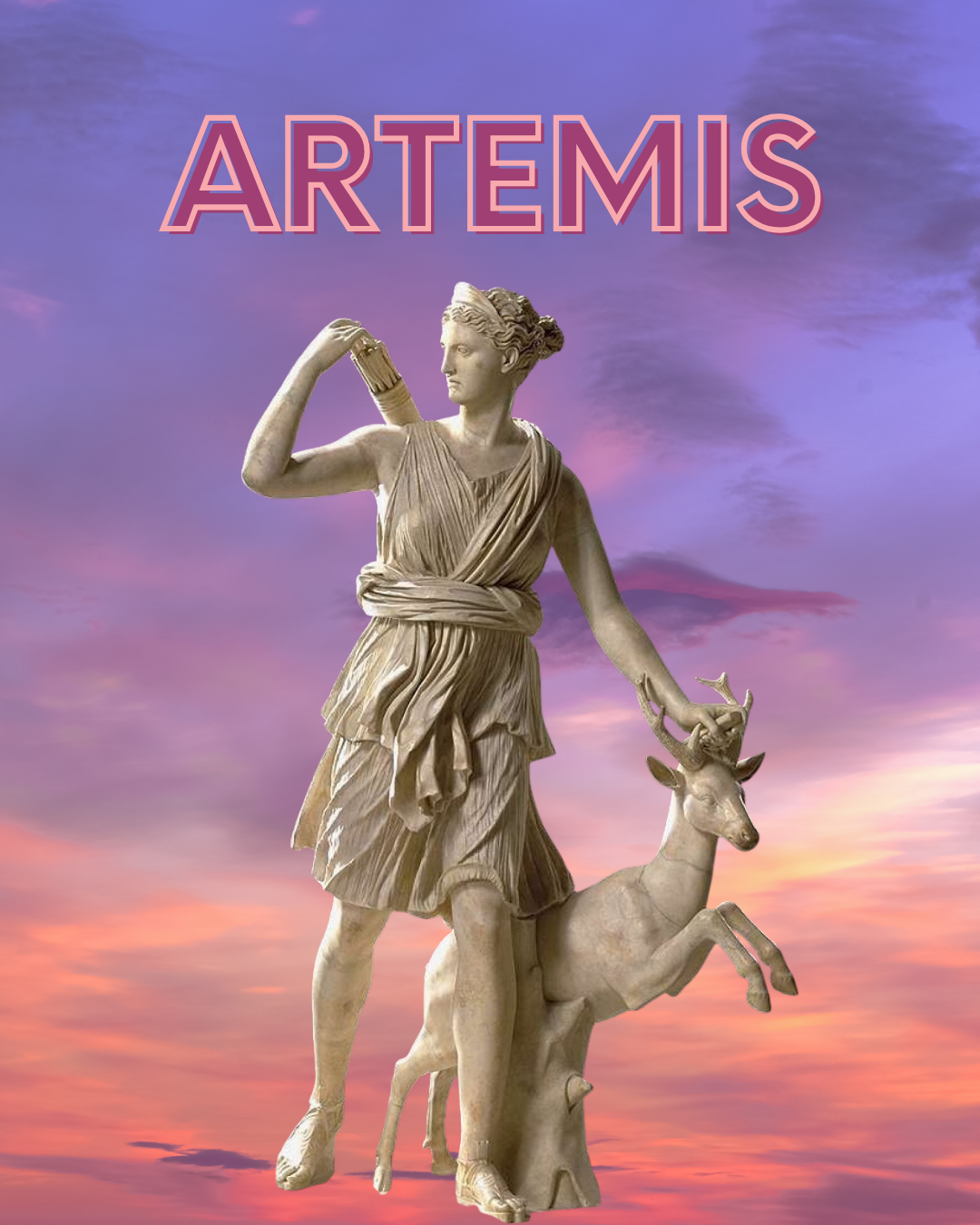
Artemis
Parents: Zeus and Leto
Twin Brother: Apollo
Artemis ruled over hunting, wilderness, young women, and childbirth.
She represented independence and the protection of vulnerable people.
Her sanctuary at Ephesus became one of the Seven Wonders of the Ancient World.
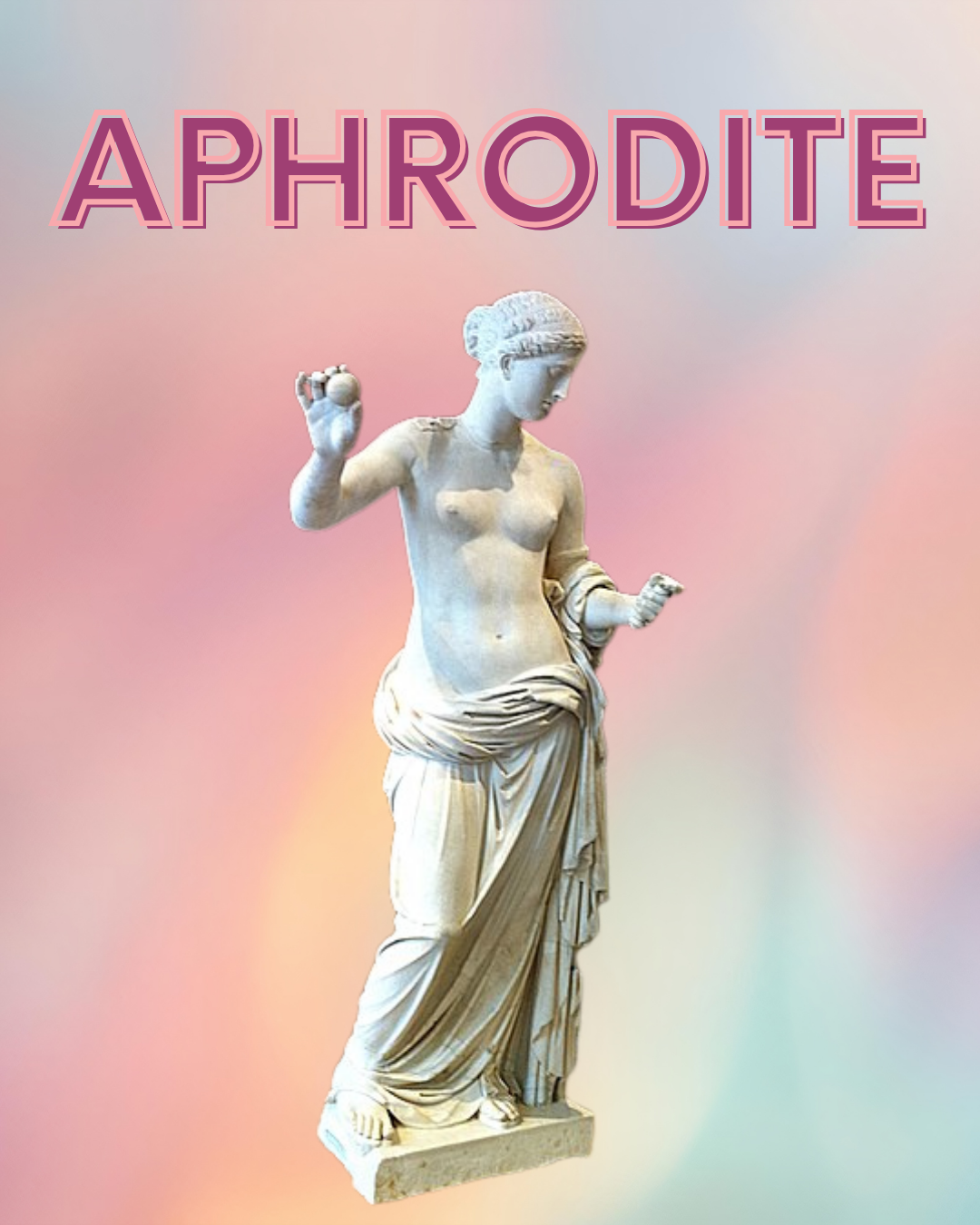
Aphrodite
Origins: According to Hesiod, Aphrodite emerged from sea foam after the severed body of Uranus fell into the sea. Homer instead describes her as the daughter of Zeus and Dione.
Role: Love, beauty, attraction, desire, and fertility.
The existence of two competing origin stories reminds us that Greek mythology was never a single fixed tradition.
Different cities preserved different versions of divine history.
Aphrodite played an essential role in beginning the Trojan War after Paris awarded her the famous Golden Apple.
Without Aphrodite, there would be no Trojan War—and without the Trojan War, there would be no Odyssey.
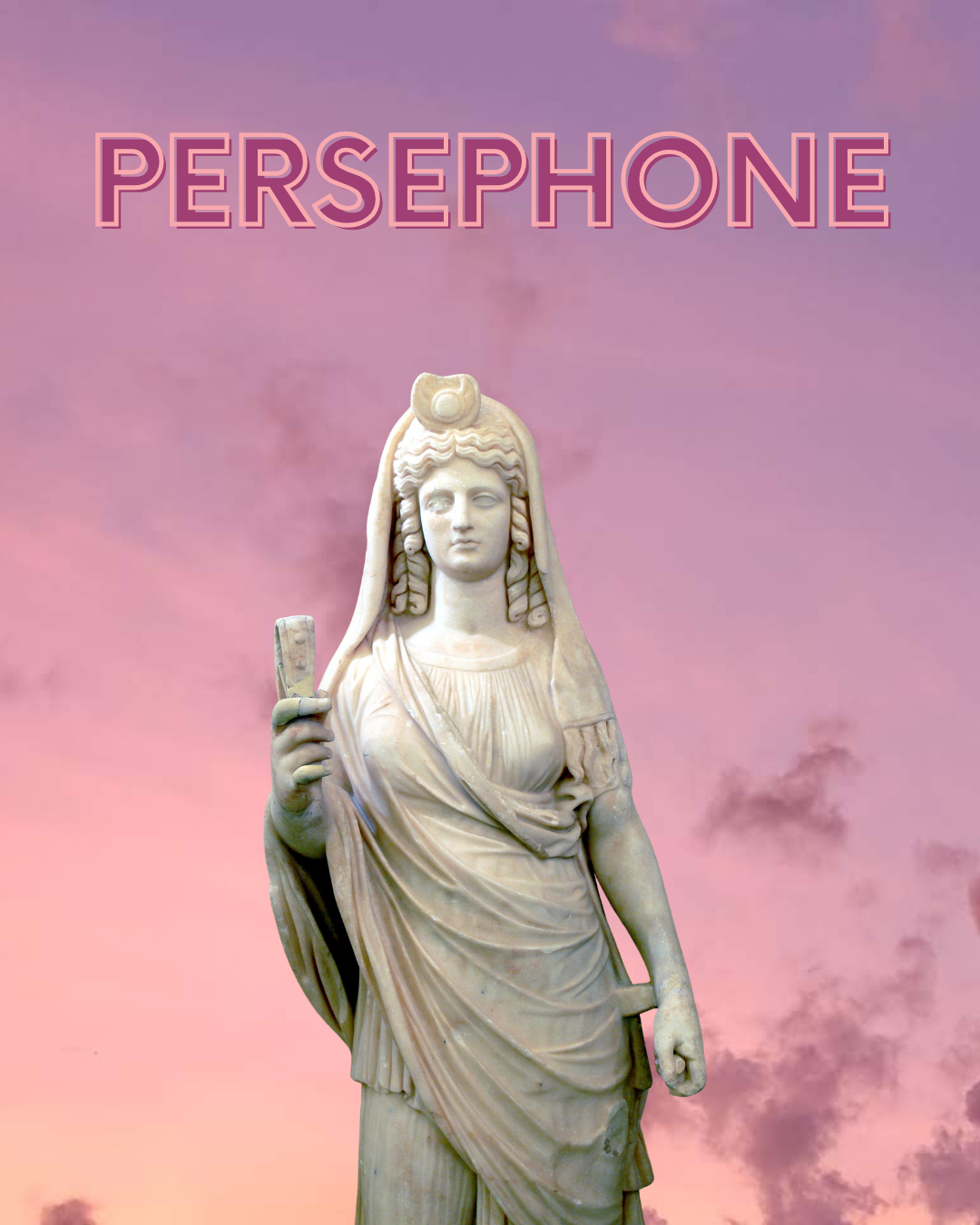
Persephone
Parents: Zeus and Demeter
Although not always counted among the Twelve Olympians, Persephone became one of the most important goddesses in Greek religion.
As Queen of the Underworld beside Hades, she represented death, rebirth, and the changing seasons.
Other Important Women in The Odyssey
Not every powerful woman in Homer's epic was an Olympian.
Several belonged to different categories of divine beings.
Calypso was a nymph who detained Odysseus for seven years on the island of Ogygia.
Circe was a powerful enchantress, usually described as the daughter of the sun god Helios and the Oceanid Perse.
These women blur the line between goddess and mortal, illustrating the rich diversity of Greek mythology.
What Their Worship Tells Us About Greek Religion
Studying these goddesses reveals several important truths about ancient Greece.
First, religion was deeply embedded in everyday life.
People prayed before battles, marriages, journeys, and harvests because they believed the gods actively influenced human affairs.
Second, different goddesses represented different aspects of life rather than simply "good" or "evil."
Athena rewarded wisdom.
Artemis protected the wilderness.
Demeter sustained agriculture.
Hestia guarded the home.
Hera oversaw marriage.
Aphrodite governed love and desire.
The Greeks understood the divine as complex, much like humanity itself.
Finally, the myths remind us that religion was local.
Different cities emphasized different gods, celebrated unique festivals, and sometimes even told different versions of the same stories.
Greek mythology was never one official book of beliefs. It was a living religious tradition shared across hundreds of independent city-states.
More Than Myth
Modern audiences often ask whether the Greek gods were "real."
Historically, the answer depends on the question being asked.
There is no historical evidence that Athena literally appeared on battlefields or that Aphrodite physically emerged from the sea.
But there is overwhelming historical evidence that millions of Greeks believed these goddesses were real.
They built temples, offered sacrifices, composed hymns, held festivals, consulted oracles, and shaped their lives around divine worship.
That belief influenced politics, warfare, family life, art, literature, philosophy, and education for centuries.
So while the goddesses belong to mythology, the religion built around them belongs firmly to history. And that is what makes studying them so fascinating.
Through Athena, Hera, Artemis, Aphrodite, Demeter, Hestia, Persephone, and the many other divine women of Greece, we gain a clearer picture not simply of ancient myths, but of the people who believed them, worshipped them, and built one of history's most influential civilizations.