Famous Weddings: The Secret That Shook the Crown
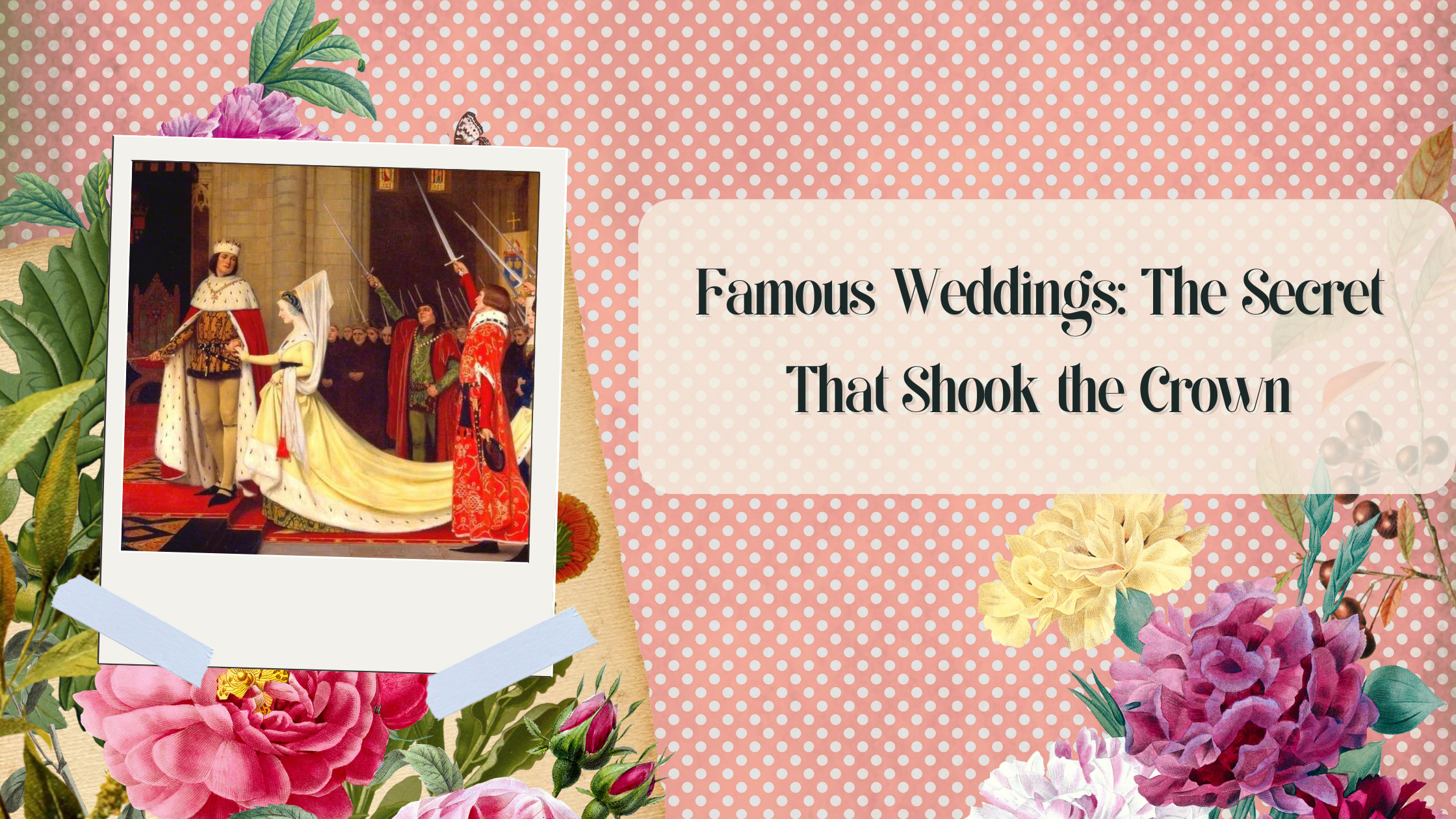
Edward IV of England & Elizabeth Woodville
It’s been about three months since my wedding, and I’ve been reflecting on all since it passed. To myself, and all in attendance it was a shock when I had to have surgery 48 hours before my surgery due to kidney stones; so naturally, we’re talking about one of the most shocking weddings in English history. Though this women didn’t experience kidney stones; she did shock her guests (and all of England and even abroad) more than I had.
Why? Because….
it wasn’t a cathedral spectacle,
nor a glittering diplomatic alliance,
and not even a carefully negotiated royal contract.
But a secret ceremony on May Day in a private chapel. With almost no one watching.
When Edward IV married Elizabeth Woodville in 1464, he didn’t just choose a bride — he chose chaos.
The Bride No One Expected
Elizabeth Woodville was not supposed to become queen.
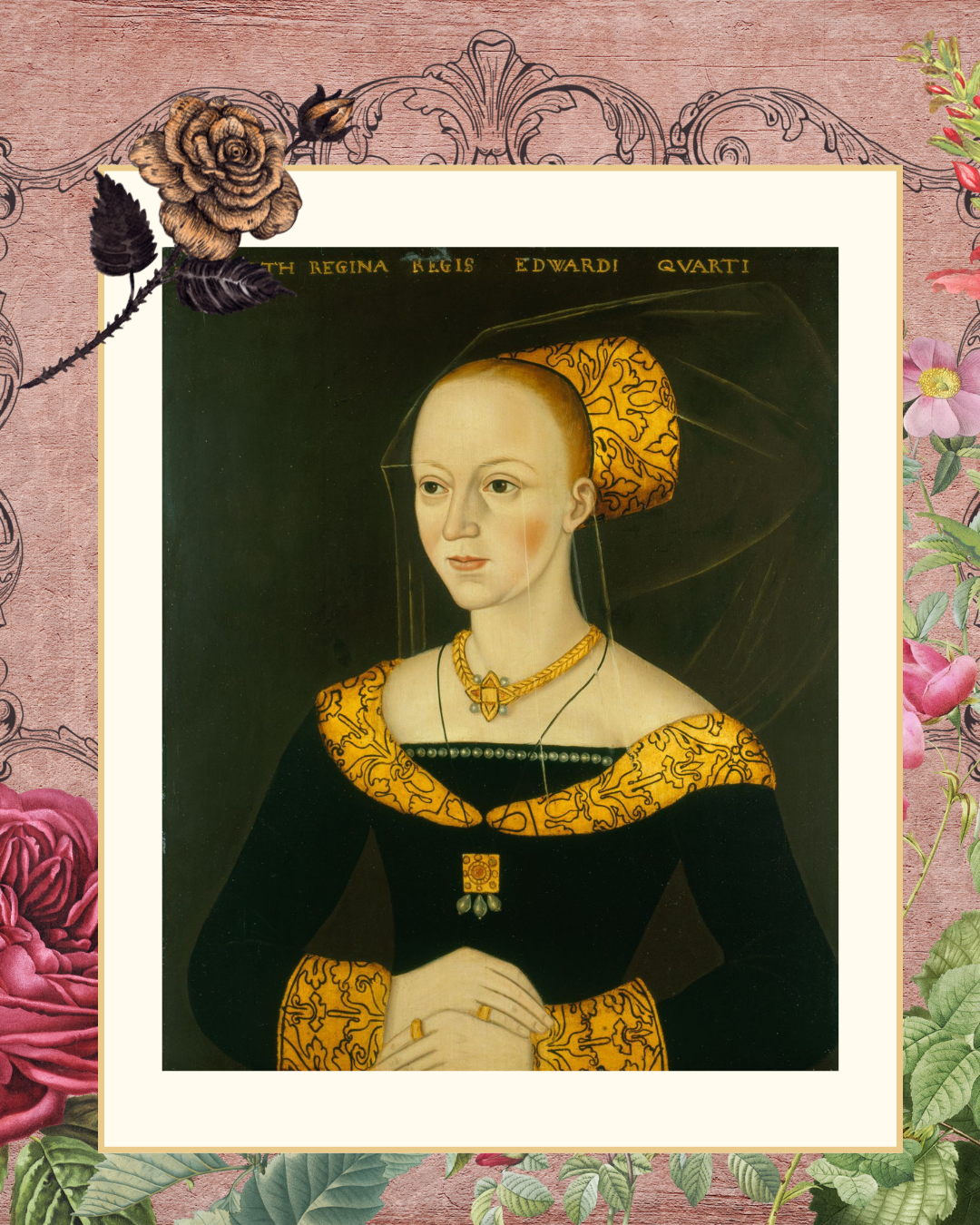
She was the daughter of Sir Richard Woodville and Jacquetta of Luxembourg. Jacquetta had once been Duchess of Bedford — royal-adjacent, yes — but her second marriage to a knight was considered socially uneven. The Woodvilles were respected… but not royal. Not ancient nobility. Not powerful kingmakers.
Elizabeth herself had already been married to Sir John Grey, a Lancastrian who died fighting for Henry VI. She was a widow in her early twenties with two sons and complicated inheritance disputes.
In other words:
Lancastrian ties
No dowry
Two children
A family the Yorkist elite viewed as ambitious upstarts
Medieval queens were supposed to bring treaties, armies, or gold.
Elizabeth brought proven fertility — and fifteen siblings.
The Meeting Under the Oak
Legend says Elizabeth met Edward beneath an oak tree in Whittlebury Forest, her sons beside her, petitioning for the restoration of their lands.
The story — embroidered over time — claims Edward was immediately captivated. That he attempted seduction. That she refused him. That she even held a dagger to her throat rather than risk dishonor.
Romantic? Yes.
Historically provable? Not entirely.
What we do know is this: within weeks, Edward was visiting the Woodville home at Grafton regularly.
And on May 1, 1464 — quietly — they were married.
No council.
No proclamation.
No foreign ambassadors.
Just a king, a widow, a priest, and a secret.
Why This Wedding Was Explosive
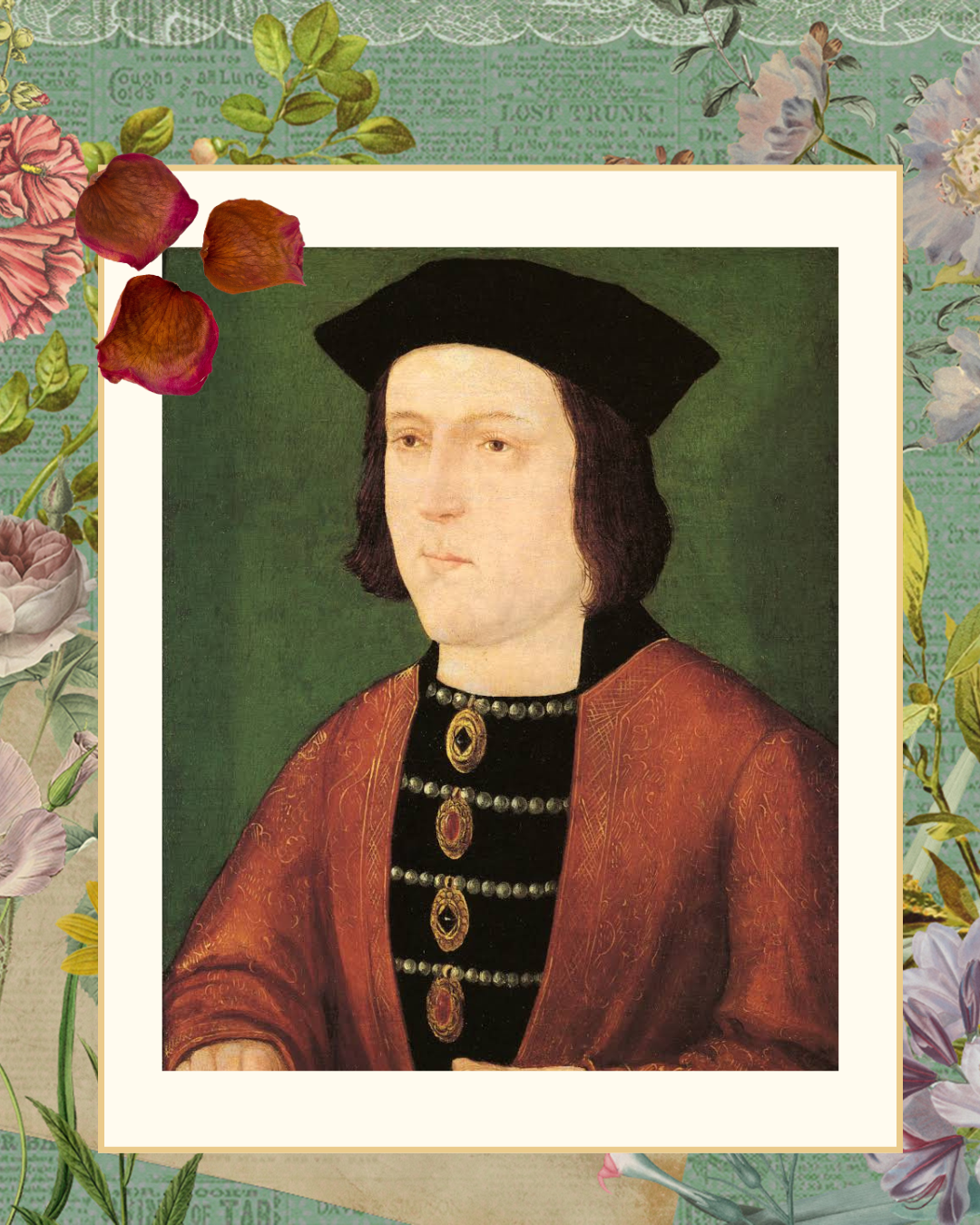
Kings did not marry for personal preference.
They married for diplomacy.
At the very moment Edward secretly wed Elizabeth, his chief advisor — Richard Neville, Earl of Warwick, the “Kingmaker” — was negotiating a prestigious French match with Bona of Savoy.
Imagine returning from France thinking you secured a royal alliance… only to discover your king has already married a knight’s widow from Northamptonshire.
The political fallout was immediate.
Warwick felt bypassed and humiliated. The nobility were stunned. And when Edward revealed the marriage publicly that autumn, fury rippled through court.
Then came the Woodville promotions.
Elizabeth’s siblings were married into powerful families. Titles were granted. Offices distributed. Her brother John famously married the elderly Dowager Duchess of Norfolk — a match that scandalized the realm.
Were the Woodvilles ambitious? Yes.
Were they uniquely ambitious? No.
But perception matters in politics — and the perception was that the queen’s family was rising too quickly.
Soon whispers turned darker.
Elizabeth and her mother were accused of witchcraft — of bewitching the king into marriage. Jacquetta was even tried (and cleared), but the accusation lingered. Later, it would be recycled by Richard III.
Because when a king marries unexpectedly, medieval minds search for supernatural explanations.
Love Match or Power Move?
Was it love?
Edward was known for his charm, charisma, and appetite for women. Contemporary accounts suggest genuine attraction and strong attachment. But there was strategy here too.
By marrying Elizabeth, Edward:
Broke free from Warwick’s influence
Asserted independence in his kingship
Potentially won over former Lancastrian sympathizers
Still — this was not standard royal practice.
And the consequences would echo for decades.
The Pre-Contract Bombshell
Fast forward to 1483.
Edward IV dies suddenly. His twelve-year-old son, Edward V, is set to inherit.
Then Edward’s brother — Richard, Duke of Gloucester — makes a devastating claim.
He alleges that Edward IV had been pre-contracted (essentially informally married) to Lady Eleanor Butler before marrying Elizabeth. If true, Elizabeth’s marriage would be invalid — and all her children illegitimate.
Conveniently:
Edward IV was dead
Eleanor Butler was dead
The claim surfaced only when Richard needed the throne
The bishop who testified to this pre-contract had never raised it during Edward’s lifetime — not during rebellions, not during political crises, not during years of Woodville advancement.
Yet the claim worked.
Richard declared the children illegitimate. He took the crown as Richard III. The princes were placed in the Tower of London and never seen again.
A secret wedding in 1464 had just altered the fate of England.
The Legacy of a Wedding
Despite scandal, resentment, rebellion, and rumor, Edward never abandoned Elizabeth.
They remained married for nineteen years. He never sought annulment. And when he died, he chose burial beside her at Windsor.
Their daughter, Elizabeth of York, would later marry Henry VII — uniting York and Lancaster and founding the Tudor dynasty.
So this wedding — impulsive, controversial, politically disastrous — ultimately reshaped the English monarchy.
Why This Wedding Still Matters
So as I reflect on my own wedding, I can’t help but think about this:
Some weddings are strategic.
Some are expected.
Some are approved by everyone in the room.
And some change the course of history because two people decided the future would look different.
Edward IV and Elizabeth Woodville’s marriage wasn’t tidy. It wasn’t politically safe. It wasn’t universally celebrated.
But it endured.
And in a world where marriages were contracts, theirs — whatever mix of love, attraction, and power it contained — was chosen.
Sometimes the most famous weddings aren’t the grandest.
They’re the ones no one saw coming.
Learn More: Fun & Engaging Reads
The Wars of the Roses: The Fall of the Plantagenets and the Rise of the Tudors — Dan Jones
A vivid, fast-paced narrative history of the period — including Edward IV, the Woodvilles, and Richard III.The White Queen — Philippa Gregory
A novelistic retelling that brings Elizabeth’s voice and personality to life — dramatic, accessible, and deeply human.The Rose of York: The Life and Times of Elizabeth Woodville — Charles Ross
Engaging narrative that blends storytelling with sharp historical insight.The Hollow Crown — Various Authors
A collection of essays exploring the personalities and politics of the late Plantagenet and early Tudor courts — great as a broader context read.
Edward IV — Charles Ross
A definitive biography from one of the leading historians of late medieval England.The Woodvilles — Anne Curry
A detailed historical study of the Woodville family’s rise and influence in 15th-century England.The Wars of the Roses: Politics and the Constitution in England, c. 1437–1509 — Christine Carpenter
A thoughtful, source-driven analysis of the constitutional and political shifts of the age.Queens Consort: England’s Medieval Queens — Antonia Fraser
Broad but incisive, with sharp chapters on Elizabeth and other pivotal medieval queens.The Reign of King Edward IV — John Gillingham
A focused, academic look at Edward’s political career and royal priorities.