International Zoo Day: The Tower of London: From Fortress to Menagerie
International Zoo Day, celebrated annually on July 9th, is a day dedicated to recognizing and appreciating the vital role that zoos play in wildlife conservation, education, and research.
This day offers a unique opportunity for people around the world to visit their local zoos, learn about endangered species, and support efforts to protect wildlife habitats. Zoos engage in crucial breeding programs, rescue efforts, and conservation initiatives that help preserve biodiversity. International Zoo Day also emphasizes the importance of raising awareness about animal welfare and the ethical treatment of animals in captivity, encouraging visitors to support institutions that prioritize these values.
And if you’re like me, I have always had a fondness for learning and going to zoos. This is why I was so curious the first time I had gone to London and saw statues of various animals placed in the Tower. Once going inside I learned that the Tower was not only a royal residence, a fortress, and a jail at one point, but it also served as a menagerie to various nobles throughout time.
I found it fascinating researching this later on and I wanted to share with you in this article the history surrounding zoos and the royals of England. Because, as you’ll see, the fondness for animals and learning about them has spanned hundreds of years.
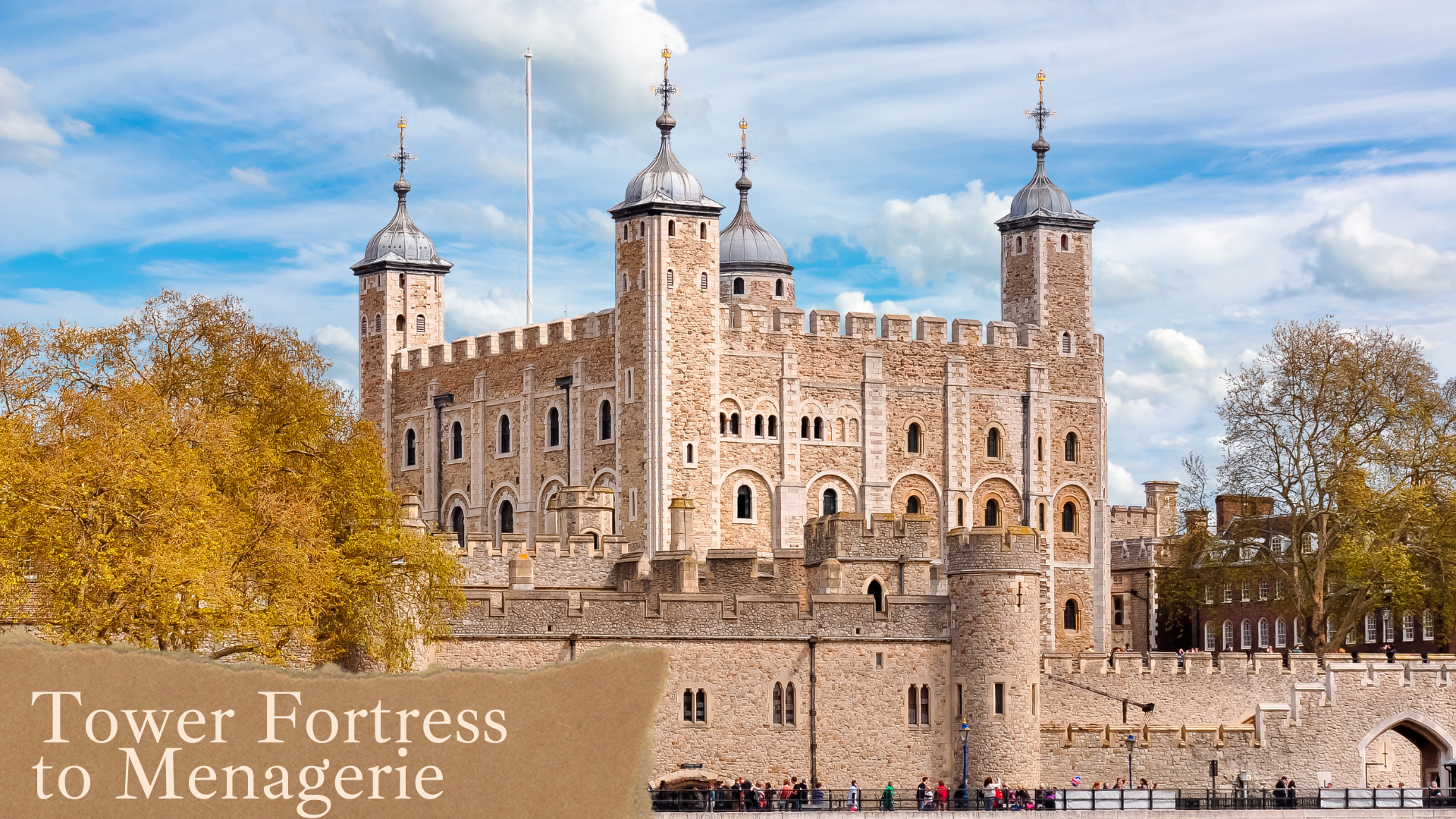
The Tower of London: From Fortress to Menagerie
The Tower of London, an iconic symbol of British history, has worn many hats over the centuries. Built by William the Conqueror in 1066, it has been a royal palace, a prison, an armory, and even a treasury.
But did you know that for nearly 600 years, it also served as one of the world's earliest zoos?
The story of the Tower of London as a menagerie is a fascinating tale of exotic beasts, royal curiosity, and the evolution of zoos as symbols of power and prestige.
The Royal Menagerie Begins
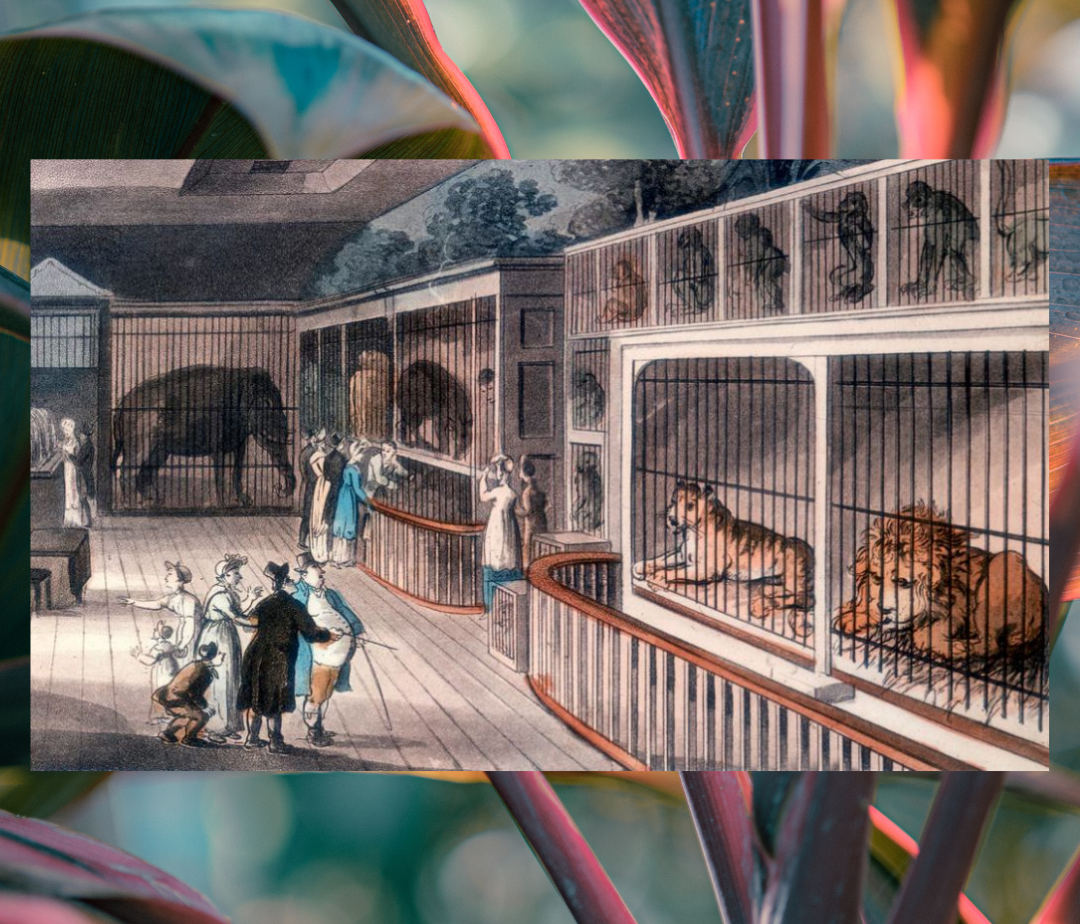
The tale of the Tower of London's transformation into a menagerie begins in 1235, when Holy Roman Emperor Frederick II gifted three leopards (probably lions, in fact) to King Henry III. This exotic present was a diplomatic gesture, and the animals were housed in the Tower, marking the beginning of the royal menagerie. Henry III was so delighted with his new pets that he soon added a polar bear from Norway, which was kept on a long chain and allowed to swim in the Thames to catch fish. Elephants, lions, and other creatures soon followed, turning the Tower into a veritable Noah's Ark.
A Symbol of Royal Power
But why did monarchs collect exotic animals?
Beyond sheer curiosity and fascination, these collections served as potent symbols of power. Possessing rare and unusual animals demonstrated the monarch’s extensive reach and influence, showcasing connections with far-off lands and their rulers. In fact, Columbus brought back various animals, including exotic birds, when he returned from the Americas to Spain.
Each animal was a living testament to the king’s ability to command the extraordinary and control the untamed. In an age where most people had never seen such creatures, the royal menagerie was a source of awe and wonder.
The Tower's Wild Residents
The menagerie grew under successive monarchs, each adding new and stranger creatures.
In the 13th century, Edward I constructed a special enclosure known as the Lion Tower to house the growing number of lions and leopards.
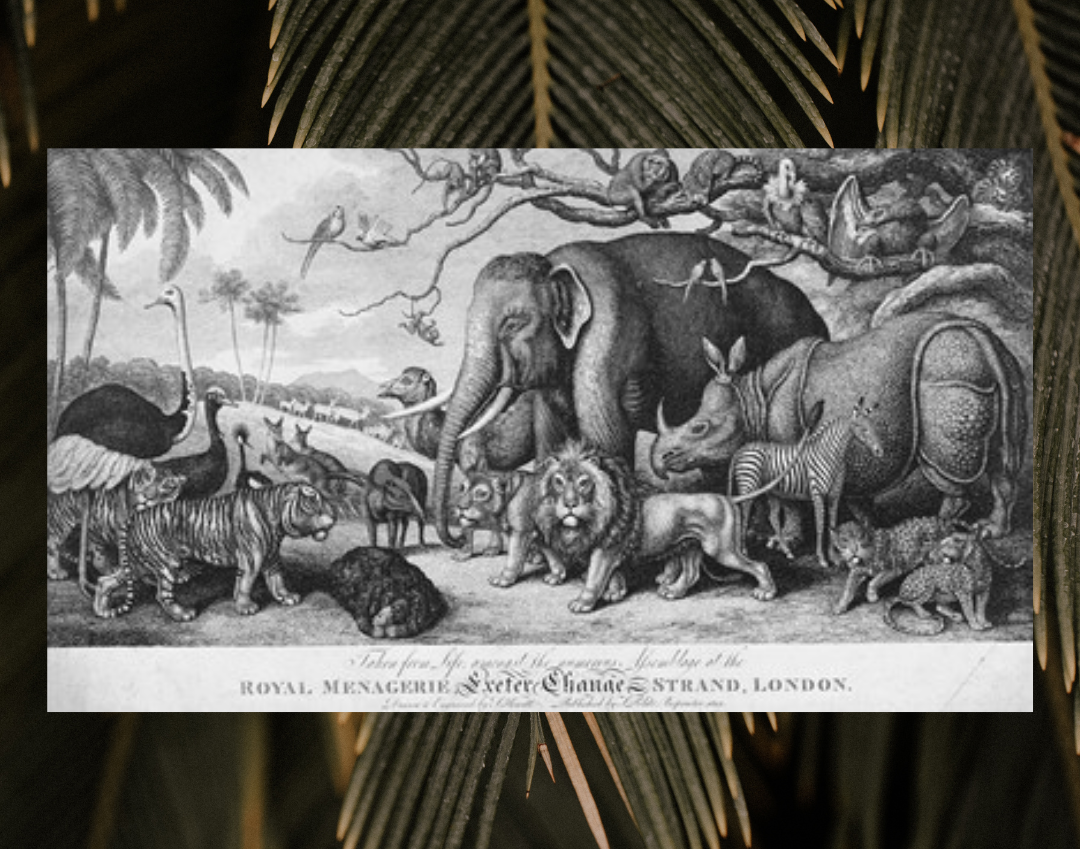
By the 16th century, the menagerie included not only big cats but also eagles, kangaroos, and even an ostrich. The latter was said to have developed a taste for eating nails, leading to the rather grim discovery of its dietary limitations.
Visitors to the Tower could view these exotic animals for a small fee, adding to the Tower's allure as a tourist attraction. However, the conditions for the animals were often less than ideal. The cramped and unsuitable habitats were a far cry from the more natural environments modern zoos strive to create.
The End of an Era
By the 19th century, attitudes towards animal welfare began to change, and the Tower’s menagerie fell out of favor.
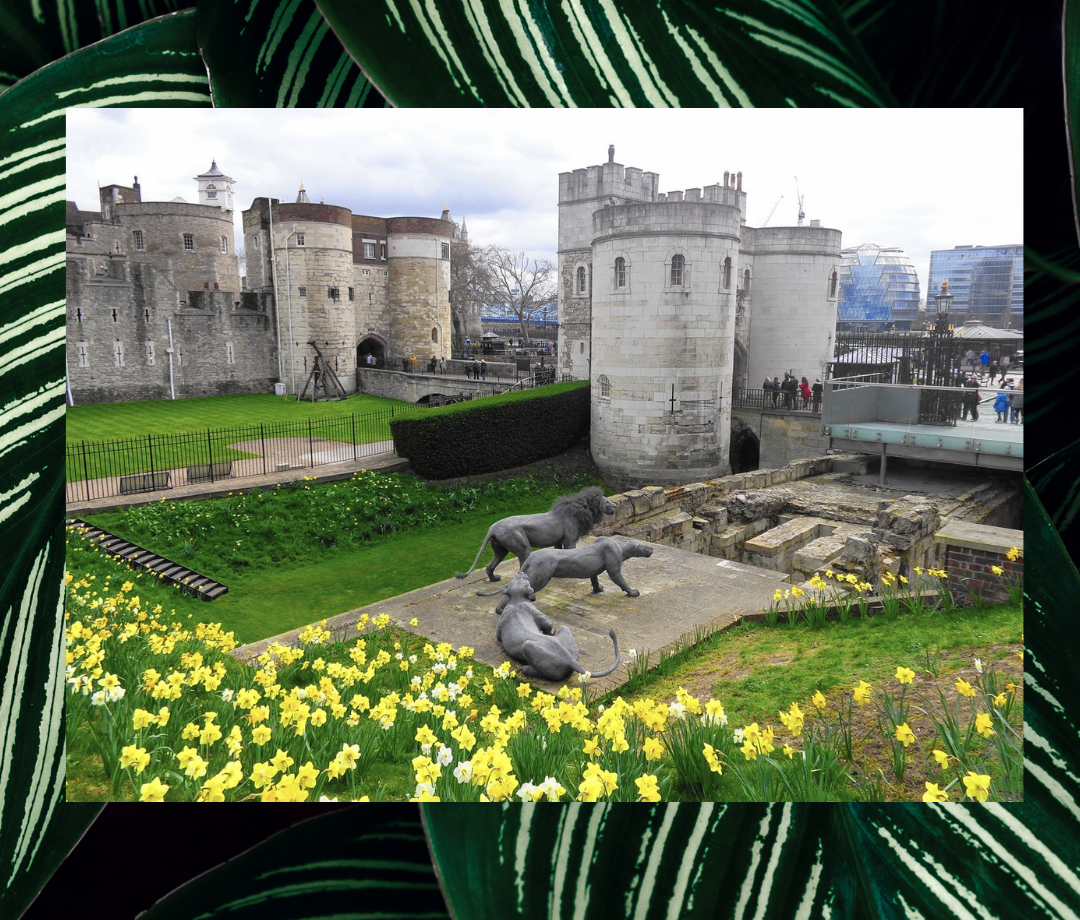
In 1832, the Duke of Wellington, then Constable of the Tower, decided that the menagerie was an outdated curiosity and ordered its closure. Most of the animals were transferred to the newly established London Zoo in Regent's Park, which aimed to provide better living conditions and focus on scientific study and public education. You can still see animals in the London Zoo today.
The Legacy of Royal Menageries
The Tower of London's menagerie was not an isolated phenomenon. Across Europe, royal menageries were common, each serving as a statement of power and prestige. The French kings maintained a menagerie at the Palace of Versailles, while the Habsburgs had one at Schönbrunn Palace in Vienna. These collections laid the groundwork for modern zoos, transitioning from private displays of power to public institutions dedicated to conservation and education.
In many ways, zoos were one of the view areas of education for the lower classes. It not only allowed them to learn about the natural world, but also different cultures and countries abroad.
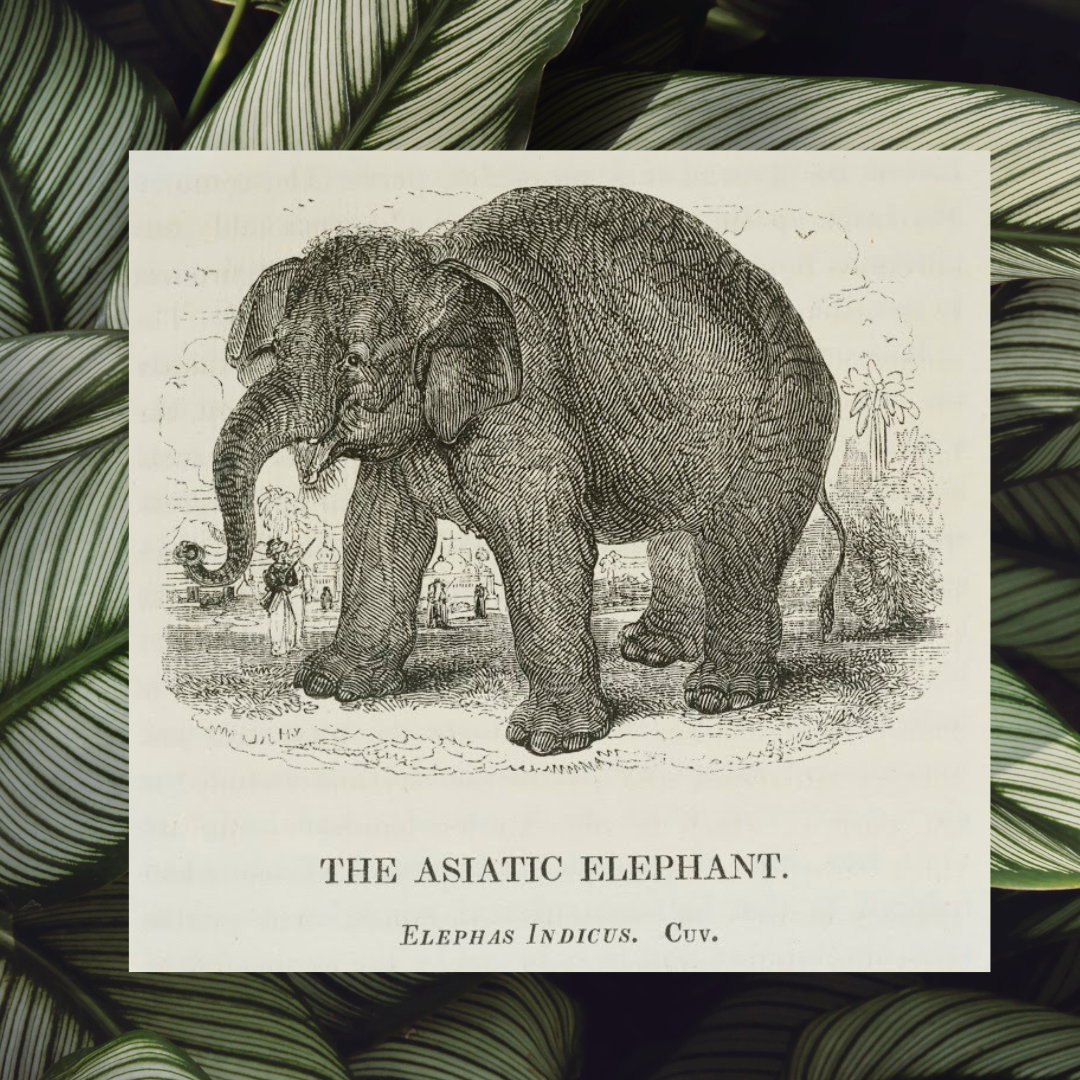
Also, just the mere history of the Tower of London as a menagerie is a captivating chapter in its storied past. From the lions and leopards of Henry III to the final transfer of animals in the 19th century, the Tower’s exotic residents left a lasting impression on all who saw them.
Today, while the lions may no longer roam, the Tower continues to captivate visitors with its rich history and tales of the past, reminding us of a time when royal power was measured in part by the roar of a lion and the majesty of an elephant.
If you do every find yourself in London, you’ll be able to see the statues and read some of the history of this unique time. I also hope this article will serve as a guide if you ever do find yourself on the steps of the Tower. I also hope you have a marvelous national zoo day and enjoy the fun facts of the Tower’s Zoo below:
Fun Facts:
The polar bear gifted to Henry III in 1252 was kept on a long chain and allowed to fish in the River Thames..
The term "keep" in the Tower of London refers to the White Tower, which served as the primary residence of the monarch and later as the site of the menagerie.
Exotic Gifts: Monarchs often received exotic animals as diplomatic gifts. For instance, King Henry III received an elephant from Louis IX of France in 1255, which was housed in the Tower of London.
Henry VIII’s Royal Bears: Henry VIII had a penchant for bears and even had a bear pit at Whitehall Palace. The bears were used for bear-baiting, a popular but brutal form of entertainment.
Elizabeth I’s Lion Cub: Queen Elizabeth I was gifted a lion cub, which was kept in the Tower of London’s menagerie. She reportedly adored the animal, which symbolized her power and majesty.
James I’s Zoo Regulations: King James I introduced regulations to improve the conditions of the animals in the Tower’s menagerie. He ordered that the animals be given proper care and adequate space.
Charles II’s Curiosity: King Charles II was fascinated by exotic animals and even had an aviary at St. James’s Park. He frequently visited the Tower’s menagerie and took a keen interest in the animals.
George III’s Kangaroo: King George III was one of the first Europeans to see a kangaroo. A live kangaroo was brought to London in the late 18th century and displayed in the Tower’s menagerie.
The Lion Tower: The Lion Tower was a special enclosure built at the Tower of London to house the increasing number of big cats in the menagerie. It was a major attraction for visitors.
Payment with Pets: In the 18th century, visitors to the Tower’s menagerie could gain free entry by bringing a dog or cat to feed to the lions, highlighting the stark contrast with modern animal welfare standards.
Queen Victoria’s Zoological Interest: Queen Victoria was a patron of the Zoological Society of London and frequently visited the newly established London Zoo in Regent’s Park, which received many animals from the Tower of London’s menagerie.
Prince Albert’s Contributions: Prince Albert, Queen Victoria’s consort, played a significant role in supporting the London Zoo and promoting its mission of education and conservation.
Modern Royal Zoos: The British royal family continues to support wildlife conservation. Prince Philip was a president of the World Wildlife Fund (WWF), and Prince William is actively involved in wildlife protection through his work with United for Wildlife and the Tusk Trust.
Royal Pets: British royals have always had a fondness for pets. Queen Elizabeth II was famous for her corgis, while other royals have had a variety of pets, including horses, dogs, and even exotic birds.
The Tower of London's menagerie may be long gone, but its legacy lives on in the modern zoos we visit today. Next time you see a lion, remember the Tower's own fierce residents and the royal power they symbolized centuries ago.