The History of Female Saints: Celebrating Women of Faith
As you know I’ve begun a series called Christian It Girls on this page! Two weeks ago I wrote to you about how I hope you find this encouraging and useful in your own faith journeys! It’s my hope that these women serve as inspiration to you no matter what season of life you are in. Their stories have always influenced me and strengthened my understanding of not only Church and women’s history but also how Christians can act and impact the world around them.
This week we will dive into the beginning, and take a look at what saints and what female saints in particular are/have done etc. This will create a firm understanding and base for when we study particular individuals. I always start with some basic background information so that terms later on are not as confusing. It’s my hope that you have a firm foundation in what saints are, how they operate, and then how these individual women exhibited what it was like to be a Christian and a woman of their time. It will also set the foundation for further studies of women in church history as we branch into the Reformation and later on American Christian Heritage as well.
Overall I hope you find this week’s article informative, and inspirational, and that you comment or answer the study question at the bottom!
XO- KRISTA

Saints have long held a significant place in Christian traditions, serving as exemplary models of holiness, faith, and devotion. These individuals, recognized for their virtuous lives and often miraculous deeds, are honored and venerated in various ways across different Christian denominations. In this article, we will explore the role of female saints in the history of Christianity, their contributions, and the lasting impact they have had on the faith.
Understanding Saints in Christianity
In Christianity, a saint is typically someone who has been recognized for their exceptional faith and piety. Saints are often canonized or officially declared as saints, by the Church after a rigorous process that includes verification of miracles attributed to their intercession. This recognition serves as an acknowledgment of their exemplary lives and their close relationship with God. Below are some ways someone could become a saint in the Roman Catholic Church, I’ve also included examples of individuals who fall under each category, if you want more information on them please reach out or I encourage you to take a Google or Barnse and Noble look!
(Later in this blog, you’ll get a glimpse of differences between Roman Catholics, Eastern Orthodox, and Protestants, all of whom have relations or perceptions of saints.)
Ways Someone Could Become a Saint in the Roman Catholic Church:
Live a Holy Life: The individual must live a life of exceptional virtue, demonstrating qualities like charity, humility, and piety.
Saint Francis of Assisi: Known for his profound humility, love of nature, and dedication to poverty, Francis founded the Franciscan Order and lived a life of exceptional virtue.
Martyrdom: Being killed for one's faith can lead to sainthood, as martyrs are believed to have made the ultimate sacrifice for their beliefs.
Saint Stephen: Recognized as the first Christian martyr, Saint Stephen was stoned to death for his faith and is honored for his steadfast devotion.
Beatification: The candidate must be beatified by the Pope. This step typically requires verification of one miracle attributed to the candidate’s intercession after their death.
Blessed Carlo Acutis: A modern example, Carlo was beatified in 2020. Known for his deep faith and devotion to the Eucharist, his beatification was approved after a miracle involving the healing of a Brazilian boy.
Canonization: Following beatification, the candidate must be canonized, which generally requires a second verified miracle. This process officially recognizes the individual as a saint.
Saint Mother Teresa of Calcutta: Canonized in 2016 after a second miracle was attributed to her intercession, Mother Teresa is celebrated for her tireless work with the poor and sick.
Petition by the Faithful: Often, the process begins with the faithful advocating for the candidate, prompting a formal investigation by Church authorities.
Saint Joan of Arc: The faithful strongly advocated for Joan, who led French troops during the Hundred Years' War and was martyred. Her cause was taken up by the local bishop and eventually the Pope.
Diocesan Investigation: A thorough investigation is conducted at the local diocese level, examining the candidate's life, virtues, and any miracles.
Saint John Paul II: After his death, the local diocese in Rome conducted a thorough investigation of his life, virtues, and potential miracles, leading to his beatification and subsequent canonization.
Vatican Review: The findings are sent to the Vatican's Congregation for the Causes of Saints, which conducts a rigorous review and may recommend beatification or canonization to the Pope.
Saint Therese of Lisieux: Known as the "Little Flower," her writings and life were reviewed by the Congregation for the Causes of Saints, leading to her canonization due to her profound spiritual impact.
Examples of Canonization Steps:
Declaration of Heroic Virtue: The Pope may declare the candidate "Venerable" if they have lived a life of heroic virtue.
Venerable Fulton J. Sheen: Declared venerable for his life of heroic virtue and influential ministry, particularly through radio and television.
Miracle Confirmation: A miracle, typically a medically inexplicable healing, must be attributed to the candidate’s intercession.
Saint John Henry Newman: Beatified after a miracle attributed to his intercession was confirmed, involving the healing of a man with a severe spinal condition.
Beatification Ceremony: The Pope holds a beatification ceremony, often in the candidate’s home country.
Blessed Oscar Romero: Beatified in 2015 for his advocacy for social justice and martyrdom in El Salvador.
Second Miracle: For canonization, a second miracle must be confirmed, following the same rigorous verification process.
Saint Padre Pio: Canonized after two confirmed miracles, including the healing of a young boy with a life-threatening condition.
Canonization Ceremony: The Pope presides over the canonization ceremony, officially declaring the individual a saint.
Saint Kateri Tekakwitha: Canonized in 2012, Kateri was recognized for her deep faith and conversion to Christianity despite cultural challenges, with the required miracles attributed to her intercession.
These steps reflect a deeply rooted tradition within the Catholic Church to ensure that only those who have led lives of extraordinary faith and virtue are recognized as saints.
Saints have played pivotal roles throughout Christian history, embodying the virtues of faith, courage, and compassion. Among the most famous are Saint Peter, one of Jesus' apostles and the first pope, often considered the first saint. His leadership and martyrdom set a precedent for the early Church. Another renowned figure is Saint Francis of Assisi, known for his love of nature and dedication to poverty, inspiring the Franciscan order.
In recent history, Saint Teresa of Calcutta, canonized in 2016, is celebrated for her tireless work with the poor and sick, exemplifying modern sainthood. The process of canonization continues today, recognizing individuals like Carlo Acutis, who was beatified in 2020.
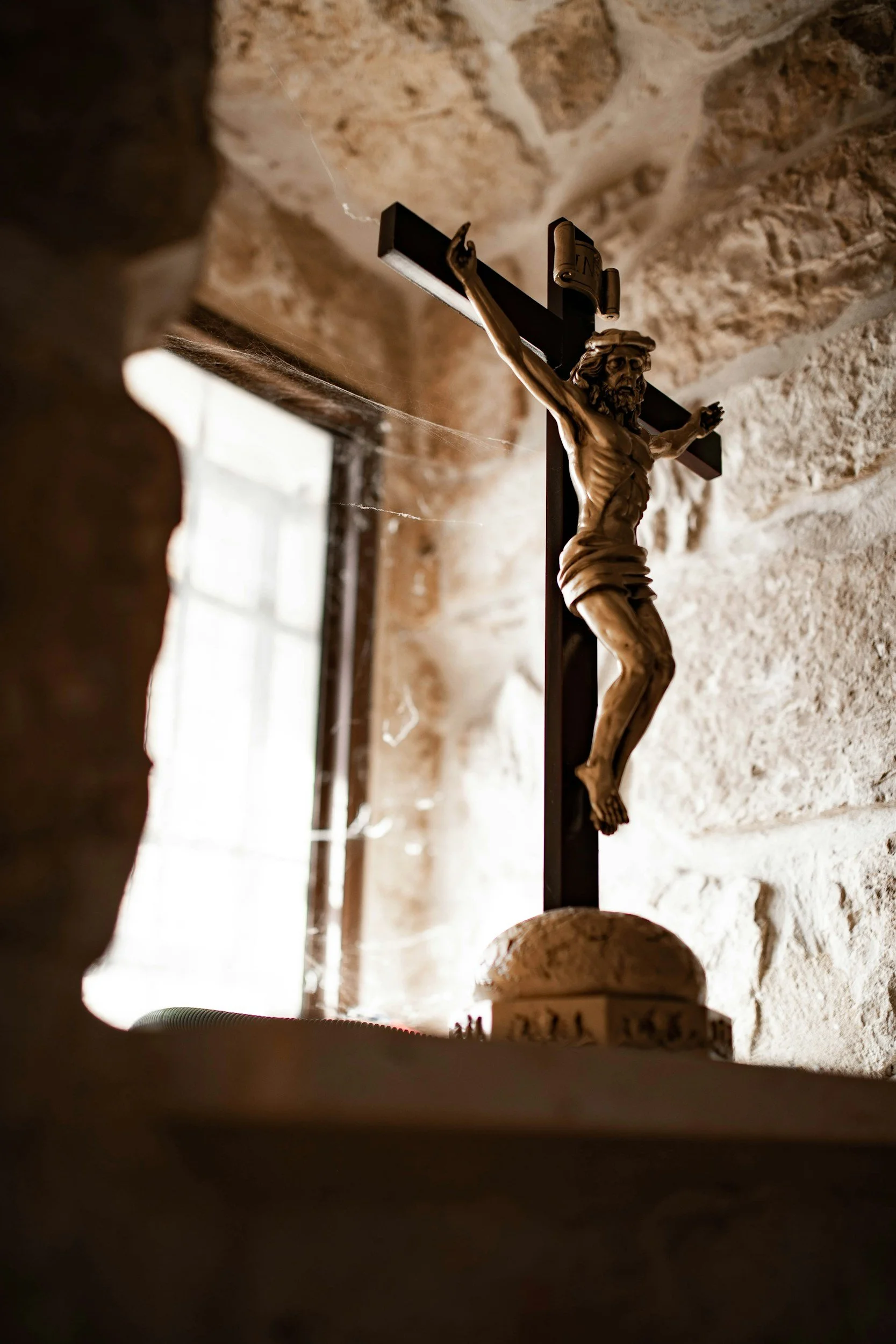
Saints throughout history have served as spiritual guides, intercessors, and models of Christian living, leaving an enduring legacy on the faithful across generations. More uniquely, saints haven’t just been honored in what many people place under the general label of Catholic, instead they’ve played pivotal roles in various denominations.
Roman Catholicism: In the Roman Catholic Church, saints are venerated and often serve as patrons of particular causes, professions, or places. They are believed to intercede for believers, meaning they can pray to God on behalf of those who seek their aid. This is the most commonly associated denomination (even though some Christians have Catholics in their category, for my sake and yours I am labeling them as denominations and under the broad umbrella of Christianity).
Eastern Orthodoxy: The Eastern Orthodox Church also honors saints, referring to them as "holy" or "righteous" ones. These saints are celebrated through feast days and are often depicted in icons, which serve as visual reminders of their sanctity and examples to emulate.
HISTORY SIDE FACT:
I’ve had the honor and great experience of having discussions with both Russian (though not always labeled as Eastern Orthodox) and Greek Orthodox friends. With their help, I began to understand the differences between Eastern Orthodox and what half of my family follows Roman Catholicism. Also, spending hours in history classes and church history classes I sorted out the most common difference.
So to sum it up for those trying to understand Church history here is a quick run-down: The Roman Catholic and Eastern Orthodox Churches, while sharing a common foundation in early Christianity, differ significantly in theology, liturgy, and ecclesiastical structure.
One of the primary theological differences is the concept of the Holy Trinity: the Catholic Church includes the Filioque clause in the Nicene Creed, stating that the Holy Spirit proceeds from both the Father and the Son, while the Orthodox Church asserts that the Holy Spirit proceeds from the Father alone.
Liturgically, the Roman Catholic Church follows the Latin Rite with services often conducted in the vernacular language, whereas the Eastern Orthodox Church adheres to the Byzantine Rite with services typically conducted in Greek, Russian, or other native languages, featuring elaborate rituals and iconography.
Ecclesiastically, the Roman Catholic Church is centralized under the authority of the Pope, considered infallible in matters of doctrine, while the Eastern Orthodox Church is a communion of autocephalous (self-governing) churches, each led by its own patriarch or bishop, with no single authoritative figure equivalent to the Pope.
These differences, rooted in historical, cultural, and theological developments, have shaped distinct identities for each tradition while maintaining a shared commitment to the core tenets of Christianity.
Protestantism: While many Protestant denominations do not practice the formal veneration of saints as in Catholicism or Orthodoxy, they still respect and honor notable Christian figures' historical and spiritual contributions. Saints in Protestant traditions are often seen more as historical examples of faith rather than intercessors.
Growing up I always saw Protestants as their own category, unaffected/against the Catholic church. However, as I grew and dug deeper into the time of late medieval, and early Renaissance (as well as doing Master’s and PhD courses in Reformation history) I began to understand just how connected the two are and how they branched into different areas.
By understanding the Catholic church during the time of the Reformation, I began to understand the traditions, and doctrine of Protestantism even more. Which in turn, helped me develop many essays and standpoints on how women who turned to Protestantism in the early days of the Reformation had many chances, choices, and paths to pave for future female agency, rights, and identity not only with themselves but with society, politics, and religion. In many ways, Protestantism presented a new frontier for women to redefine their place in society. However, this is not to say that all Catholic women were ‘oppressed,’ you’ll see that in the examples of some of these women, and this is also not to say that some Protestant denominations didn’t use this as a chance to inhibit women’s rights either.
Back to the Catholics though, by studying them I also understood, why so many protestants held onto some of Church history from the Catholic side and continued to honor some individuals (not in the respect that Catholics do as saints) but with great respect or granting the title of martyr. All terms and ideas we’ll dive into during the Reformation series in October.
The Role and Impact of Female Saints

Historically, female saints have played a crucial role in the history of Christianity, embodying virtues such as courage, charity, wisdom, and steadfast faith. Their stories often highlight their resilience in the face of persecution, dedication to serving others, and profound spiritual insights. The most obvious example of female saints apart from Mary the Mother of Jesus is:
Saint Mary Magdalene: Often referred to as the "apostle to the apostles," Mary Magdalene was one of Jesus' closest followers and the first to witness His resurrection. Her story emphasizes the important role women played in the early Church and their deep spiritual insights. It set the precedent for future female saints.
More importantly, female saints also made progress for women in general. Many ancient female saints executed power outside the realms of what was normally accepted for women at the time.
For instance, female saints have played a crucial role in advancing women's rights throughout history, often defying the norms of their times and setting powerful precedents.
Many were among the first women to receive formal education, using their knowledge to influence religious and political spheres. When normally women could even be put to death or imprisoned for speaking in public, handling their own money, or preaching to the public merely because of their gender. They navigated a patriarchal society that often limited their roles and voices. Many of these women defied societal norms, embracing vocations and missions that were unconventional for their time.
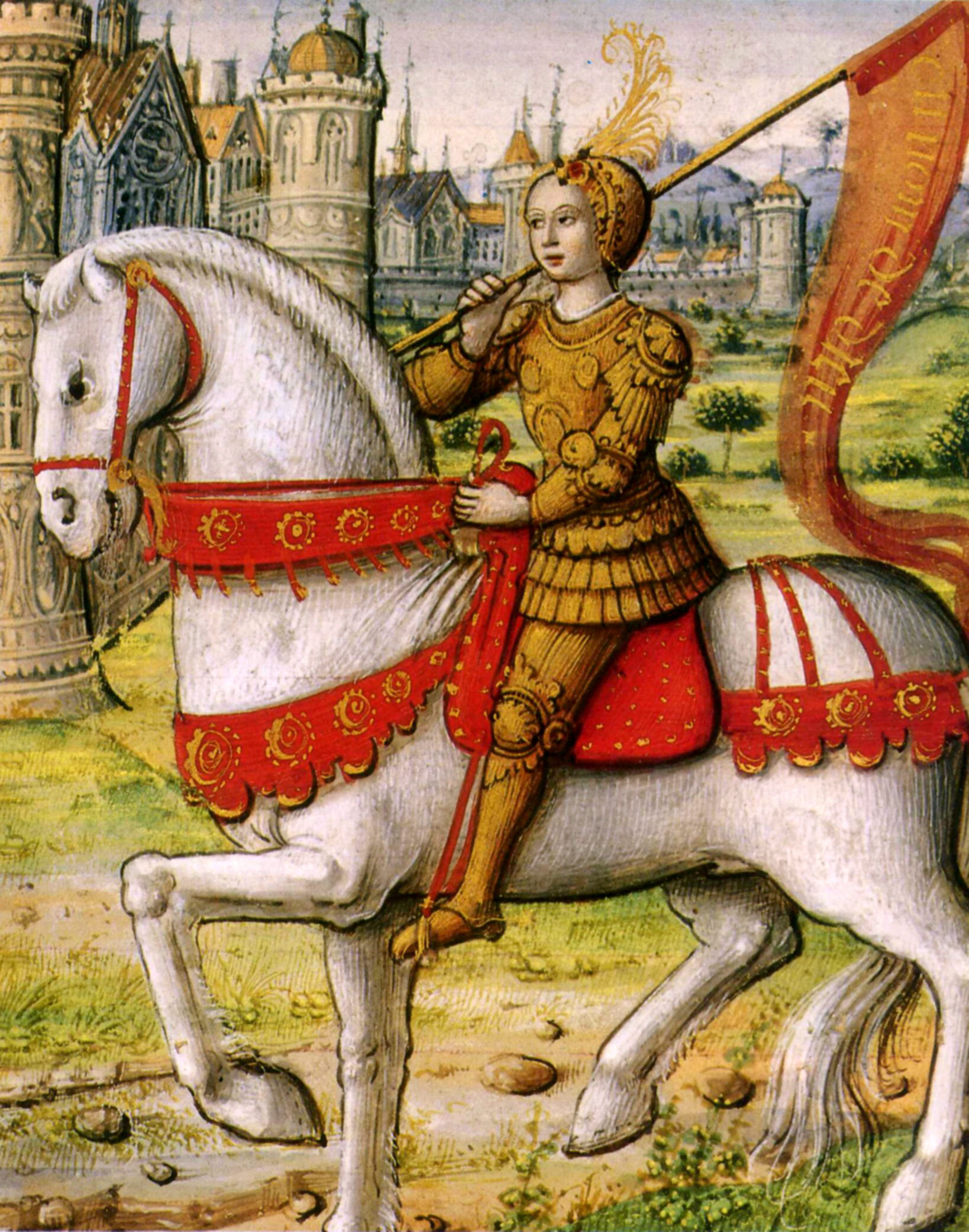
Some examples include Saint Joan of Arc who broke gender barriers by leading troops and speaking out in court during her trial, challenging medieval norms.
Also, Saint Teresa of Ávila, a mystic and reformer, emphasized the intellectual and spiritual capabilities of women during the Renaissance, advocating for the education and empowerment of her fellow nuns.
Meanwhile, Saint Catherine of Siena spoke out in the courts of kings and popes, negotiating peace and advising on matters of state.
In modern times, Saint Mother Teresa's global humanitarian work highlighted issues of poverty and human dignity, reinforcing the notion that women can be powerful agents of change.
These women also contended with internal Church resistance, societal skepticism, and personal sacrifices, all while maintaining unwavering faith and dedication. Their perseverance and impact not only advanced spiritual causes but also laid the groundwork for greater recognition and roles for women within both religious and secular contexts. These female saints not only advanced spiritual causes but also championed women's rights and roles in society from the medieval era to the present day.
The Way Society Has Honored Female Saints:
Female saints are honored in various ways within Christian traditions. Feast days are dedicated to their memory, churches and chapels are named after them, and their lives are depicted in religious art. They serve as patrons for different causes, offering inspiration and guidance to those who seek their intercession.
More commonly many individuals name their children after them, wear necklaces with their images on them, and some individuals still plan their vacation pit stops at churches or sites these individuals walked and lived during their lives.
Modern Relevance: The stories of female saints continue to resonate with believers today, offering examples of how to live a life of faith, courage, and compassion. Their legacies remind us of the important contributions women have made to the Christian faith and encourage us to pursue our own spiritual journeys with the same dedication and fervor.
Overall, female saints have made an indelible impact on the history of Christianity, serving as powerful examples of faith, perseverance, and love. From early martyrs to modern mystics, their stories continue to inspire and guide believers around the world. As we honor these remarkable women, we are reminded of the enduring strength and resilience that characterize a life dedicated to God. So, I hope you join me on my series on Female Saints throughout the next weeks.
Below is some additional resources for continued learning. If you’re not a reader I included some fun films as well! And below that are some reflection questions for you! I always encourage journaling and thought a few questions could create a Bible Study feel. I’d love to hear your answers to the questions, so please comment, post on FB or email me your answers! I also highly encourage community so feel free to (only nicely) respond to others!

Want More? Here are some Resources on Saints:
Books
"Butler's Lives of the Saints" by Alban Butler
"Saints: A Year in Faith and Art" by Rosa Giorgi
"The Lives of the Saints" by Reverend S. Baring-Gould
"All Saints: Daily Reflections on Saints, Prophets, and Witnesses for Our Time" by Robert Ellsberg
"My Life with the Saints" by James Martin
Journal Articles
"The Cult of the Saints" by Peter Brown - The Journal of Roman Studies
"Saints and Their Cults: The Functioning of a Popular Religion" by Stephen Wilson - Past & Present
"The Medieval Cult of Saints: Formations and Transformations" by André Vauchez - Journal of Religious History
"Saints and Sainthood in the Early Church" by James Howard-Johnston and Paul Antony Hayward - The Journal of Ecclesiastical History
Movies
"The Song of Bernadette" (1943) - Story of Saint Bernadette Soubirous
"A Man for All Seasons" (1966) - Life of Saint Thomas More (A personal favorite of mine)
"Therese" (1986) - Life of Saint Thérèse of Lisieux
"Becket" (1964) - Story of Saint Thomas Becket
"The Passion of Joan of Arc" (1928) - Life and trial of Saint Joan of Arc
Resources on Female Saints
Books
"Women of Faith: Saints and Martyrs of the Christian Faith" by Rosemary Ellen Guiley
"Saints and Sinners: Women and Religion in the Medieval World" by Jane Tibbetts Schulenburg
"Saints: The Chosen Few" by Manuela Dunn Mascetti
"Joan of Arc: A History" by Helen Castor
"Teresa of Ávila: The Progress of a Soul" by Cathleen Medwick
Journal Articles
"Female Saints and Their Roles in the Early Church" by Elizabeth A. Clark - Church History
"Holy Women of Byzantium: Ten Saints' Lives in English Translation" by Alice-Mary Talbot - Dumbarton Oaks Papers
"The Female Saints of the Benedictine Tradition" by Ann Loades - Theology Today
"Saints, Women, and Social Structure in Late Medieval and Early Modern Europe" by Katherine L. French - Journal of Women's History
Movies
"The Messenger: The Story of Joan of Arc" (1999) - Life of Saint Joan of Arc
"Therese" (2004) - Story of Saint Thérèse of Lisieux
"Saint Teresa of Ávila" (1984) - Life of Saint Teresa of Ávila (Spanish mini-series)
"Clare and Francis" (2007) - Lives of Saint Clare of Assisi and Saint Francis of Assisi
"Mother Teresa" (2003) - Life of Saint Teresa of Calcutta
These resources provide a comprehensive look into the lives and impacts of saints, with a special focus on the contributions and stories of female saints throughout history.
Reflection Questions:

Personal Reflection:
What qualities or virtues of a particular saint resonate most with you? Why?
How can the life of a saint inspire your own spiritual journey and daily actions?
Understanding Sainthood:
How does the concept of sainthood differ between Catholic and Protestant traditions?
Why do you think saints are important figures in the Christian faith?
Biblical Foundations:
Can you find examples in the Bible of individuals who lived saintly lives? How do their stories compare to those of canonized saints?
How do the Beatitudes (Matthew 5:1-12) relate to the lives of saints?
Role of Female Saints:
What challenges did female saints face, and how did they overcome them?
How did the contributions of female saints advance the role of women in the Church and society?
Intercession and Inspiration:
For Catholics: How do you understand the role of saints in interceding for us? Have you ever prayed for a saint’s intercession?
For Protestants: How do you draw inspiration from the lives of saints without the practice of intercession?
Historical Impact:
How have saints, especially female saints, influenced the course of Christian history?
In what ways can learning about saints enrich your understanding of Christian heritage and tradition?
Modern Relevance:
How can the stories of saints, both male and female, be applied to modern issues and challenges?
Are there contemporary figures who you believe embody saintly virtues? Who are they and why?
Spiritual Practices:
How can you incorporate the teachings and examples of saints into your own spiritual practices?
What specific actions or changes can you make in your life to emulate the virtues of a saint you admire?
Community and Witness:
How can the lives of saints encourage you to be a better witness to your faith within your community?
In what ways can your community of faith collectively honor and learn from the examples set by saints?
Personal Growth:
What steps can you take to develop virtues that were exemplified by the saints, such as humility, charity, and perseverance?