The Untold Tales of the High Seas: A Series on Female Pirates

Pirates have long captured our imaginations, from the legendary Blackbeard to the swashbuckling characters in movies like Pirates of the Caribbean. These figures of the high seas, with their eye patches, treasure maps, and ships, are often depicted as male. However, the history of piracy is not just a tale of men. Hidden within the annals of history are the stories of fierce and fearless women who defied the conventions of their time to become some of the most notorious pirates the world has ever known.
Personally, I have a certain fondness for pirates. Ever since I was little I loved hearing stories which encompassed these ‘larger than life’ personalities. I remember devoring books that incorporated female pirates in them when I was young. My favorite series being The Jacky Faber Series (Bloody Jack Series). However, my fondness grew when attending my undergrad at Southwestern University where our school symbol was nothing but a pirate.

(Senior Year Spring Break) During my time at Southwestern, I had the privilege of reading and hearing lectures on the history of pirates. It also was mandatory reading in one of my history classes. During this time I became fascinated with Mary Read and others who will be included in the series below. I also would go on to present papers I wrote and researched at various history conferences on these dynamic women. I believe I became so fascinated because these women truly stepped outside the normal ‘gender’ barriers of their time; and proved to be just as fiersome and successful, if not more, than their male counterparts. For me, these IT GIRLS, though characterized as criminals sometimes represent the struggle sometimes still felt today by women competing in a man’s arena. I believe we can take inspiration from them and learn from their show of strength and resilience to follow their dream and make a life for themselves whether or not society approves.
I hope this article series not only gives you a quick lesson on pirates and the stories of women who dared board the Jolly Roger, but also inspires you to be just as fearsome and resilient in your life as you work towards your dreams.
A Brief History of Piracy
Piracy has existed as long as there have been ships and oceans to sail. The earliest records of piracy date back to ancient times, with pirates preying on merchant ships in the Mediterranean Sea. The term "pirate" itself comes from the Greek word peirates, meaning "one who attacks ships." Throughout history, pirates have been both feared and romanticized, seen as both ruthless criminals and daring adventurers.
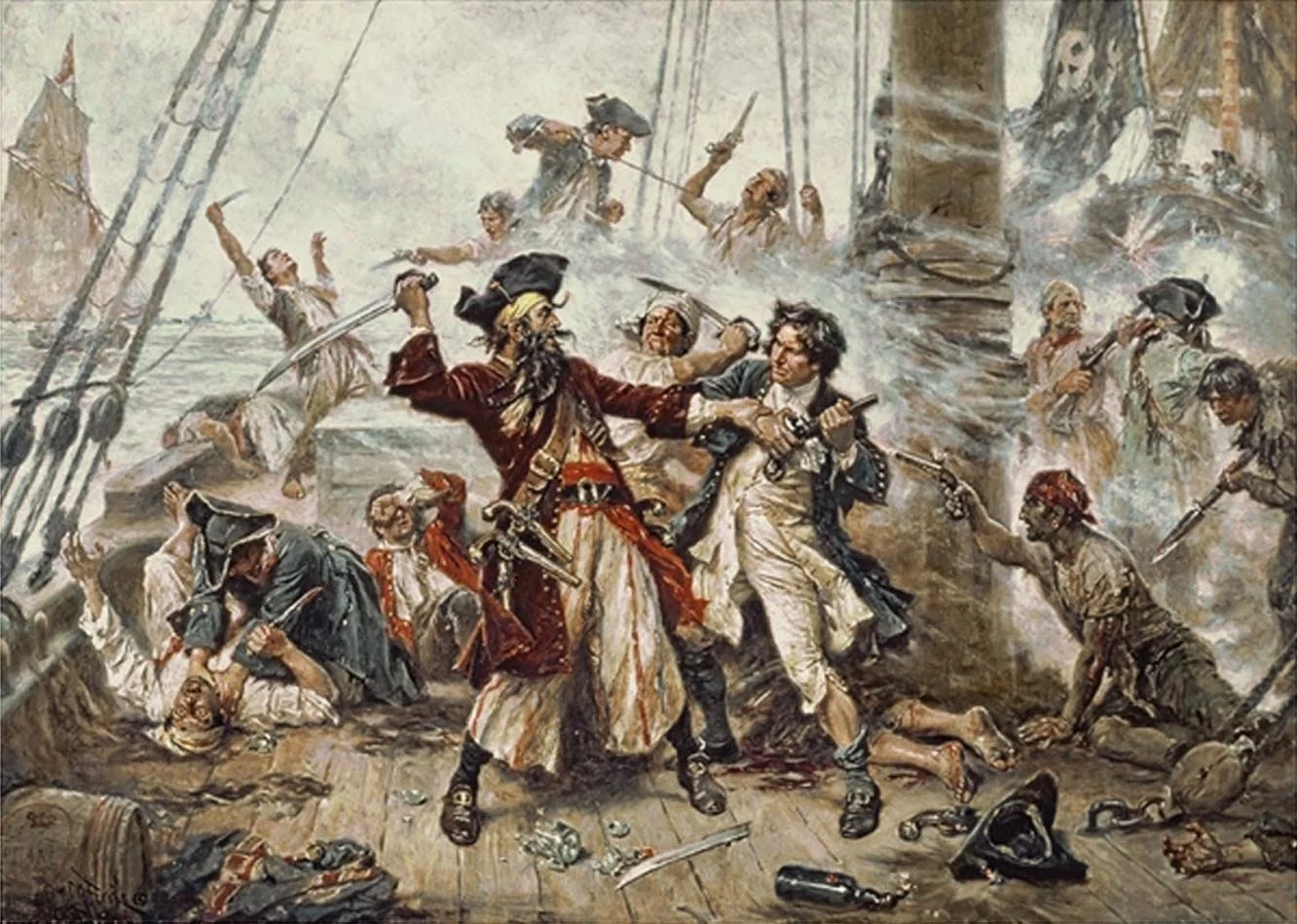
During the Golden Age of Piracy, roughly from 1650 to 1720, the Caribbean Sea, the American coast, and the West African coast were teeming with pirate activity. This era produced some of the most famous pirates, such as Blackbeard, Captain Kidd, and Henry Morgan. Pirates operated outside the law, forming their own codes of conduct, and many lived by a strict, if brutal, code of equality among their crews.
Pirate law and code, often referred to as the "Pirate Code" or "Articles of Agreement," developed as a means of maintaining order and fairness among pirate crews, who operated outside the bounds of conventional society and law. These codes were mutually agreed upon by the crew before setting sail and were strictly enforced. They outlined rules for the division of loot, compensation for injuries, conduct on board, and the responsibilities of each crew member.
The Pirate Code also ensured a level of democracy uncommon for the time, with decisions such as electing a captain or determining a course of action often being put to a vote. This system of governance helped to maintain discipline and cohesion among crews, who were often composed of men (and occasionally women) from diverse backgrounds. The development of these codes reflects the necessity of order in the chaotic world of piracy, where mutual respect and clearly defined roles were essential for survival and success.
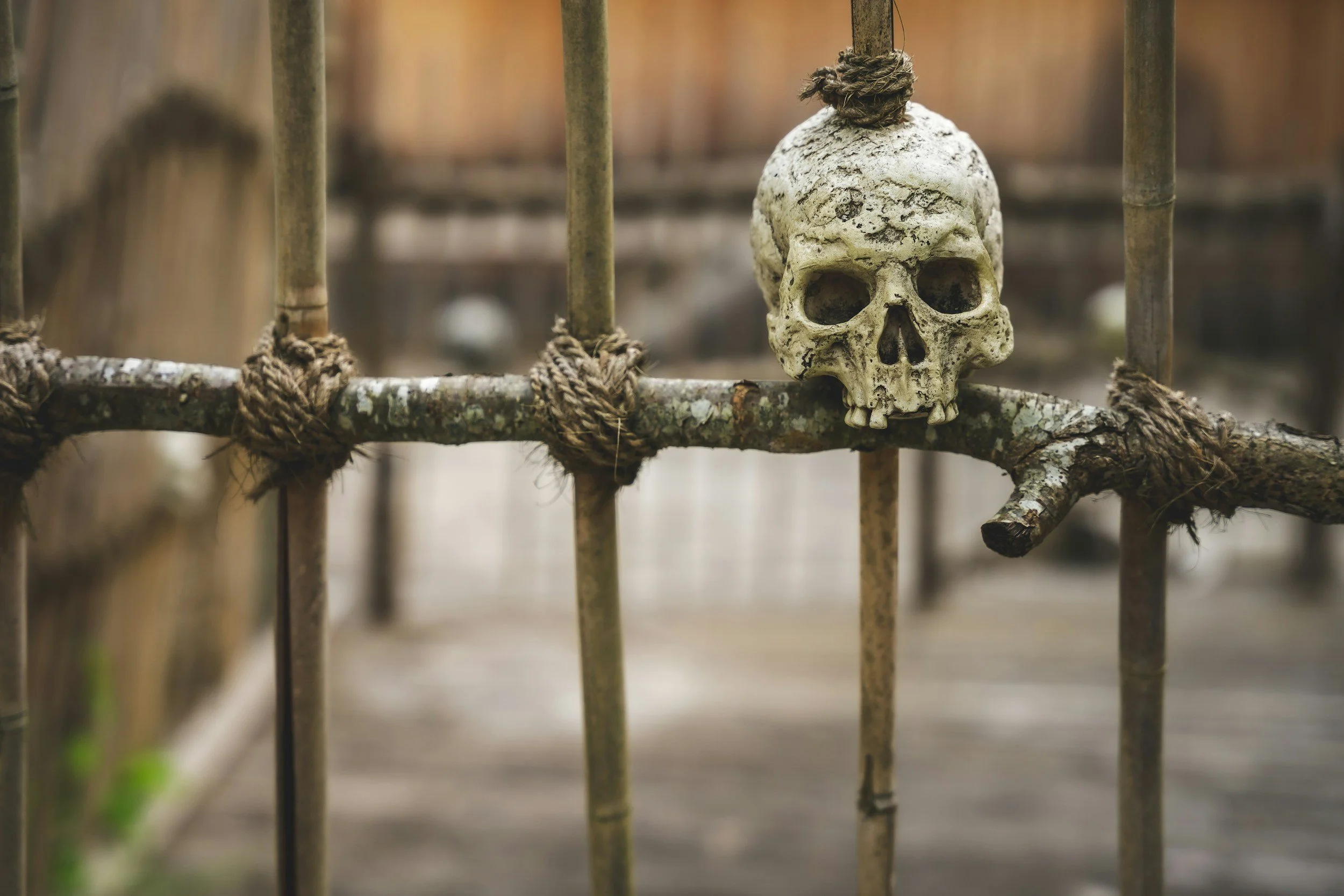
The punishment for being a pirate was severe and often carried out with brutal efficiency. Piracy was considered a grave crime, especially during the height of the Golden Age of Piracy in the 17th and 18th centuries, and those caught were typically tried quickly and sentenced to death. The most common method of execution was hanging, often carried out at sea or in public to serve as a stark warning to others.
In England, captured pirates were often hanged at Execution Dock in London, where their bodies might be left to rot in gibbets as a grim deterrent to would-be pirates. In some cases, more lenient punishments, such as imprisonment or exile, were given, particularly if a pirate had surrendered voluntarily or was seen as having been forced into piracy. However, for most, the end of a pirate’s career was marked by a noose and the gallows.
Women and the Call of the Sea
The world of piracy was a male-dominated one, but several women defied societal norms and became pirates for a variety of reasons. Some sought freedom from the oppressive restrictions placed on them by society, while others were driven by a thirst for adventure, revenge, or survival. Many women who became pirates disguised themselves as men to join pirate crews, where they proved to be just as formidable as their male counterparts.
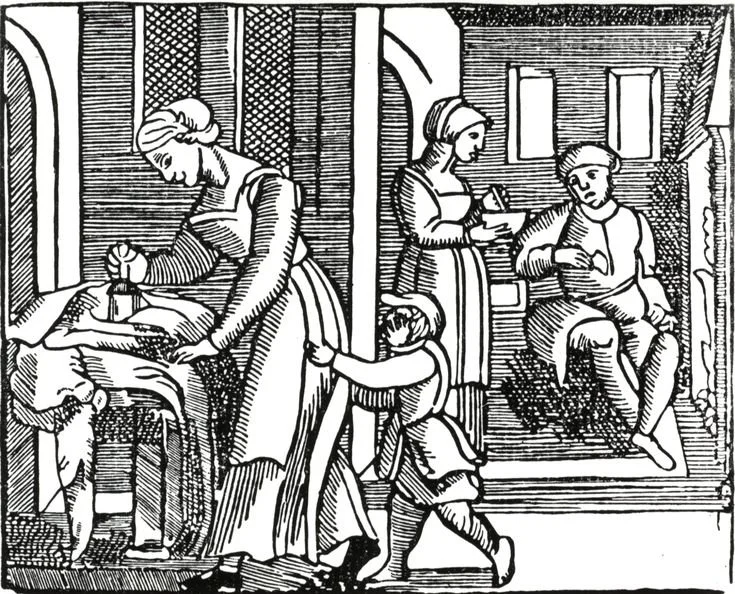
In a world where women were often relegated to the sidelines, piracy offered an unusual form of equality. In most societies during the 17th and 18th centuries, the roles deemed suitable for women were heavily influenced by strict social norms and expectations. Women were typically confined to domestic duties, such as managing the household, raising children, and performing tasks like cooking, cleaning, and sewing.
In more privileged families, women might also engage in social activities, charity work, or oversee the education of their children. For those in lower social classes, suitable work often included roles as seamstresses, maids, laundresses, or midwives.
Women were largely excluded from more adventurous or profitable occupations, such as seafaring or trade, which were considered the domain of men. The limited opportunities for women to achieve financial independence or social mobility likely contributed to the appeal of piracy for those who sought to break free from societal constraints.
On board a pirate ship, what mattered most was skill, bravery, and loyalty—not gender. These women often took on leadership roles, commanded ships, and fought alongside men, earning their place in pirate history.
Notable Female Pirates
Throughout history, several women have left their mark as pirates. Here are some of the most notable female pirates which we will look into in the coming posts:
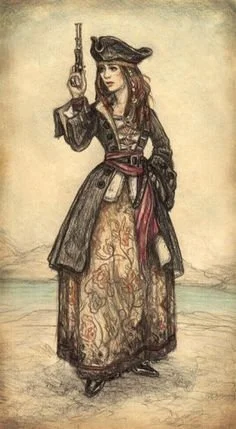
Anne Bonny: An Irish-born pirate who became notorious in the Caribbean alongside Calico Jack Rackham. Known for her fiery temper and combat skills, she disguised herself as a man to join Rackham’s crew.
Mary Read: Like Anne Bonny, Mary Read disguised herself as a man to live a life of piracy. Her courage and fighting prowess made her a formidable pirate, and she is often remembered for her close partnership with Anne Bonny.
Ching Shih: A Chinese pirate who commanded a fleet of over 300 ships and 20,000 pirates in the early 19th century. Ching Shih is considered one of the most successful pirates in history, terrorizing the South China Sea and establishing strict laws that governed her fleet.
Grace O’Malley: Known as the "Pirate Queen of Ireland," Grace O’Malley led a fleet of ships and conducted numerous raids along the Irish coast in the 16th century. She was a formidable leader and even negotiated with Queen Elizabeth I.
Rachel Wall: Often considered the last American pirate, Rachel Wall operated along the New England coast in the late 18th century. She and her crew would lure ships into danger and then rob them.
Conclusion
In this series, we will dive deeper into the lives of these remarkable women and explore the circumstances that led them to a life of piracy. From the turbulent seas of the Caribbean to the treacherous waters of the South China Sea, these women broke the mold of what was expected of them and carved out their own place in history. Join me as we uncover the untold stories of the female pirates who ruled the waves.

Here's a list of resources for anyone interested in diving deeper into the history and culture of pirates:
Books
"Pirates: The Complete History from 1300 BC to the Present Day" by Angus Konstam
A comprehensive overview of piracy throughout history.
"Pirate Women: The Princesses, Prostitutes, and Privateers Who Ruled the Seven Seas" by Laura Sook Duncombe
Focuses on the stories of female pirates and their impact on history.
"Under the Black Flag: The Romance and the Reality of Life Among the Pirates" by David Cordingly
A well-researched exploration of pirate life, separating myth from reality.
"The Republic of Pirates" by Colin Woodard
A fascinating account of the golden age of piracy, focusing on the pirate republic in the Bahamas.
"Blackbeard: America's Most Notorious Pirate" by Angus Konstam
A detailed biography of one of the most famous pirates in history.
Academic Journals
"The Mariner's Mirror"
The journal of the Society for Nautical Research, often featuring scholarly articles on piracy.
"International Journal of Maritime History"
Provides historical analyses on piracy and maritime history from an academic perspective.
"Journal of Early Modern History"
Occasionally features articles on the economic and social impact of piracy during the early modern period.
Museums
Pirate Soul Museum (Key West, Florida)
A museum dedicated to the history and artifacts of piracy.
National Maritime Museum (Greenwich, London)
Includes exhibits on piracy and maritime law.
The Whydah Pirate Museum (West Yarmouth, Massachusetts)
Houses artifacts from the Whydah, the only authenticated pirate shipwreck in the world.
St. Augustine Pirate & Treasure Museum (St. Augustine, Florida)
A museum offering an interactive experience of pirate history.
Documentaries
"Pirates: Dead Men Tell No Tales" (2006)
Explores the myths and truths of pirate life.
"Blackbeard: Terror at Sea" (2006)
A documentary-drama about the life of the infamous pirate Blackbeard.
"Secrets of the Dead: Blackbeard’s Lost Ship" (2019)
Focuses on the archaeological excavation of Blackbeard's flagship, Queen Anne’s Revenge.
"Real Pirates" (2010)
A National Geographic documentary providing a broad look at the golden age of piracy.
"The Real Story: Pirates of the Caribbean" (2011)
Investigates the real pirates who inspired the popular film series.