The Untold Series of the High Seas: Female Pirates Mary Read: A Tale of Courage, Determination, and Defiance

The annals of piracy are often dominated by names like Blackbeard and Captain Kidd, but among these notorious figures, a few women defied societal norms to carve their own paths on the high seas. Mary Read is one such extraordinary figure, a woman whose life was as turbulent and adventurous as the waters she sailed. Her story offers timeless lessons in determination, creativity, and the relentless pursuit of happiness.
A Defiant Beginning
Mary Read was born in England around 1685 under unusual circumstances. Her mother, a widow, disguised Mary as her deceased older brother to secure financial support from her late husband's family. During her childhood, Mary Read served as a boy footman to an elite lady, continuing the charade her mother had started by dressing her as a boy. This role was part of her mother's efforts to secure financial stability after the death of Mary's older brother and father.
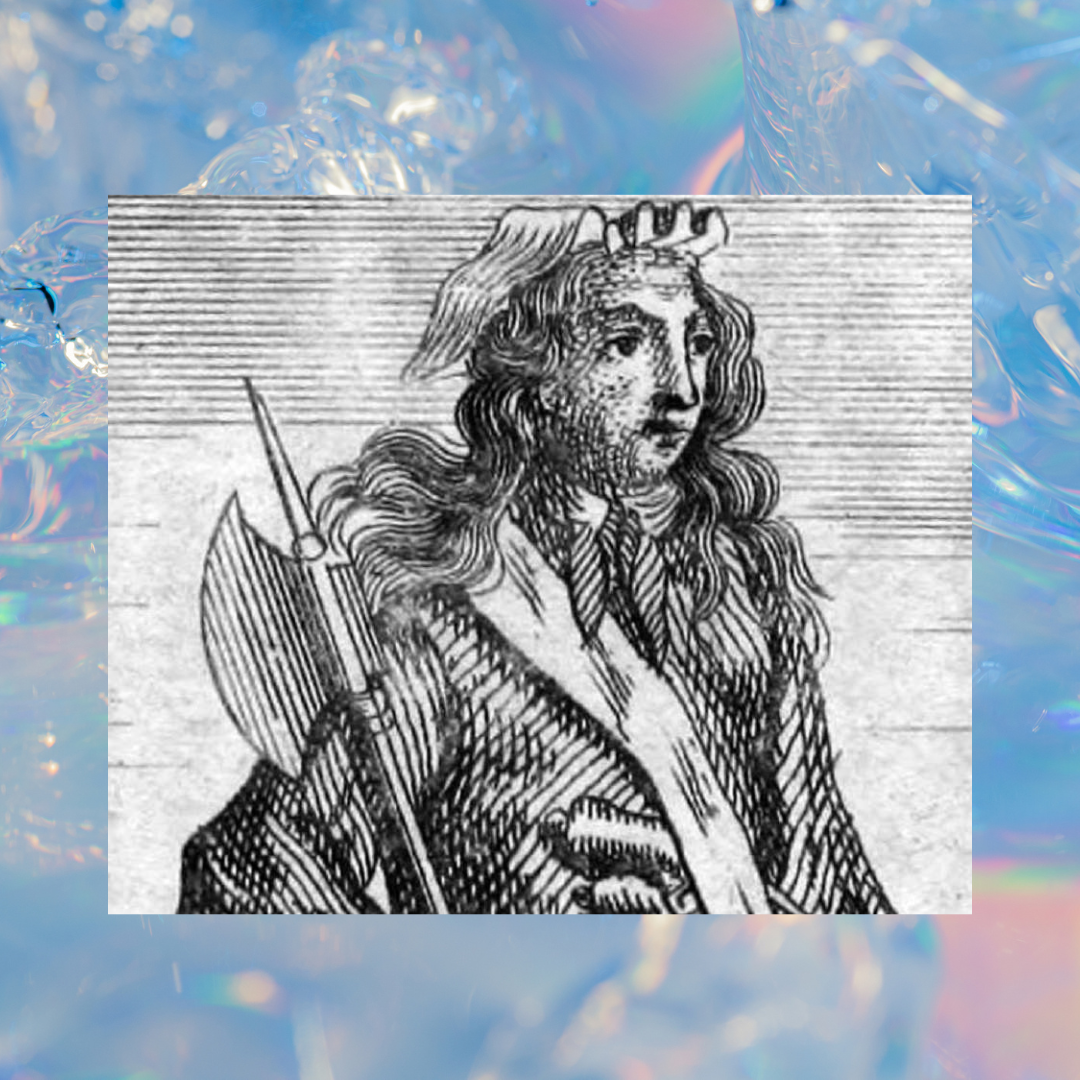
In the early 18th century, women who lacked a male provider—whether a father, husband, or brother—faced bleak prospects. Society offered few opportunities for women to earn a respectable living, and without the protection or financial support of a man, many were left vulnerable. Options were often limited to domestic servitude, begging, or worse, turning to prostitution as a means of survival. All of which usually resulted in an early death, commonly from disease or poor nutrition. Poverty was a constant threat, and those who couldn’t secure stable employment or a husband often found themselves destitute, struggling to survive in a harsh, unforgiving world. The societal constraints on women’s independence made their lives precarious, driving many into desperate situations. This may have been the reason Mary’s mother chose to disguise her as boy; rather than force her to face the other more unforgiving life paths of the time.
As a footman, Mary performed duties typically reserved for young boys, such as attending to the lady’s needs, running errands, and maintaining a formal appearance. This experience not only helped support her family but also ingrained in Mary the adaptability and resilience that would later define her extraordinary life. It also groomed her in the art of deception and showed her how men had certain opportunities in life that could leave her financially more stable and safe than if she were to choose the common career paths offered to women of the time.
A Soldier’s Life and a Secret Love
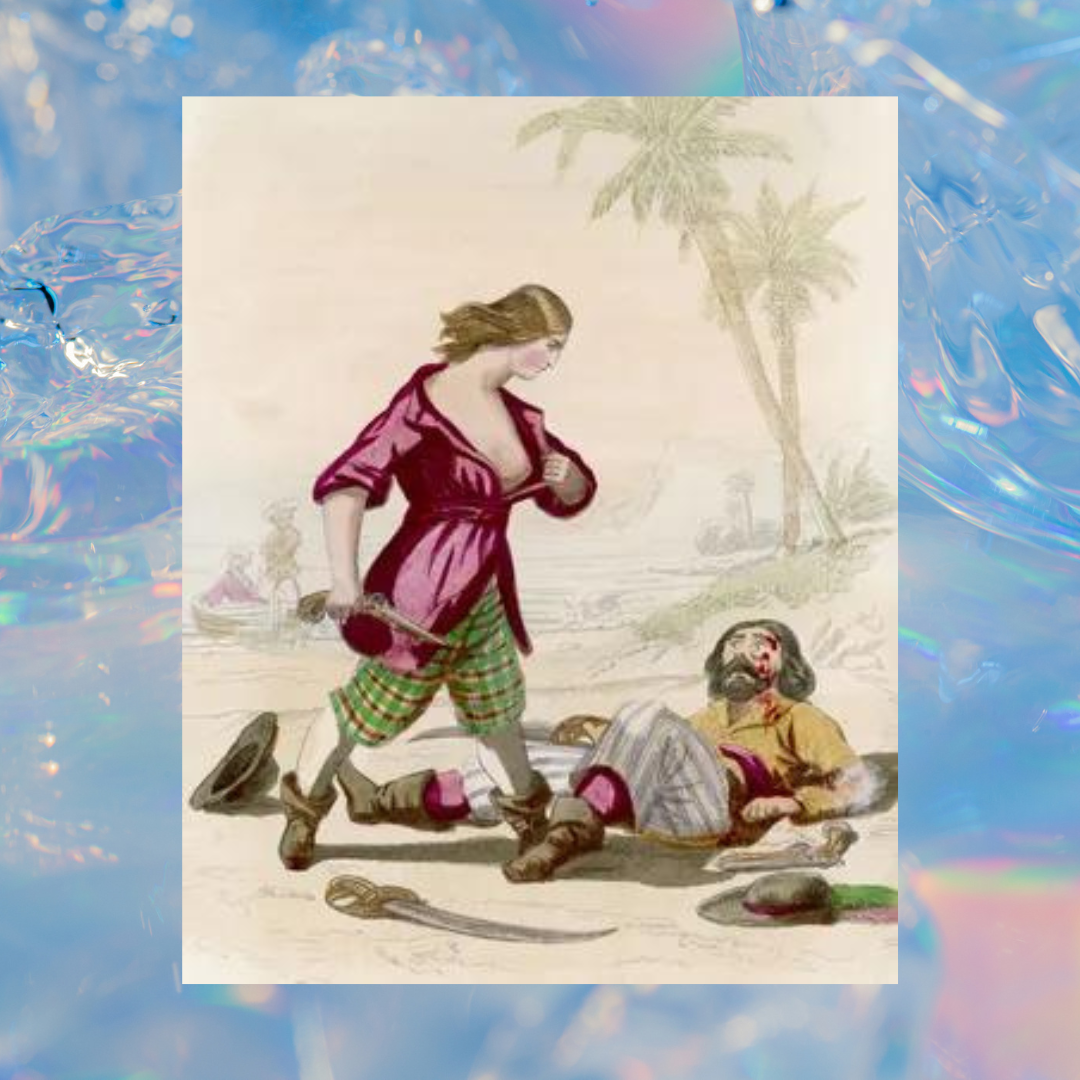
However, Mary’s early life took a significant turn when she enlisted in the British Army, continuing her disguise as a man. In the army, she learned to fight with precision and courage, skills that would later prove invaluable. Her time as a soldier wasn’t just about warfare; it was also where she discovered love. Mary fell deeply for a fellow soldier, and after revealing her true identity to him, they married in secret. The couple even opened a small inn together, enjoying a brief period of peace and domestic happiness. Unfortunately, her husband’s untimely death forced Mary back into the harsh realities of life, pushing her to seek adventure elsewhere—on the high seas.
From Soldier to Pirate
Mary’s journey into piracy began when she joined a Dutch ship that was captured by pirates. Rather than resist, she joined the crew, embracing the lawless life that offered a rare form of freedom. Her time as a pirate brought her into contact with another legendary female pirate, Anne Bonny, and they both served under the infamous Captain "Calico Jack" Rackham.
Mary’s reputation among her fellow pirates was formidable. She fought alongside men, proving herself in battle time and again. It is said that Mary once revealed her true identity to a fellow crew member after developing romantic feelings for him, showcasing her capacity for both vulnerability and strength.

Calico Jack A Tragic End
Mary Read’s life of adventure and defiance came to an abrupt end in 1720 when she, along with Anne Bonny and the rest of Rackham’s crew, was captured by the British Navy. They were tried for piracy and sentenced to hang. However, both Mary and Anne claimed to be pregnant, a plea that temporarily spared them from the noose. While Anne’s fate remains a mystery, Mary succumbed to a fever while imprisoned in Jamaica, dying in 1721 before her sentence could be carried out.
Lessons from Mary Read: Determination and Creativity in Pursuit of a Happier Life
Mary Read's fearless defiance and unyielding spirit have profoundly inspired me to embrace my own identity and pursue my aspirations with conviction. After my brain injury during my junior year of college, I found myself reevaluating my life and realizing that my true path lay in making choices that truly reflected who I am.
When I read Mary’s life story of fighting for her own freedom and living authentically, this empowered me even more to take bold steps toward my dreams.
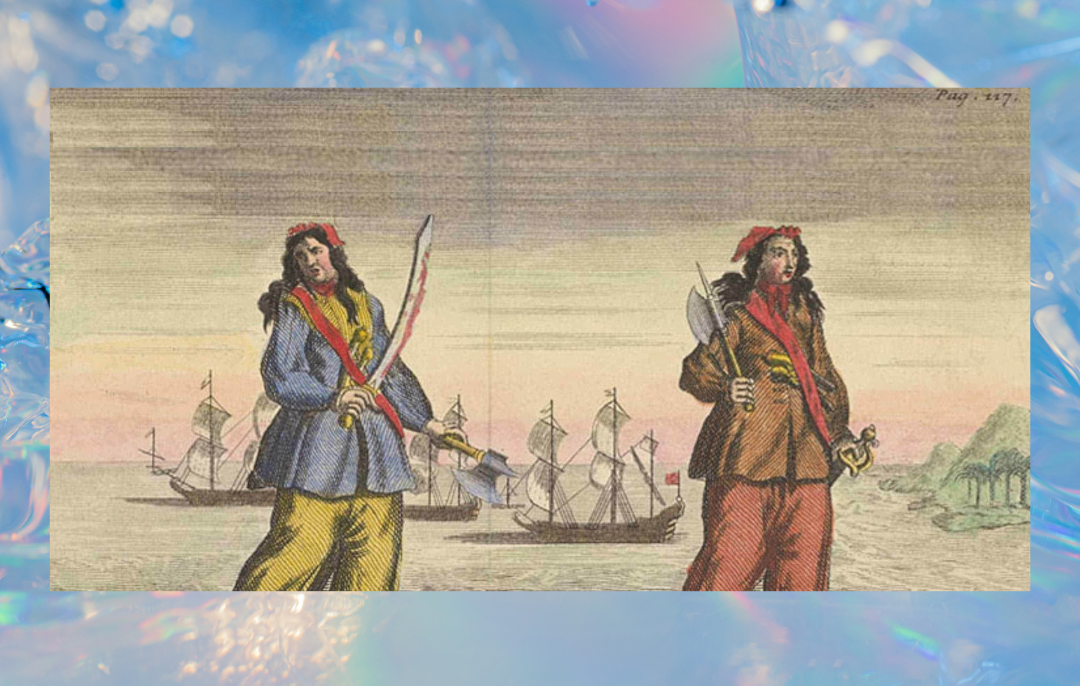
She is an inspiration that continues to fuel my decisions. It was stories like hers that caused me to go to London for my senior year and immerse myself in Tudor History, a subject I’ve always been passionate about. Before my injury, I had resigned from the program for various reasons, all of which boiled down to fear and doubt in myself. However, after my large ‘wake-up call’ I realized it’s what I not only wanted to do; but had to in order to live the life I knew I was supposed to.
Ultimately, Mary Read’s legacy reminded me that true freedom comes from living boldly and unapologetically in pursuit of one’s own desires, and it was this realization that gave me the courage to chart my own course and embrace the journey ahead.
Mary Read’s life, though fraught with danger and ultimately cut short when she was captured and died in prison, offers powerful lessons for women today and I hope you find inspiration from her like I did.

First day in London with my friend Haylee on our Tudor History Adventure
Embrace Your Identity, Even When It's Unconventional
Mary’s ability to switch between male and female identities as needed demonstrates a resourceful adaptability. In a world that often demands conformity, her life encourages women to embrace their unique qualities, even if they defy societal norms. Creativity in how we present ourselves and pursue our goals can lead to unexpected opportunities and fulfillment.For me, this resonated with my choice to study Tudor History in London instead of graduating early and pursuing a more conventional degree in communications. This choice was a powerful testament to embracing my true identity, even when it diverges from the expected path. One of which I was highly encouraged to take from, friends, family and college career experts.
For me, my decision reflected my commitment to following my genuine interests and passions, despite the potential for taking a less traditional route. By opting to delve into a field that excites and fulfills me, I affirmed my individuality and rejected the pressure to conform to more conventional career trajectories.
As I look back I realize this choice underscores my dedication to living authentically and pursuing what resonates with me, demonstrating that true fulfillment comes from embracing one’s unique identity, even when it means diverging from the norm. One I know many students face today; what I hope is that if you are struggling with this, you’ll have the courage to embrace your identity, not a friends/family/or career coaches. But instead, follow your true calling.
Fight for What You Want, Even When the Odds Are Against You
Mary’s determination to thrive in a male-dominated world speaks to the importance of persistence. Whether in career aspirations, personal goals, or navigating life’s challenges, the resolve to keep pushing forward—despite obstacles—can be the key to unlocking success and happiness.In my own example from what Read’s life inspires for me, choosing to study Tudor History in London taught me the profound importance of fighting for what I want. Choosing history and studying in London was no little feat. I faced many challenges and quite a bit of skepticism.
You see, after my near-death experience, I was confronted with significant resistance from both my school and my parents, who questioned whether such a bold decision was wise or feasible. Convincing them that moving to London was not only a viable but a necessary step required immense determination and resilience.
I had to demonstrate my unwavering dedication to history, proving that my passion was more than a fleeting interest. This involved showing my grades, writing an essay to the program as to why I should be allowed in late, and getting three letters from professors, a boss and a mentor as well who said I would commit myself to the program. (not to mention the doctor’s notes clearing me to go). This experience taught me that pursuing one’s dreams often involves overcoming obstacles and advocating fiercely for oneself, reinforcing that true commitment requires both courage and perseverance.
Though this was a lot of work, and at may times emotionally draining, (especially after also dealing with the reality of almost dying from brain bleeding) I would do it all over in a heartbeat.
Find Freedom in Your Choices
The high seas offered Mary a freedom she couldn’t find on land. While modern life is far removed from piracy, the essence of her pursuit—a life lived on her terms—remains relevant. Today, women can seek this freedom through choices that align with their passions and values, whether in their careers, relationships, or personal development.I gained so much inspiration from this and truly agree that you can find freedom in your choices. In my story here, studying in London granted me the freedom to fully explore and embrace my academic passions, allowing me to dive wholeheartedly into my craft of Tudor History.
Immersed in a city rich with historical significance, I discovered a newfound clarity about my future, realizing my desire to pursue a PhD in this field. The opportunity to engage deeply with my studies, without the constraints of conventional expectations, empowered me to envision a career that aligns with my true interests.
Additionally, living in London provided a transformative experience of growth in a vibrant new city and culture, broadening my perspectives and enriching my personal development. I believe everyone thinking about study abroad should go ahead and do it. Sometimes being in a new space does provide the freedom you need to discover who you are or are meant to be.
This freedom to choose and immerse myself in both my academic and cultural surroundings has been pivotal in shaping my aspirations and identity and I am now excited for round two as I finish up my PhD over the course of this final year.
A Legacy of Defiance
Mary Read’s story may have ended in tragedy, but her legacy as a fierce, determined woman lives on. Her life reminds us that breaking free from societal expectations requires courage and creativity. By drawing inspiration from her defiance, women today can navigate their own lives with the same resolve, crafting paths that lead to genuine fulfillment and happiness.
In the grand tapestry of history, Mary Read stands as a symbol of what it means to live boldly and unapologetically—an untold story of the high seas that continues to inspire.
If you loved this article, found it informative, or have a personal story of how she inspires you please feel free to comment, email me, or reshare this! I’d love to hear from you! And stay tuned for tomorrow’s article on Mary’s counterpart the fearsome Anne Bonny!

Further Reading:
Much of what we know about the early lives of Bonny and Read comes from a 1724 account titled A General History of the Robberies and Murders of the Most Notorious Pyrates, by Captain Charles Johnson (which some historians argue is a nom de plume for Robinson Crusoe author Daniel Defoe). A General History places Bonny’s birth in Kinsale, County Cork, Ireland, circa 1698. With some written accounts in the Bahamas of her. However, here is a list of gathered sources which expand on her story, as well as pirates in general.
Primary:
Captain Charles Johnson. A General History of the Robberies and Murders of the Most Notorious Pyrates. London: T. Warner, 1724.
National Archives. "Digital Copy of Pamphlet Entitled 'The Tryals of Captain John Rackam
and Other Pirates'." Will of Humphrey Howland, Draper of Saint Swithin, City of London | The National Archives. August 12, 2009. Accessed January 31, 2019. http://discovery.nationalarchives.gov.uk/details/r/C14075679.
Rare Book Division, The New York Public Library. "Anne Bonny and Mary Read convicted
of Piracy Novr. 28th 1720 in a court of Vice Admiralty held at St. Jago de Vega in ye island of Jamaica" New York Public Library Digital Collections. Accessed January 28, 2019. http://digitalcollections.nypl.org/items/8ae4f418-cab6-888e-e040-e00a18064518
Books:
Barry R. Burg. Sodomy and the Pirate Tradition: English Sea Rovers in the Seventeenth-Century Caribbean. New York: New York University Press, 1995.
David Cordingly. Seafaring Women: Adventures of Pirate Queens, Female Stowaways, and Sailors’ Wives. New York: Random House, 2007.
_________. Under the Black Flag: The Romance and the Reality of Life Among the Pirates. New York: Random House, 2006.
_________. Pirate Hunter of the Caribbean: The Adventurous Life of Captain Woodes Rogers. New York: Random House, 2011.
Margaret S. Creighton and Lisa Norling. Iron Men, Wooden Women: Gender and Seafaring in the Atlantic. Baltimore: John Hopkins University Press, 1996.
Tamara J. Eastman and Constance Bond. The Pirate Trial of Anne Bonny and Mary Read. Cambria Pines, CA: Fern Canyon Press, 2000.
Angus Konstam and Roger Kean. Pirates: Predators of the Seas. New York: Skyhorse Publishing, 2007.
Pennell, C. R. Bandits at Sea: A Pirates Reader. New York: New York University Press, 2001. Pirates of the Caribbean: The Curse of the Black Pearl. Directed by Gore Verbinski. June 28, 2003.
Elizabeth Kerri Mahon. Scandalous Women: The Lives and Loves of History’s Most Notorious Women. New York: Penguin Group, 2011.
C.R. Pennell. Bandits at Sea: A Pirates Reader. New York: New York University Press, 2011.
Rediker, Marcus. Villains of All Nations: Atlantic Pirates in the Golden Age. Boston: Beacon Press, 2004.
Rediker, Marcus. Between the Devil and the Deep Blue Sea: Merchant Seamen, Pirates and the Anglo American Maritime World, 1700-1750. New York: Cambridge University Press, 2010.
Ritchie, Robert C. Captain Kidd and the War against the Pirates. New York, NY: Barnes & Noble Books, 2006.
News Articles:
“Scholars Plunder Myths About Pirates, And It’s Such A Drag.” Wall Street Journal, April 23, 1992;
“West Indian Sketches.” New Hampshire Gazette, April 10, 1838; “How Blackbeard Met His Fate.” Washington Post, September 9, 1928;
“Seafaring Women.” Los Angeles Times, March 8, 1896; “Capt. Kidd and Others.” New York Times, January 1, 1899; “Female Pirates.” Boston Globe, August 9, 1903.
Academic Articles:
Cole, Benjamin. Anne Bonny and Mary Read (engraving). In Captain Charles Johnson, A General History of the Pyrates, From Their first Rise and Settlement in the Island of Providence, to the Present Time. . (London: T. Warner, 1724). Accessed January 15, 2019, The Project Gutenberg.
Cole, Benjamin. Captain Bartholomew Roberts with two ships (engraving). In Captain Charles
Johnson, A General History of the Pyrates, From Their first Rise and Settlement in the Island of Providence, to the Present Time. . (London: T. Warner, 1724). Accessed January 15, 2014, The Project Gutenberg.
Dawdy, Shannon Lee, and Joe Bonni. "Towards a General Theory of Piracy." Anthropological
Quarterly 85, no. 3 (2012): 673-99. doi:10.1353/anq.2012.0043.