Christian It Girls: Saint Helena - A Legacy of Intentionality
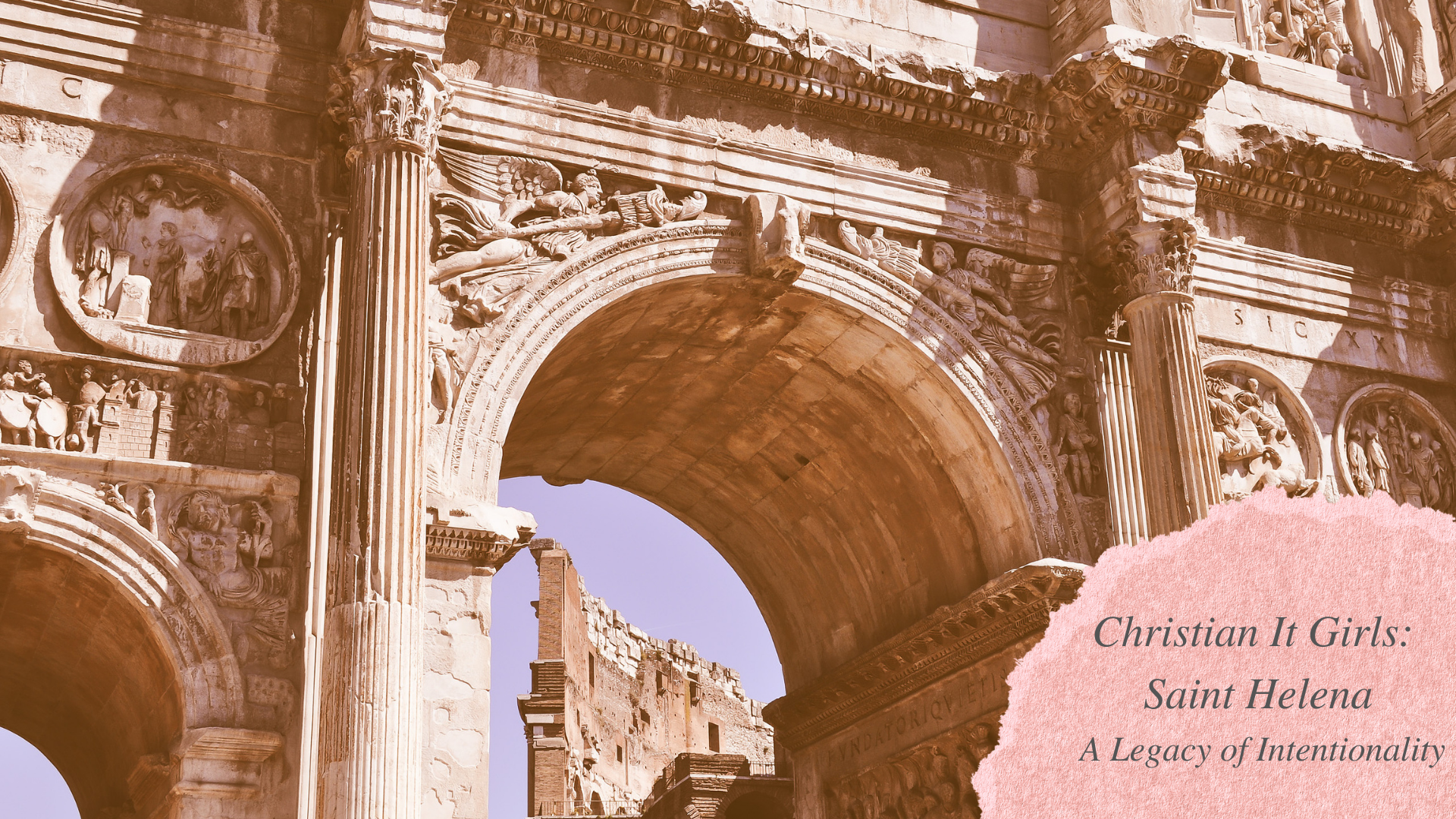
Welcome to the first feature post in our "Christian It Girls" series, where we celebrate the lives of extraordinary women in Christian history. As you already know from the first two articles that laid the groundwork, we are conquering a series on female saints. We’ll dive into their background, understand their overall life, and then take inspiration from them and use them as a pillar to lean on when we are going through similar trials.
Today, we’ll dive into the story of Saint Helena, a remarkable figure whose life and legacy continue to inspire intentionality and faithfulness.

Background and Historical Context
Saint Helena, also known as Helena of Constantinople, was born around 250 AD in the Roman province of Bithynia (modern-day Turkey). Her early life is shrouded in mystery, but she rose from humble beginnings to become the mother of Constantine the Great, the first Roman Emperor to convert to Christianity.
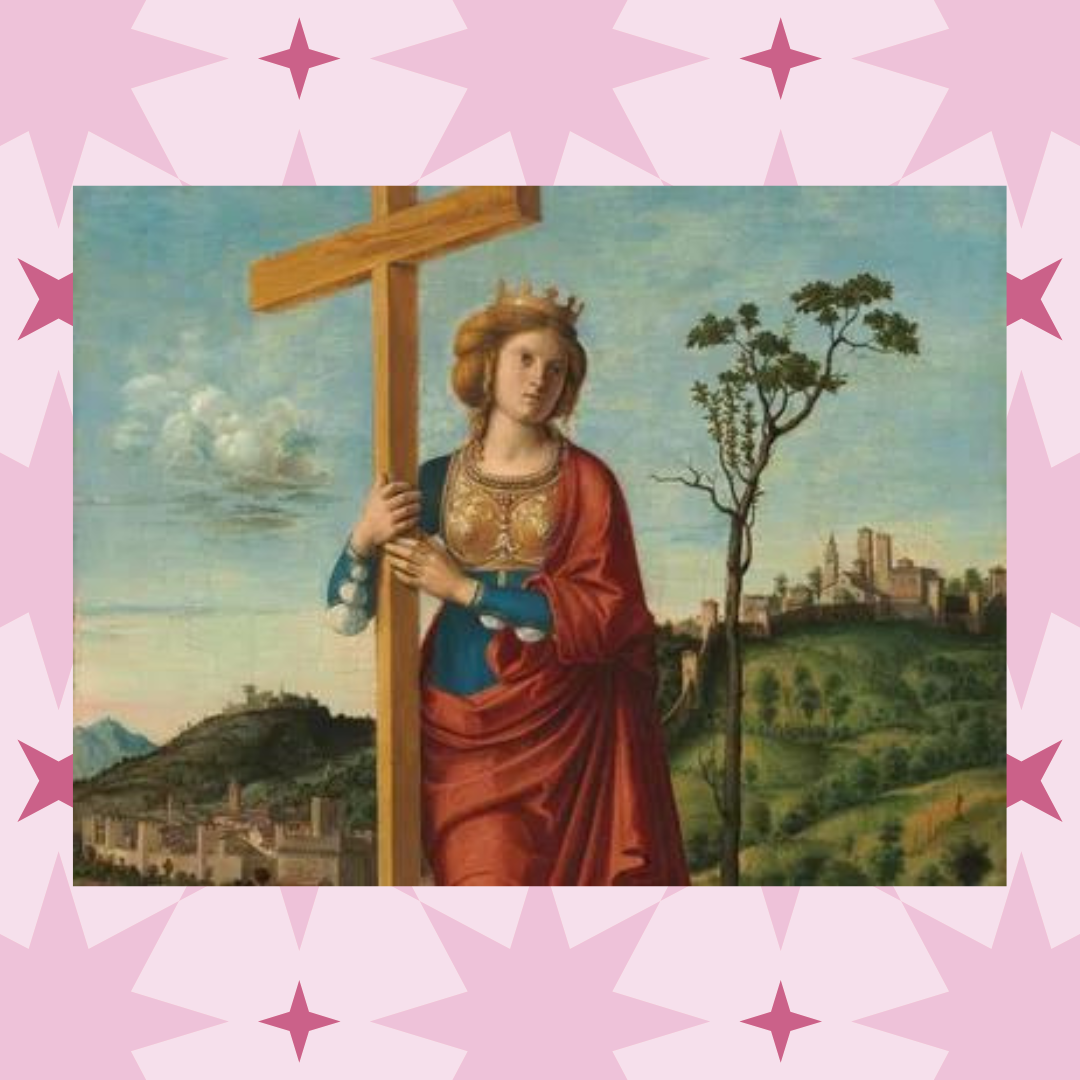
In a time when the Roman Empire was undergoing significant transformation, Helena’s life intersected with pivotal historical events. Before the rise of Christianity, most wives, including those like Saint Helena, mother of Constantine, played traditional and supportive roles within society. Their primary responsibilities were centered around managing the household, raising children, and maintaining family ties, often focusing on ensuring the stability and reputation of their family within the broader social and political landscape.
Women of noble or imperial standing, like Helena, were expected to embody virtues such as loyalty, modesty, and piety. They were also key in arranging marriages and forging alliances that would benefit their family's standing. Despite these important roles, women often had limited influence in public or political matters, their contributions largely confined to the private sphere.
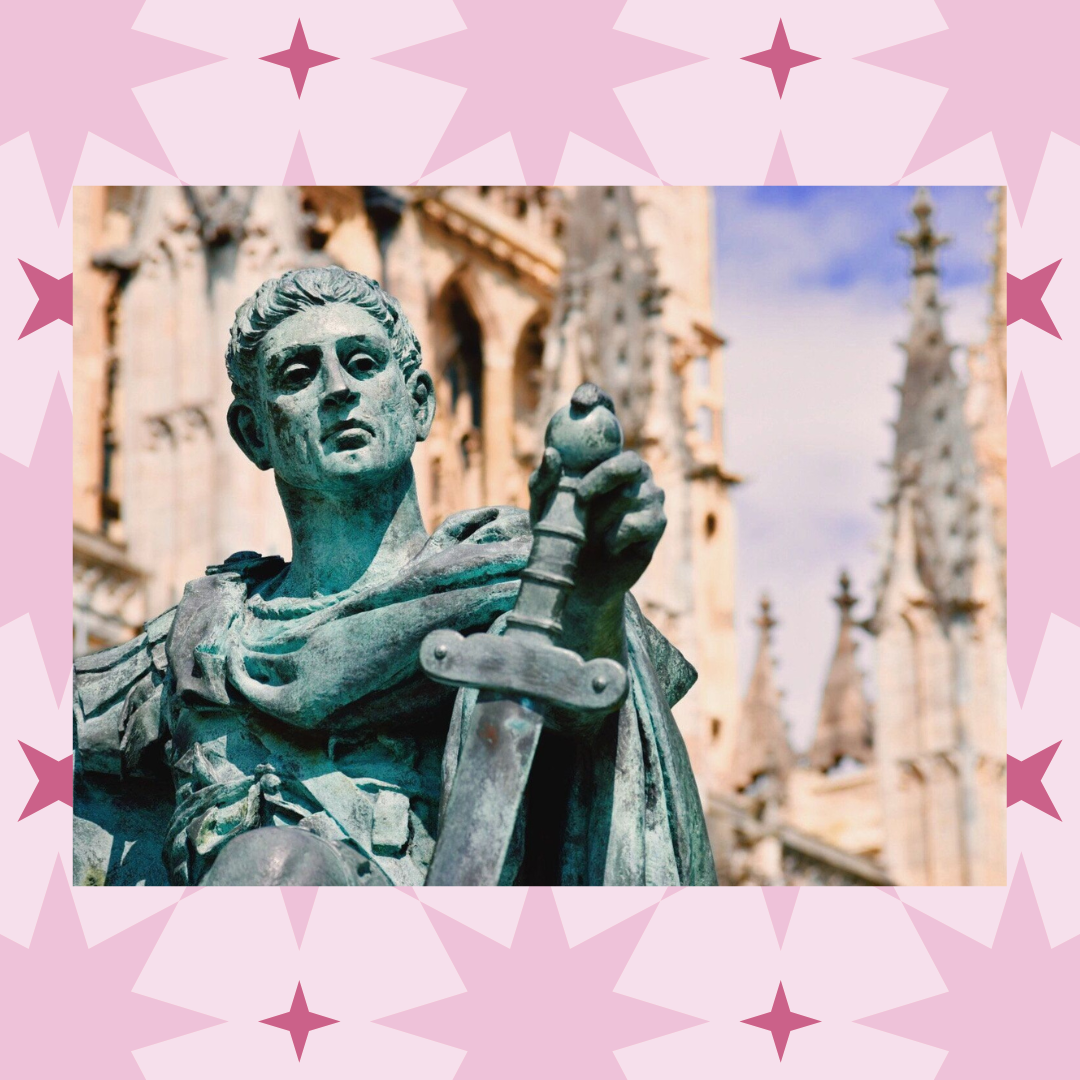
Emperor Constantine Statue
However, Christianity, began to elevate the status and roles of women, allowing them greater spiritual and social influence as the religion spread across the Roman Empire. And with the early 4th century being marked by the rise of Christianity within a previously pagan empire, Helena played a crucial role in this religious shift and the power women could play.
You see, after Constantine's rise to power, Helena was bestowed with the title of Augusta and given significant influence within the empire. The title of Augusta was a prestigious honor bestowed upon women in the Roman Empire, signifying a status of great respect and power. When Helena, the mother of Constantine the Great, was granted the title of Augusta, it marked her as one of the most influential women in the empire. The title was typically reserved for empresses or women of the imperial family, symbolizing their authority and divine favor.
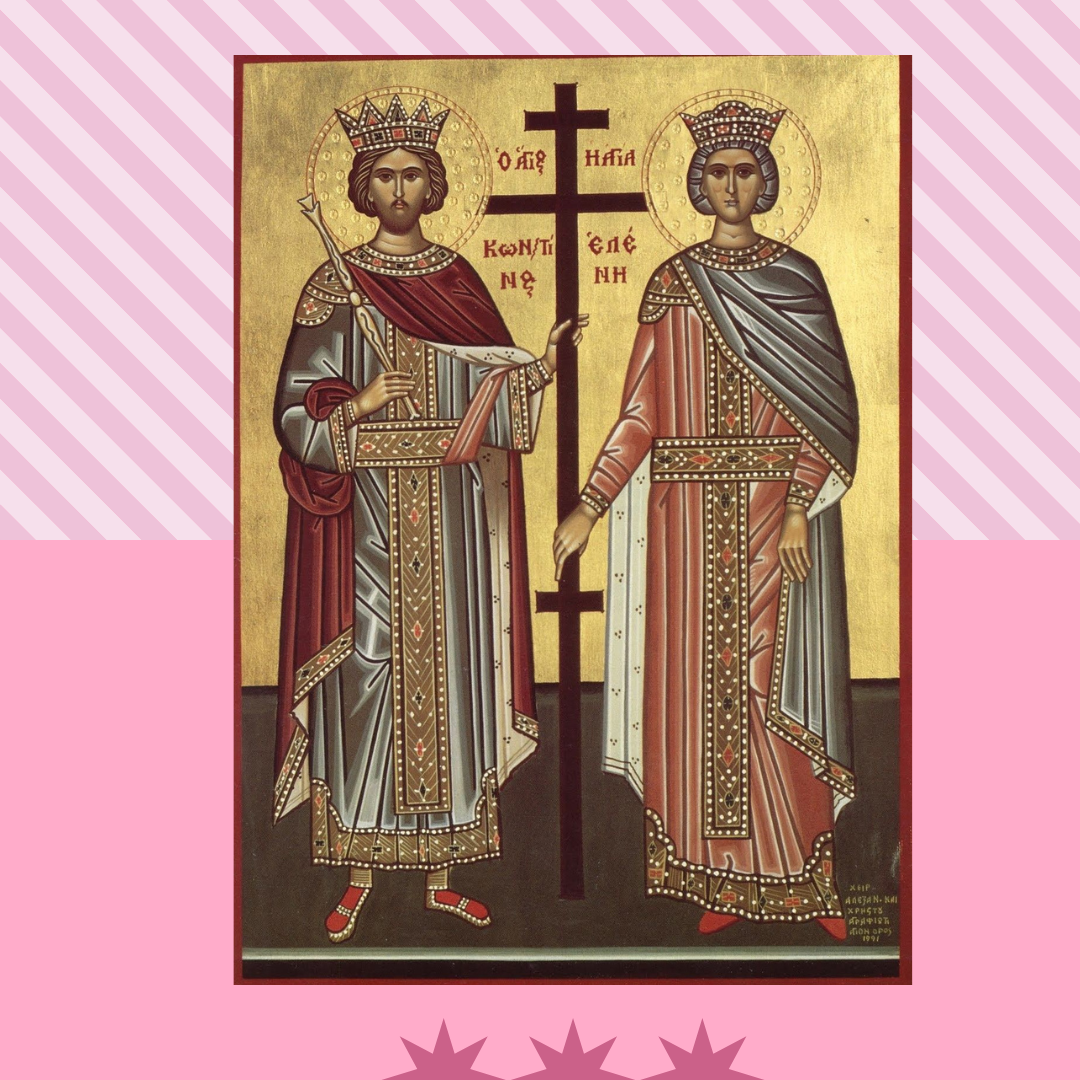
Constantine and his Mother Helena
As Augusta, Helena was not merely a figurehead but wielded considerable influence in both political and religious matters. Her elevation to Augusta gave her the ability to mint coins in her image, participate in imperial decisions, and support charitable works.
Most notably, Helena used her position to champion Christianity, overseeing the construction of churches and embarking on a pilgrimage to the Holy Land, where she was credited with finding the True Cross. Her title of Augusta thus represented both her elevated status in the Roman hierarchy and her pivotal role in the early Christian Church, solidifying her legacy as a powerful and pious figure in history.
Looking at her most famous journey was her pilgrimage to the Holy Land around 326 AD, where she sought out the sacred sites of Christianity. This pilgrimage led to the discovery of the True Cross, the cross upon which Jesus was crucified, an event that cemented her legacy in Christian history. This is because people would continue to visit and make pilgrimages to these relics for hundreds of years.
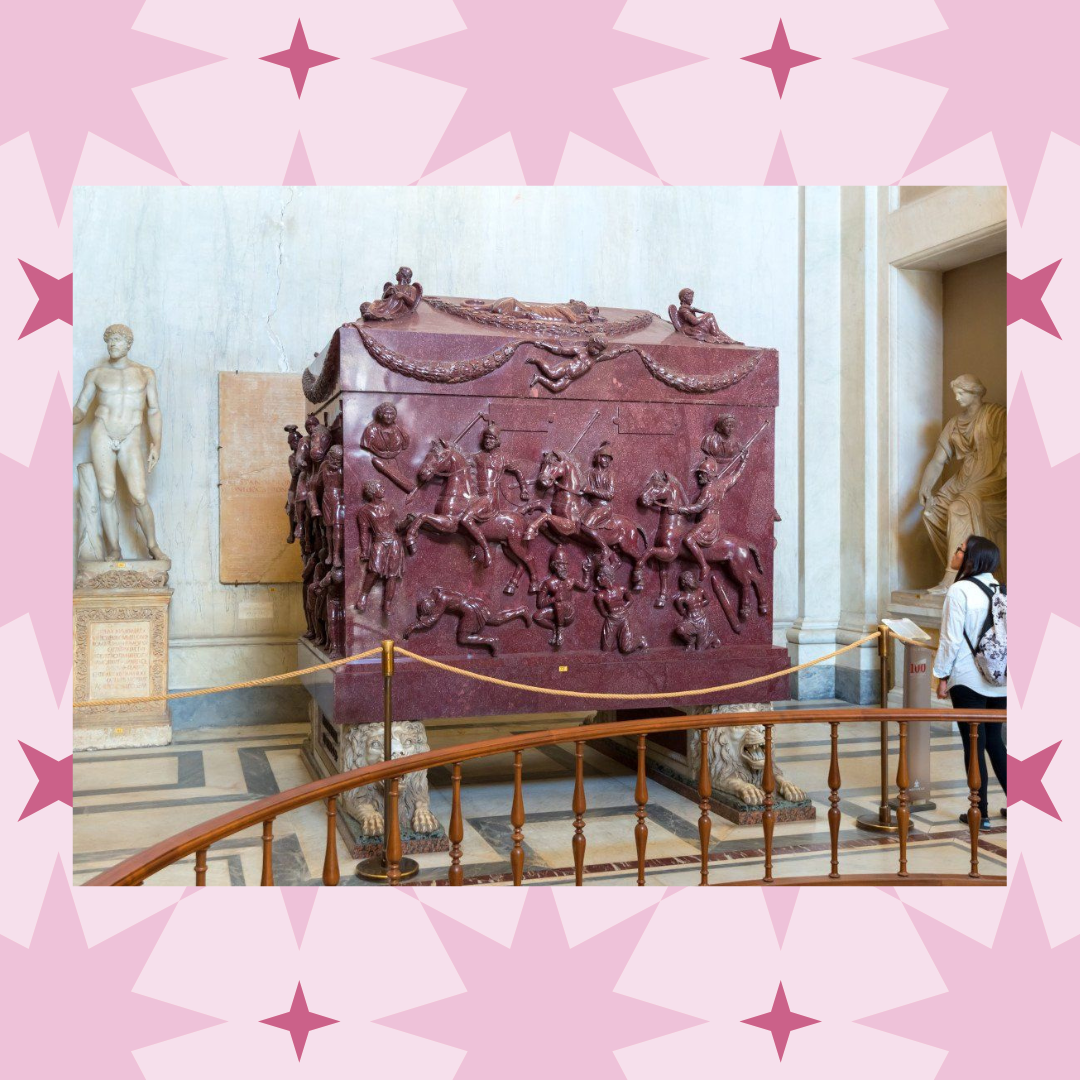
Helena's Esophagus in Rome
Helena died at 80, c. 328 CE (some sources suggest 329 and even 330 CE). During her life and after she was associated with many monuments in Rome, Bethlehem, and Jerusalem. Constantine also allowed her to be depicted on many coins; not always a honor bestowed on women during this time.
Upon her death, she was buried in the newly built basilica on Via Labicana in Rome, and her sarcophagus resides in the Museo Pio-Clementino in the Vatican to this day.
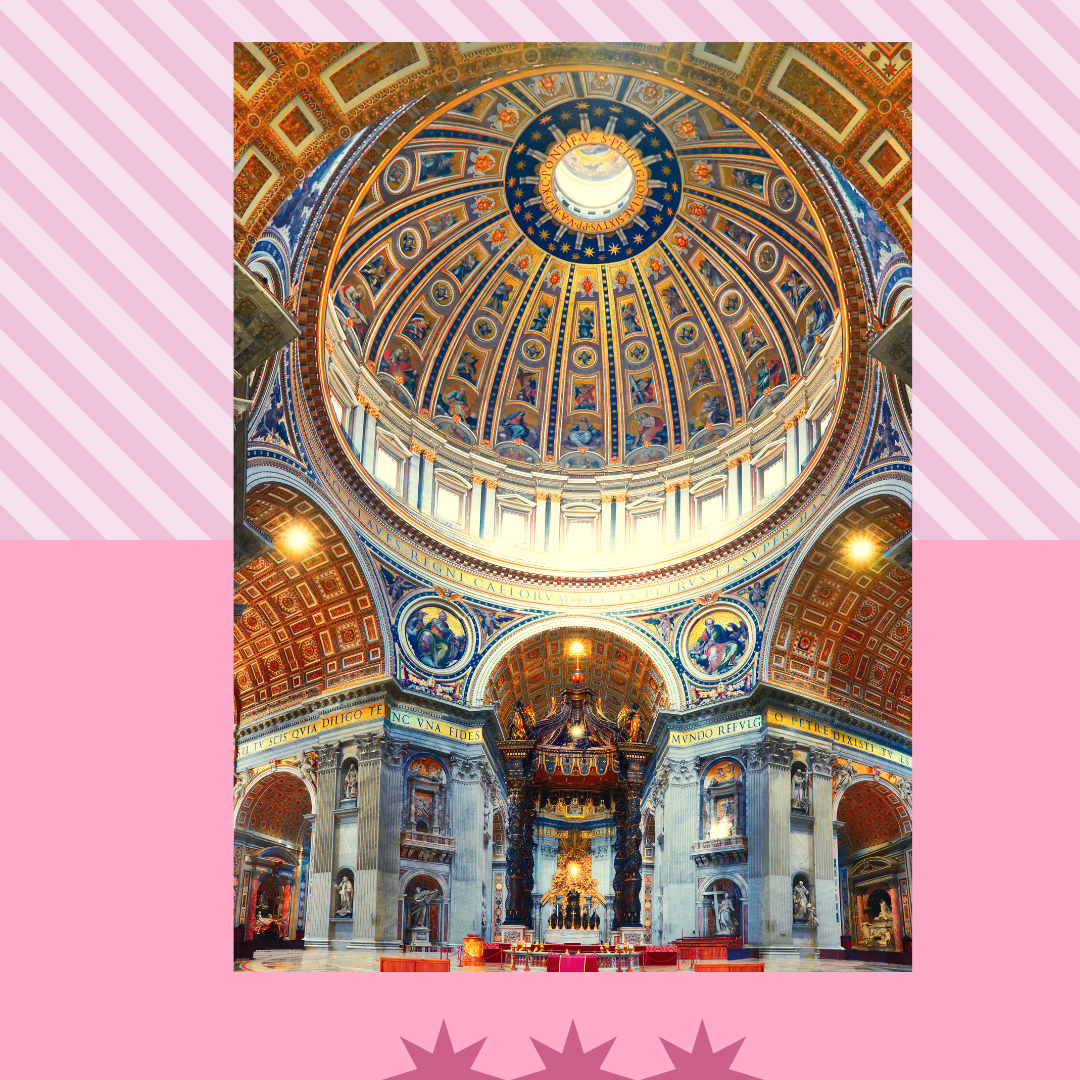
One of the Roman Cathedrals Honoring Her
I t wasn’t until later on, she became a saint for being an example of faith and a model of a woman who brought stability and continuity to the realm. Helena is venerated as a Catholic saint and a saint by the Eastern Orthodox, Oriental Orthodox, and both the Eastern and Roman Catholic Churches. Her memory also serves as a great significance in the Anglican Communion and Lutheran Churches.
Her alleged skull is displayed in the Cathedral of Trier, Gvenerated as a Catholic saint. There are relics also at the basilica of Santa Maria in Ara Coeli in Rome, the Église Saint-Leu-Saint-Gilles in Paris, and at the Abbaye Saint-Pierre d'Hautvillers.
She has venerated as the patron of archaeologists, converts, difficult marriages, divorced people, and empresses. There is a belief that her skull is allegedly housed at Cathedral of Trier, Germany where countless people over hundreds of years have come to commemorate her legacy
Saint Helena: A Model of Intentionality
As usual, each week I choose a woman I believe exhibits a It Girl Value. Within Sundays, I also combine this with a Christian It Girl would exhibit. So, for this week, I believe Saint Helena's life exemplifies intentionality, a focused and purposeful approach to faith and action.
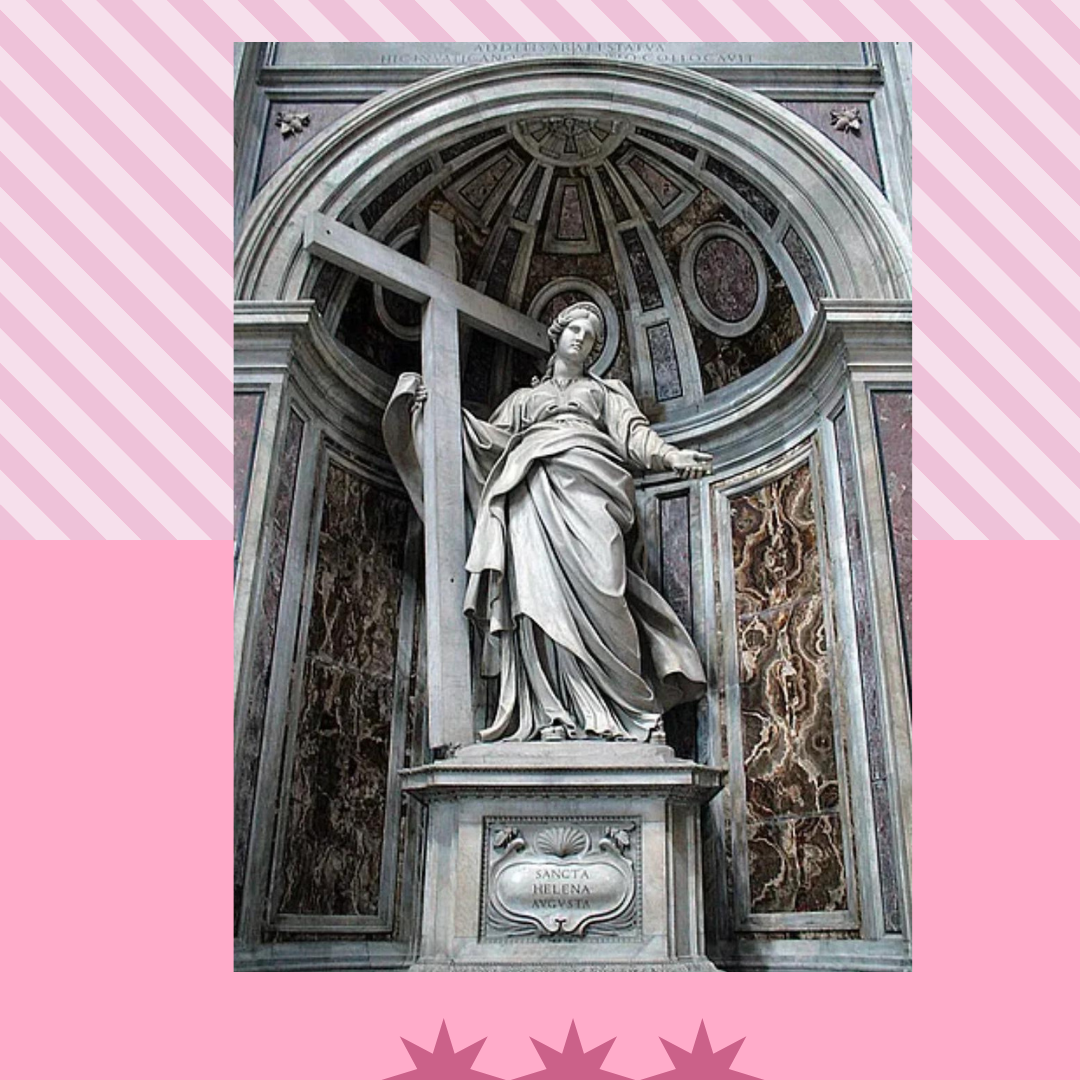
You see for me Intentionality is a core value for a "Christian It Girl" because it embodies the conscious and deliberate effort to live out one's faith in every aspect of life.
Being intentional means making thoughtful decisions that reflect one's beliefs and values, rather than being swayed by external pressures or fleeting trends.
For a Christian It Girl, this could manifest in how she spends her time, the relationships she cultivates, the career she pursues, or the way she serves others.
Intentionality is about aligning actions with purpose, ensuring that every step taken is a step closer to fulfilling God's plan. It's about living with a sense of direction, rooted in prayer and guided by faith, ensuring that each choice contributes to a life of meaning and impact.
Here are a few key examples of how Helena lived with intentionality:
1. Her Conversion and Influence on Constantine
Helena's conversion to Christianity profoundly impacted her son, Constantine. Her steadfast faith and commitment to Christian values supported Constantine’s decision to embrace Christianity, leading to the Edict of Milan in 313 AD, which granted religious tolerance throughout the empire.
Though it’s debated who became a Christian first, Helena’s conversion showed her dedication to her son’s new way of ruling. She made an intentional display to show that she too was committed to the faith and was going to go out and lead others towards this new life.
Helena’s intentional nurturing of her faith not only shaped her personal life but also had far-reaching effects on the Roman Empire and the spread of Christianity. Many individuals were influenced by her decision and dedication to the new faith. Her conversion also set the example for countless women who were also seeking a new identity in this new and growing faith.
2. Pilgrimage to the Holy Land
In her late 70s, Helena undertook a pilgrimage to the Holy Land with a clear and determined purpose: to uncover and honor the sacred sites of Christianity. Her journey was marked by significant discoveries, including the finding of what is supposed to be the True Cross.
This act of devotion was not merely about physical travel; it was an intentional spiritual quest to connect with the roots of her faith and to preserve these sites for future generations. She was intentional about learning and understanding her new faith. .
Her efforts led to the construction of churches at important locations, such as the Church of the Holy Sepulchre in Jerusalem.
3. Building Churches and Charitable Works
Helena’s intentionality was evident in her philanthropic efforts. She financed the construction of several churches, including the Church of the Nativity in Bethlehem and the Church of the Ascension on the Mount of Olives.
Her dedication to these projects was driven by a desire to provide places of worship and pilgrimage for Christians, ensuring that the sacred stories of the faith were accessible to all. Additionally, she was known for her charitable works, providing for the poor and supporting Christian communities throughout the empire.
Saint Helena's life is a powerful example of how intentionality can shape one's faith journey and leave a lasting impact on the world. Her deliberate actions, from influencing her son's faith to her tireless efforts in the Holy Land, demonstrate the profound effects of living with purpose and conviction.
As we reflect on Saint Helena’s legacy, let us be inspired to live with the same level of intentionality in our own lives. Whether in our spiritual practices, our relationships, or our pursuits, may we approach each day with a clear and purposeful heart, just as Saint Helena did.
Stay tuned for more inspiring stories in our "Christian It Girls" series, where we continue to explore the lives of remarkable women who have shaped the history of Christianity. And don’t forget to scroll all the way down to find journaling and reflection questions!
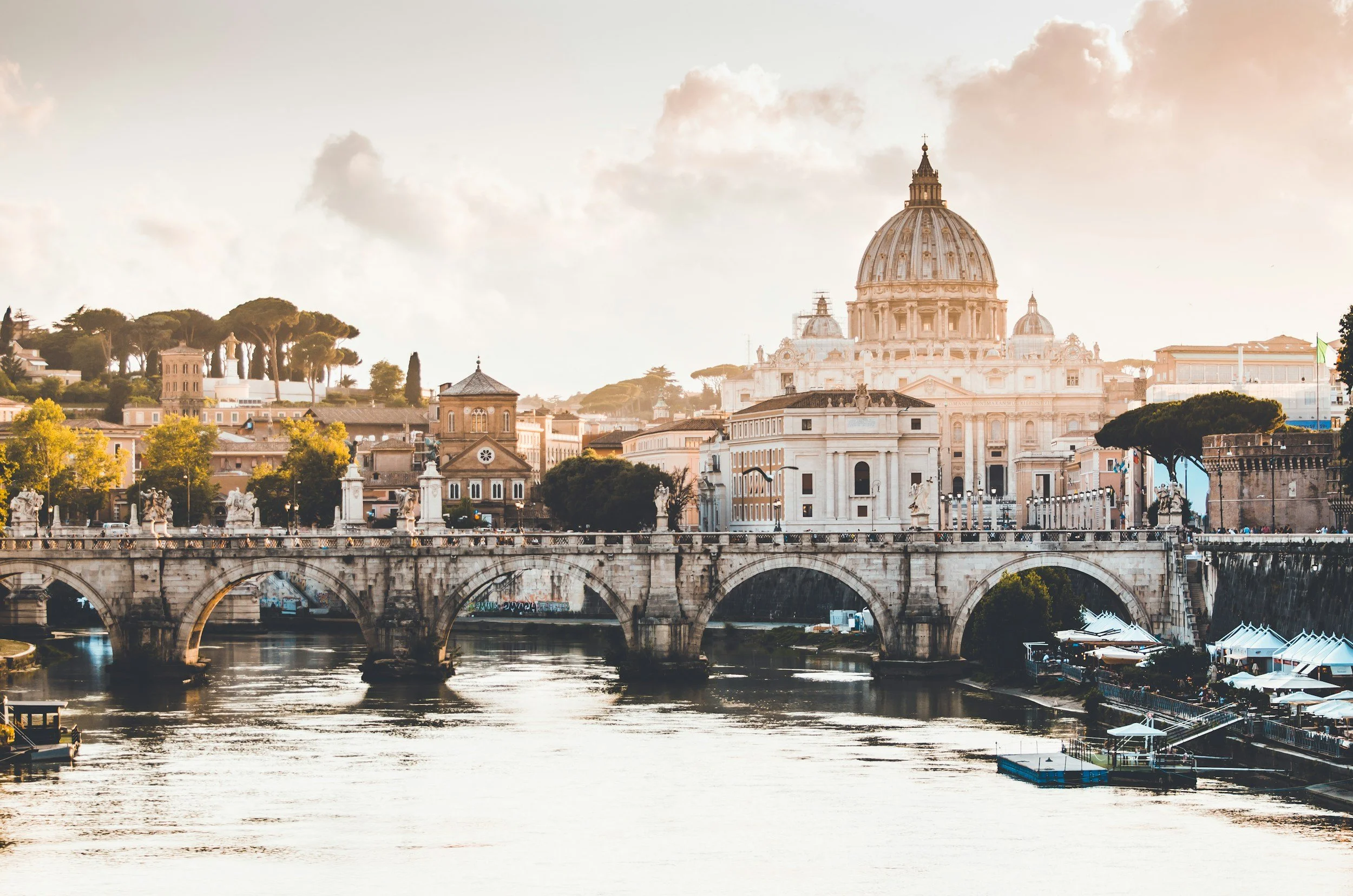
Want More Fun Facts?
Discoverer of the True Cross: Saint Helena is renowned for her pilgrimage to Jerusalem, where she is credited with finding the True Cross, the cross upon which Jesus was crucified. According to legend, she discovered three crosses at the site of Jesus' crucifixion and identified the True Cross through a miraculous healing.
Church Builder: During her pilgrimage, Helena ordered the construction of several important churches, including the Church of the Holy Sepulchre in Jerusalem, the Church of the Nativity in Bethlehem, and the Church of the Ascension on the Mount of Olives. These churches remain significant pilgrimage sites to this day.
Influence on Constantine: Helena’s strong Christian faith had a profound influence on her son, Constantine the Great. Her influence is believed to have played a significant role in Constantine’s conversion to Christianity and the subsequent Christianization of the Roman Empire.
Patroness of New Discoveries: Because of her association with the finding of the True Cross, Saint Helena is often invoked by those seeking new discoveries. She is considered a patroness of archaeologists and new explorers.
Bringer of Cats: One charming legend claims that Saint Helena brought cats back to Europe from Egypt. These cats were introduced to Cyprus to control the island’s snake population. As a result, Saint Nicholas Monastery in Cyprus is famously known for its large cat population.
Honored in the Holy Land: In addition to her legacy in the construction of churches, Helena is honored in the Holy Land for her dedication to preserving Christian sites. Many locations in Jerusalem and Bethlehem still celebrate her contributions to Christian heritage.
Canonization: Saint Helena was canonized due to her significant contributions to Christianity and her role in discovering the True Cross. Her feast day is celebrated on August 18 in the Western Church and May 21 in the Eastern Church.
Royal Titles: Helena was given the title of Augusta by her son, Constantine. This title bestowed upon her significant influence and power within the Roman Empire, allowing her to undertake her pilgrimage and building projects with imperial support.
Symbol of Faith and Perseverance: Helena’s story is often cited as a testament to the power of faith and perseverance. Her life’s work, particularly her pilgrimage and the discoveries she made, continues to inspire Christians around the world.
Relics of the True Cross: After her discovery of the True Cross, fragments were distributed as relics throughout the Christian world. These relics became highly venerated and are still considered sacred by many Christian denominations.
These fun facts highlight the extraordinary life and legacy of Saint Helena, making her an enduring figure of inspiration and faith.

Further Resources:
Books on Saint Helena
"Helena Augusta: The Mother of Constantine the Great and the Legend of Her Finding the True Cross" by Eusebius and translated by Andrew Louth
This book provides a detailed account of Saint Helena's life and achievements, based on historical sources and writings by early Church historians.
"Saint Helena and the True Cross" by Louis de Wohl
A historical novel that explores the life of Saint Helena and her quest to find the True Cross, offering a blend of historical facts and fictionalized elements.
"Helena: The Life of Helena Augusta, Mother of Constantine the Great" by Evelyn Waugh
A well-researched biography that delves into the life of Helena Augusta, her influence on Constantine, and her significant contributions to Christianity.
Academic Journals on Saint Helena
"Journal of Early Christian Studies"
This academic journal often features articles on early Christian figures, including Saint Helena, her role in the Christianization of the Roman Empire, and her historical significance.
"Vigiliae Christianae"
A scholarly journal that publishes research on early Christian history and literature, with occasional articles on Saint Helena and her impact on Christian archaeology and relics.
"Church History"
This journal covers a wide range of topics in church history, including the lives of saints like Helena and their contributions to the development of Christianity.
Movies on Saint Helena
"Constantine and the Cross" (1961)
A historical drama that depicts the life of Constantine the Great and features Saint Helena's role in his life and her discovery of the True Cross.
"The Robe" (1953)
While not specifically about Saint Helena, this classic film touches on early Christian history and the significance of the True Cross, which Helena is credited with finding.
"Restless Heart: The Confessions of Augustine" (2012)
This film primarily focuses on Saint Augustine but also highlights the influence of his mother, Saint Monica. It provides context on the Christianization of the Roman Empire during Helena's era.
Additional References
"Eusebius: The History of the Church" by Eusebius of Caesarea
A primary source that includes accounts of Constantine and his mother Helena, providing valuable historical insights.
"The Life of Constantine" by Eusebius of Caesarea
Another important work by Eusebius that details the life of Constantine and mentions Helena's significant contributions.

Journaling Questions:
What surprised you most about Saint Helena?
In what ways was Saint Helena intentional? Can you apply these techniques to your own life?
Where are you lacking in intentionality? How can Saint Helena’s story inspire you to be more intentional?
Who in your life do you look to for inspiration when trying to be intentional?
In what ways does understanding Saint Helena help you understand God’s want and hope for you to live out intentionality in your own life?
Feel free to comment or send your answers to me in an email. Also, if you’re not connected on instagram on on the facebook page feel free to join and follow and post your answers there!