Is The Odyssey History or Mythology?
"Sing to me of the man, Muse, the man of twists and turns..."
For nearly 3,000 years, The Odyssey has captivated readers with shipwrecks, monsters, goddesses, magic, and one man's desperate journey home. Today, thanks to the newest film adaptation, millions of people are asking the same question:
Did any of this actually happen?
The answer is more nuanced than a simple yes or no.
The Odyssey is a work of mythology and epic poetry-but that doesn't mean historians dismiss it. In fact, it is one of the most valuable windows we have into the beliefs, values, and traditions of the ancient Greek world.
A Story Before It Was a Book
One of the most fascinating aspects of The Odyssey is that it wasn't originally written down.
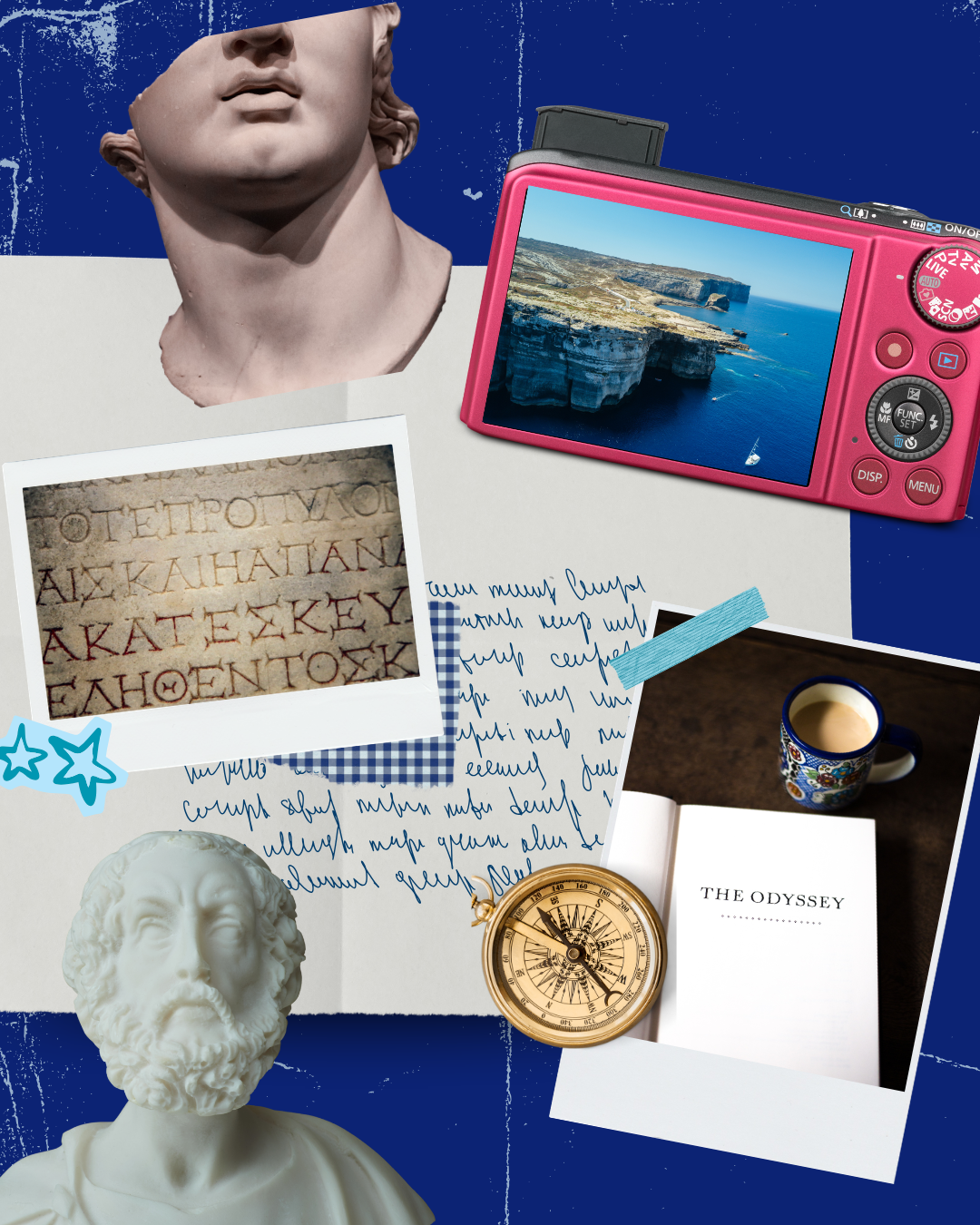
For centuries, stories of Odysseus, the Trojan War, and the Greek heroes were passed from generation to generation by traveling singers known as aoidoi. These poets memorized enormous epics and performed them aloud long before writing became common in Greece.
Around the eighth century BC, the poet we know as Homer is traditionally credited with compiling these oral traditions into the written works we now call The Iliad and The Odyssey.
Because these stories existed for generations before they were written, they changed over time. Details were added, altered, and refined with each retelling, much like folklore across the world today.
This means The Odyssey is not a historical account in the modern sense. It was never intended to be.
Instead, it preserves centuries of collective memory, cultural traditions, and religious beliefs.
Could Odysseus Have Been Real?
Historians cannot prove that Odysseus was a real person.
There are no contemporary documents recording his life, no inscriptions naming him, and no archaeological evidence directly linking him to the adventures described in the poem.
However, many scholars believe that some characters within Homer's epics may have been inspired by real Bronze Age leaders whose stories grew larger with each generation.
Similar to figures like King Arthur or Robin Hood.
Whether or not they existed exactly as legend describes, the stories built around them became larger than history itself.
The same may be true of Odysseus.
What About the Trojan War?
Here's where history becomes especially interesting.
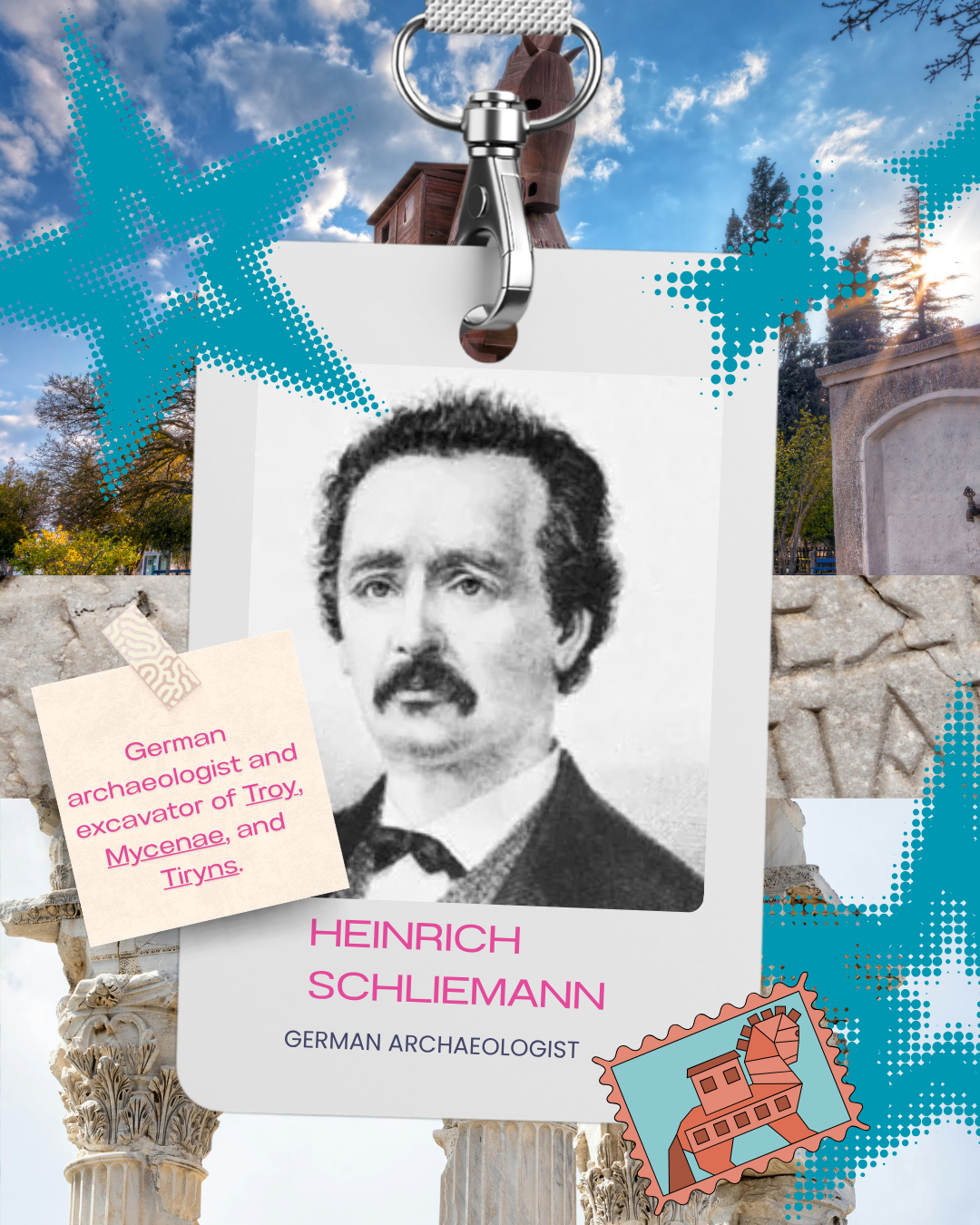
For centuries, scholars assumed the Trojan War itself was purely mythical. Then, in the nineteenth century, archaeologist Heinrich Schliemann excavated the site of ancient Troy in modern-day Turkey. Archaeologists have since confirmed that the city existed and experienced multiple destructions over thousands of years.
Today, many historians believe there may have been a conflict that inspired the Trojan War traditions.
Was it exactly as Homer described? Probably not.
Did a giant wooden horse secretly enter the city? Almost certainly not. But archaeology suggests there may indeed be a historical event behind the legend.
The Gods Were Real-to the Greeks
Modern audiences often separate mythology from religion. Ancient Greeks did not.
Athena, Zeus, Hera, Apollo, Artemis, Poseidon, Aphrodite, and the other Olympians were not fictional characters to the people who worshipped them. They were real divine beings who received prayers, sacrifices, temples, festivals, and public ceremonies.
When Athena appears beside Odysseus in The Odyssey, Greek audiences would not have viewed her as a fantasy character. They believed she genuinely guided heroes and protected cities. This distinction is important. The supernatural events of the epic reflect the religious worldview of ancient Greece, not simply imaginative storytelling.
What Can We Learn About Women?
Not surprising to anyone, one reason I love studying The Odyssey is because its women are far more complex than many people realize.
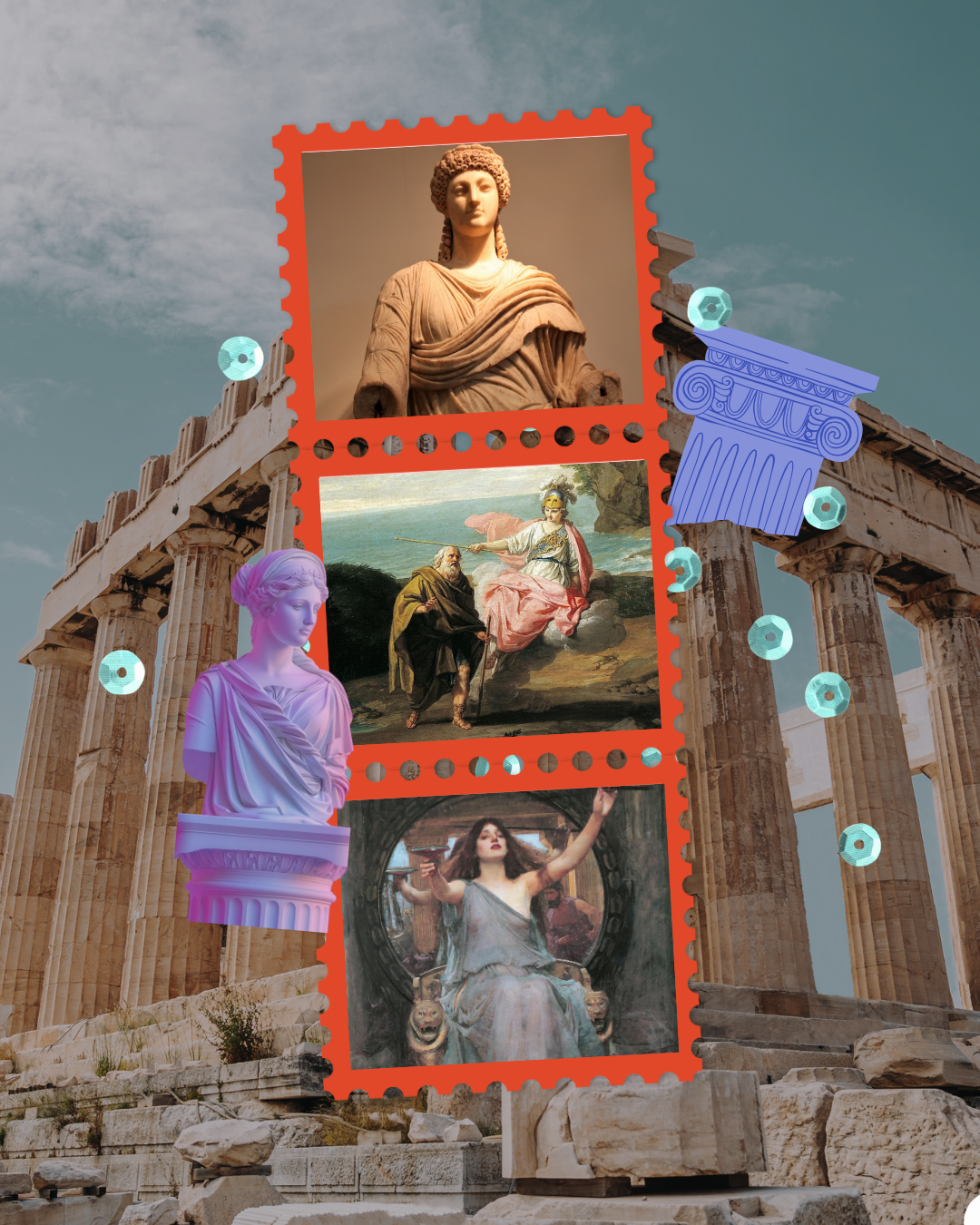
Penelope is remembered for her intelligence and political skill as much as her loyalty. Left to govern Ithaca while her husband is away for twenty years, she successfully delays remarriage by weaving and secretly unraveling a burial shroud each night-a brilliant act of strategy that buys valuable time.
Athena stands apart from many other deities as the goddess of wisdom, strategy, and just warfare. Throughout the epic, she repeatedly intervenes on behalf of Odysseus, embodying intellect over brute force.
Then there are Circe and Calypso.
Often remembered simply as enchantresses, these women also reveal Greek ideas about female power, independence, temptation, and the boundaries between civilization and the unknown.
While these women are mythical, they also reflect real cultural attitudes about gender, authority, family, and social expectations in ancient Greece. {More on these two in an article to come}.
Mythology as a Historical Source
Historians do not read The Odyssey looking for literal facts. Instead, they ask different questions.
What did this story teach Greek audiences?
What virtues did they admire?
How did they understand kingship, hospitality, marriage, warfare, religion, and honor?
What fears appear throughout the narrative?
What roles were women expected to play?
In other words, mythology helps us understand people, even when it doesn't always describe historical events. { I encourage you to ask yourself and answer these questions for yourself. Whether reading the book or seeing the movie.}
So...Is The Odyssey History or Mythology?
The simplest answer is:
It is mythology that preserves history.
Its monsters almost certainly never existed.
Its gods belong to religious belief rather than historical documentation.
Its hero may be legendary rather than historical.
Yet within the poem are genuine memories of Bronze Age Greece, reflections of ancient religion, evidence of oral storytelling traditions, and invaluable insights into one of history's most influential civilizations.
That is why historians continue to study The Odyssey today.
Not because every event happened exactly as written-but because every page tells us something about the people who believed these stories were worth telling.
Perhaps that's the greatest lesson of all.
History isn't only found in official records and archaeological discoveries.
Sometimes, it survives in the stories civilizations chose never to forget.