Mary I Enters London & Takes No Prisoners (Literally)
Mary I’s Triumphant Entry into London (1553)
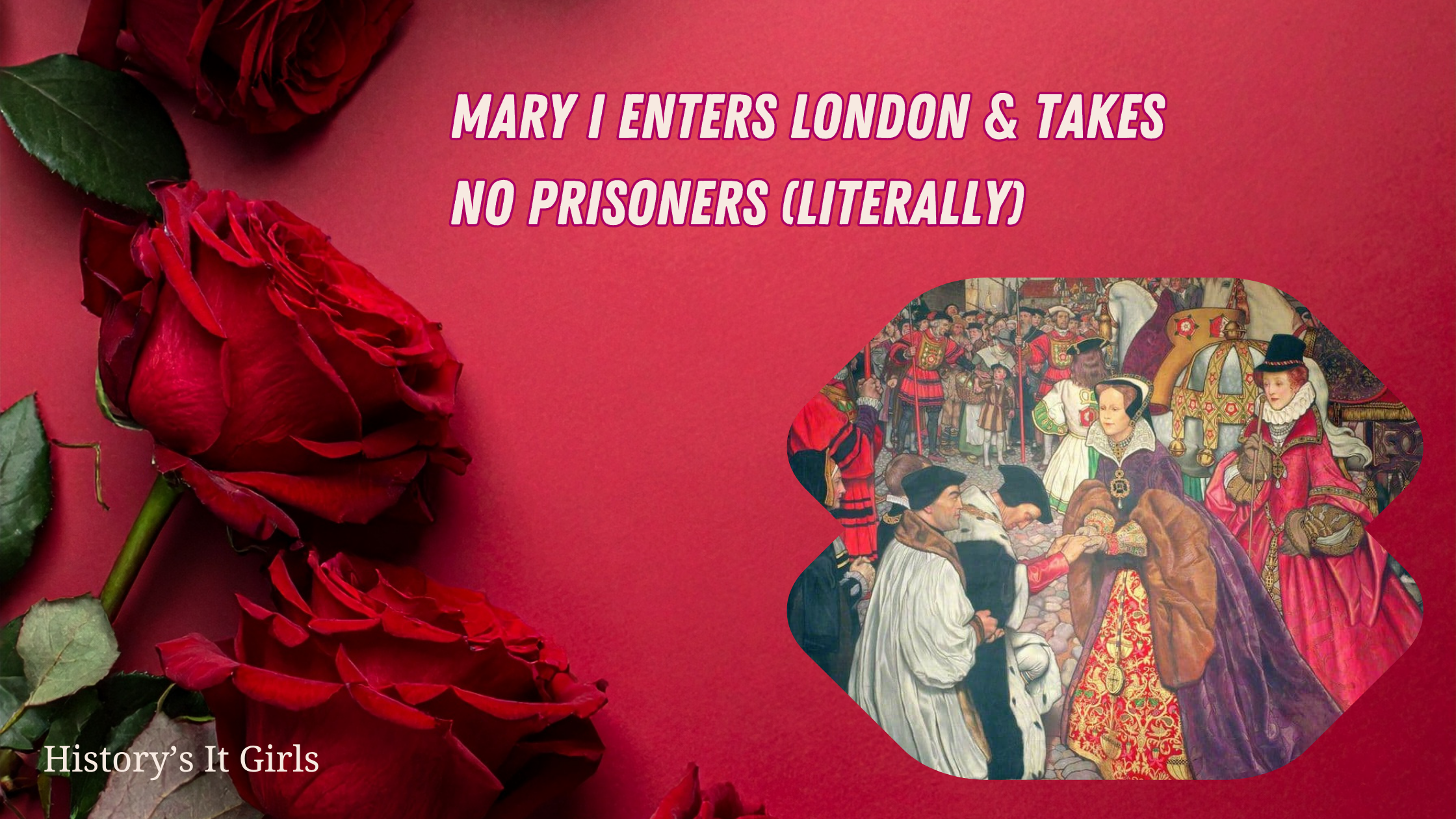
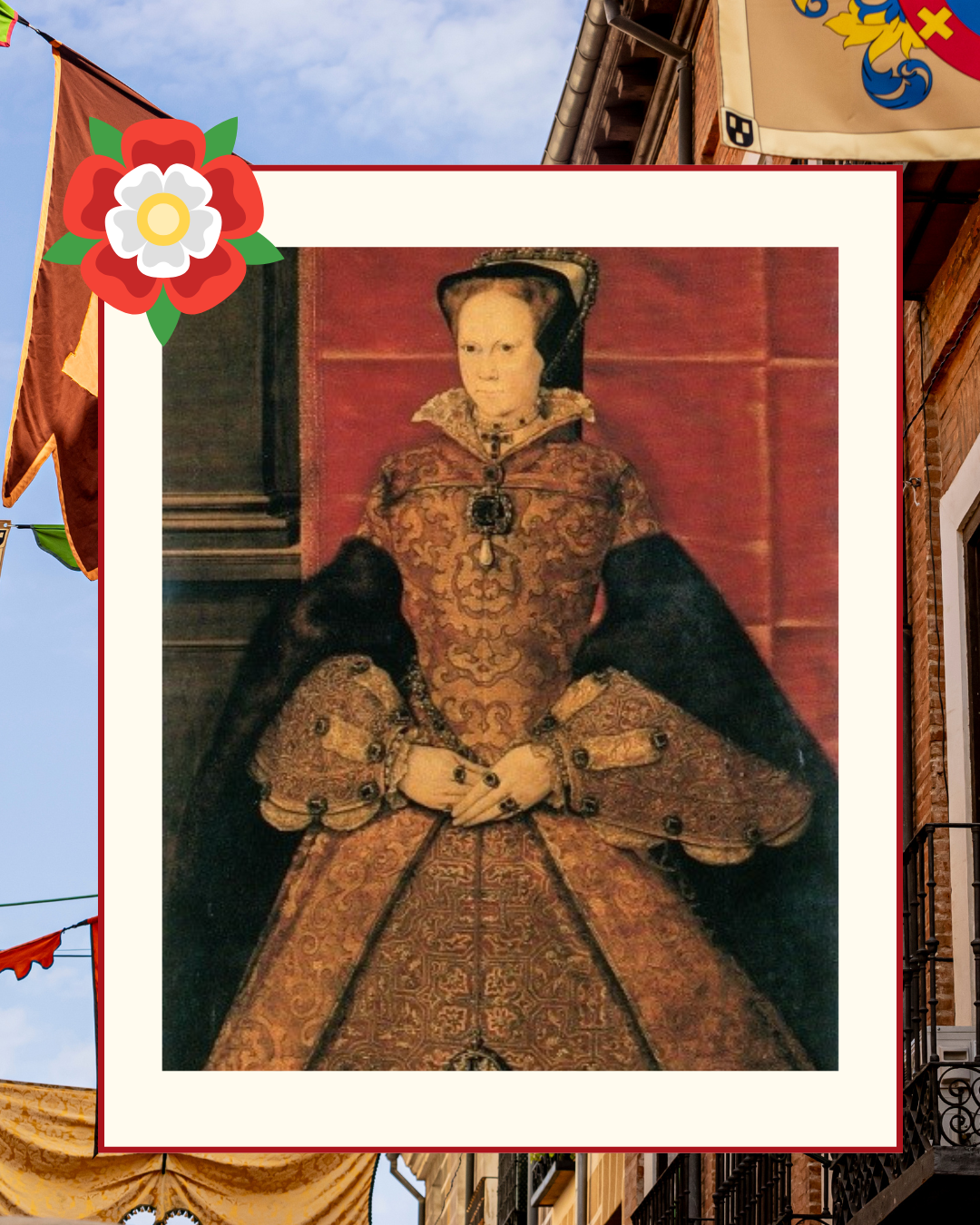
It was on this day in 1553 that Mary I, daughter of Catherine of Aragon, entered London as queen to begin her reign. After a swift and decisive victory over the attempt to place Lady Jane Grey on the throne, Mary became the first woman to successfully claim and be crowned ruling queen of England.
The last time a woman had attempted to take the English throne in her own right before Mary I was Empress Matilda in the 12th century, during the civil war known as The Anarchy. Matilda fought to claim the crown after the death of her father, Henry I, and even briefly gained control of England, but she was never crowned and ultimately failed to secure lasting rule for herself. Instead, it was her son, Henry II, who eventually inherited the throne after the death of King Stephen, marking the end of the conflict. In that sense, Matilda’s story reflected how deeply entrenched the idea of male kingship remained in medieval England.
Mary I’s successful entry into London and subsequent coronation in 1553 therefore represented something fundamentally new: a woman not acting as a placeholder for a future male ruler, but ruling in her own right as queen regnant. Her reign marked a turning point in English monarchy, proving—however contested—that sovereignty could be embodied by a woman on the throne itself, not merely transmitted through her children.
Mary’s journey to the throne had been anything but easy. As the daughter of King Henry VIII and Catherine of Aragon, her early life began with privilege and status, but this was shattered when her father sought to annul his marriage to Catherine in the 1530s. When the marriage was declared void, Mary was branded illegitimate and removed from the line of succession. She was no longer styled as princess, but instead as “the Lady Mary,” and her household was broken apart. At times, she was even forced into service within the household of her younger half-sister Elizabeth. Although occasional reconciliations were attempted by Henry’s later wives, Mary’s relationship with her father remained strained and deeply painful.
Her entry into London, therefore, was not just a political victory—it was a personal restoration. The city that greeted her stood in stark contrast to the subdued reception given to Lady Jane Grey only weeks earlier. Jane, now imprisoned in the Tower of London, would have been able to hear the celebrations marking Mary’s arrival. The shift in power was immediate and total: Mary was queen, and those who had supported Jane’s claim now faced consequences.
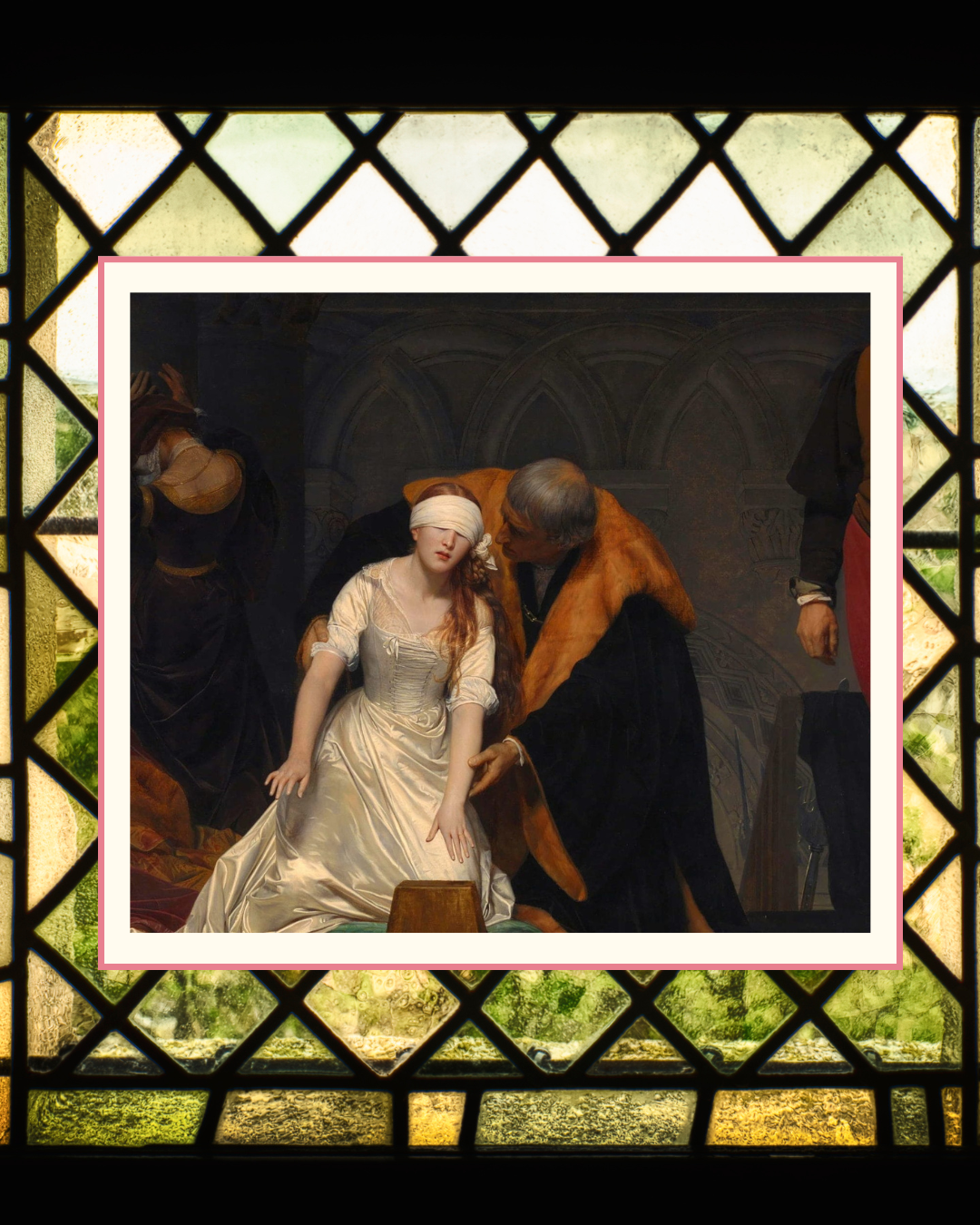
Among those consequences was the fate of the Duke of Northumberland, leader of the attempt to place Jane on the throne, who was swiftly executed. Jane herself was initially spared, imprisoned in the Tower and convicted of treason, though Mary is said to have hesitated to carry out the death sentence. At first, there appeared to be hope that Jane might be spared.
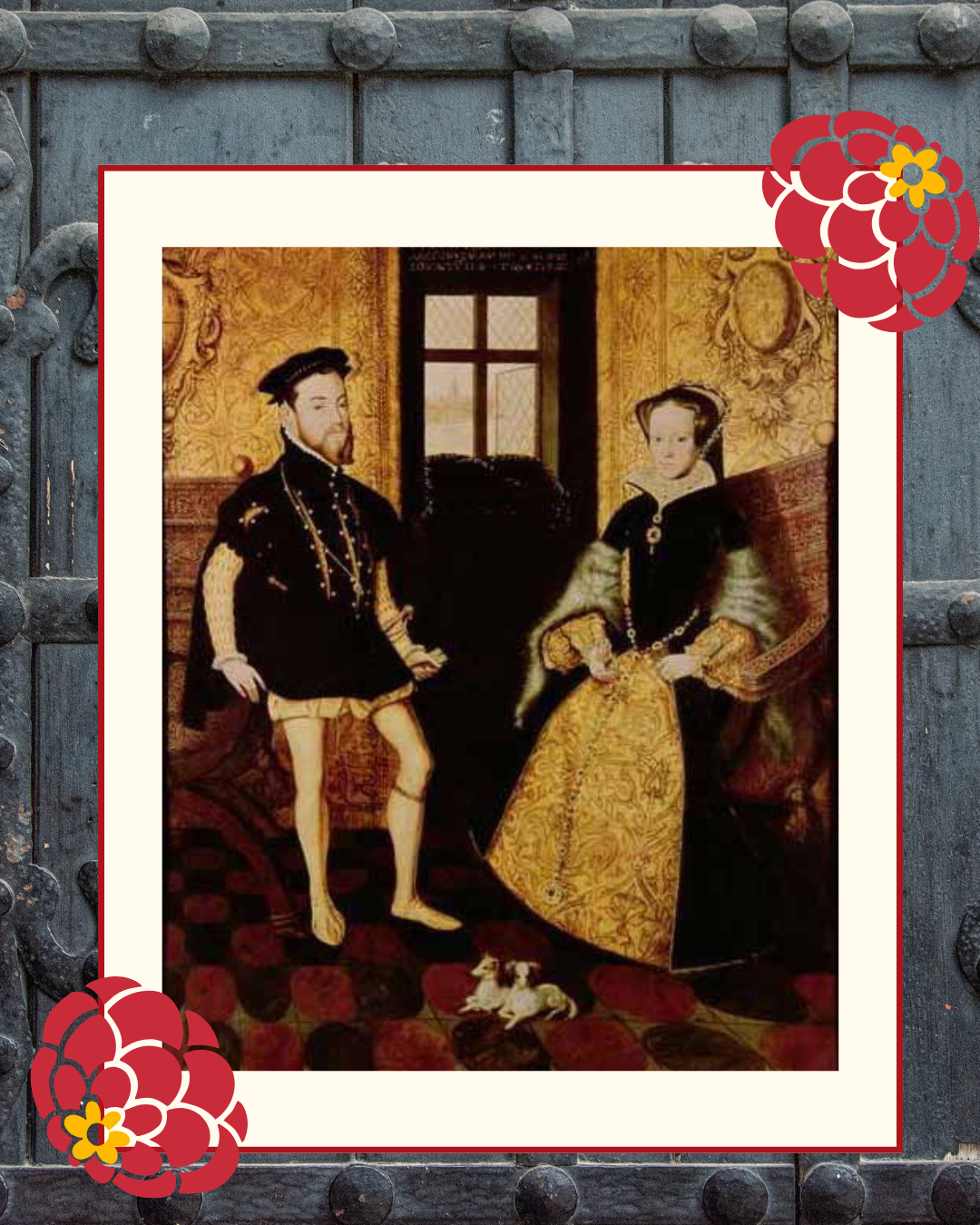
However, Mary’s early reign quickly became unstable. Her proposed marriage to Philip of Spain provoked widespread unrest, as many feared England would fall under foreign influence. During this rebellion, Jane’s father became implicated, forcing Mary’s hand. Jane was condemned once more, despite Mary offering her a final chance to convert to Catholicism. Jane refused, remaining steadfast in her Protestant faith, and was executed as a martyr.
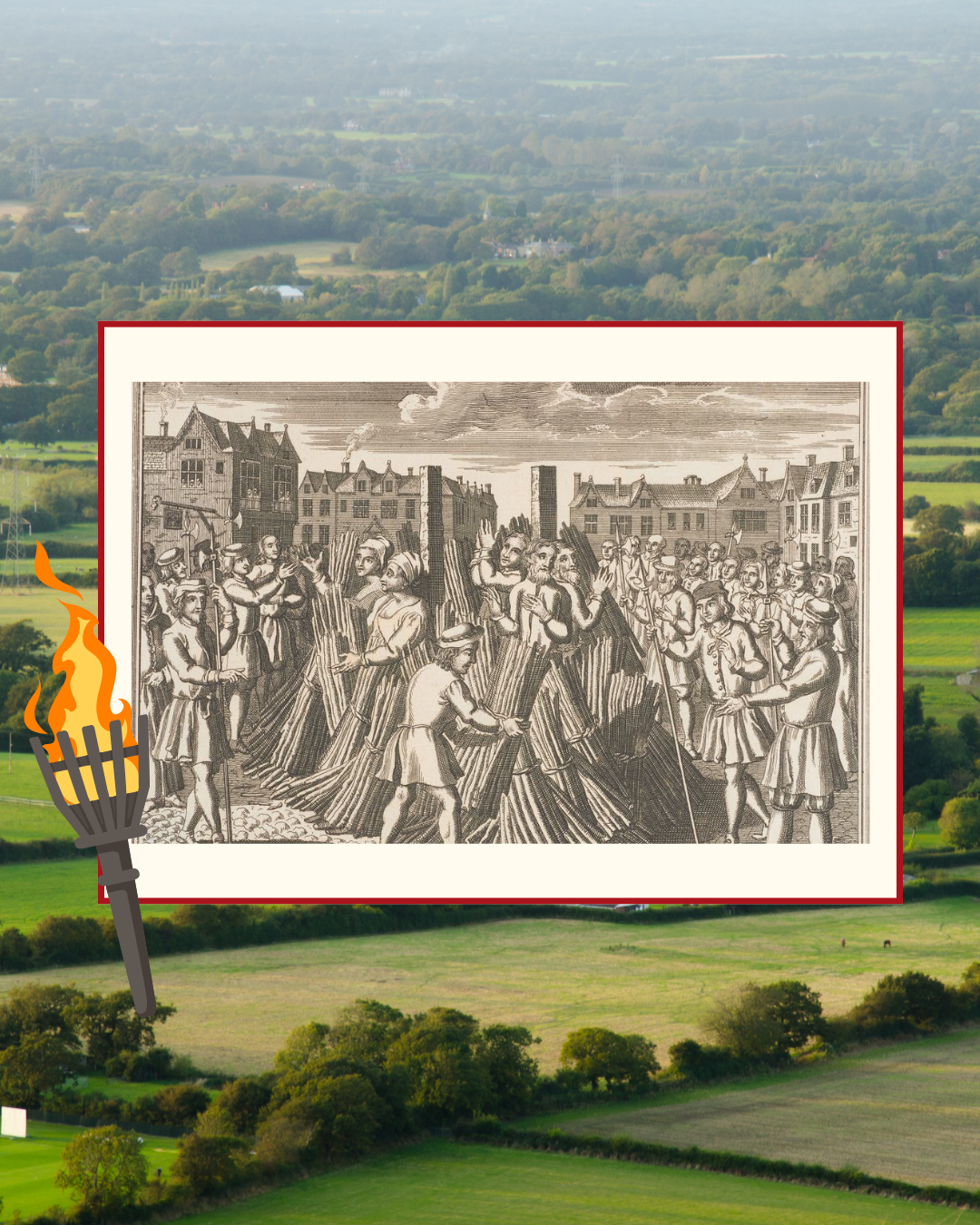
Mary’s marriage to Philip of Spain eventually went ahead, but it failed to produce the longed-for Catholic heir. Two reported phantom pregnancies only deepened personal tragedy and weakened her public standing. Meanwhile, her religious policies—designed to reverse the Protestant Reformation begun under her father—led to the persecution and execution of hundreds of Protestants. It was this period that earned her the enduring, controversial nickname “Bloody Mary,” although her reign’s execution count was lower than that of Henry VIII.
Mary died childless in 1558, and the crown passed to her half-sister Elizabeth I. Elizabeth’s long and influential reign would shape England in a very different direction, but it is likely she learned much from her sister’s experience—especially the dangers and difficulties of ruling as a female monarch in a divided kingdom.
Sources
The Oxford History of England: The Reign of Mary Tudor
Mary Tudor: England’s First Queen Regnant
Bloody Mary: The Life of Mary Tudor
Tudor: The Family Story
For information on Matilda look to Helen Castors She Wolves